
AI Music vs Sampling: Where Does Influence Become Copying?
Mobb Deep and Daft Punk turned existing recordings into new music. AI training raises a different set of rights questions. Here is what the comparison proves—and what it cannot settle.

Important releases, creative work, rights decisions and industry shifts — explained clearly and linked to the original sources.
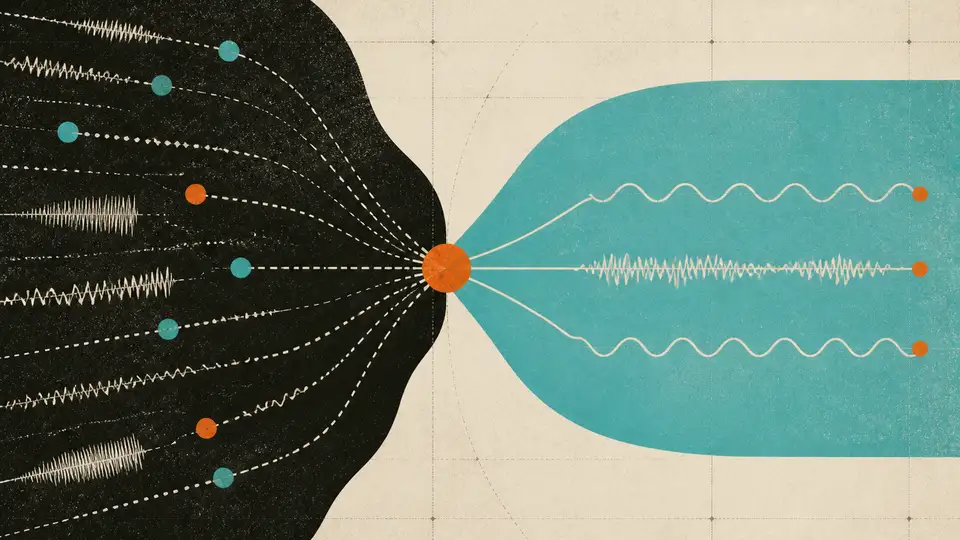
Mobb Deep and Daft Punk turned existing recordings into new music. AI training raises a different set of rights questions. Here is what the comparison proves—and what it cannot settle.
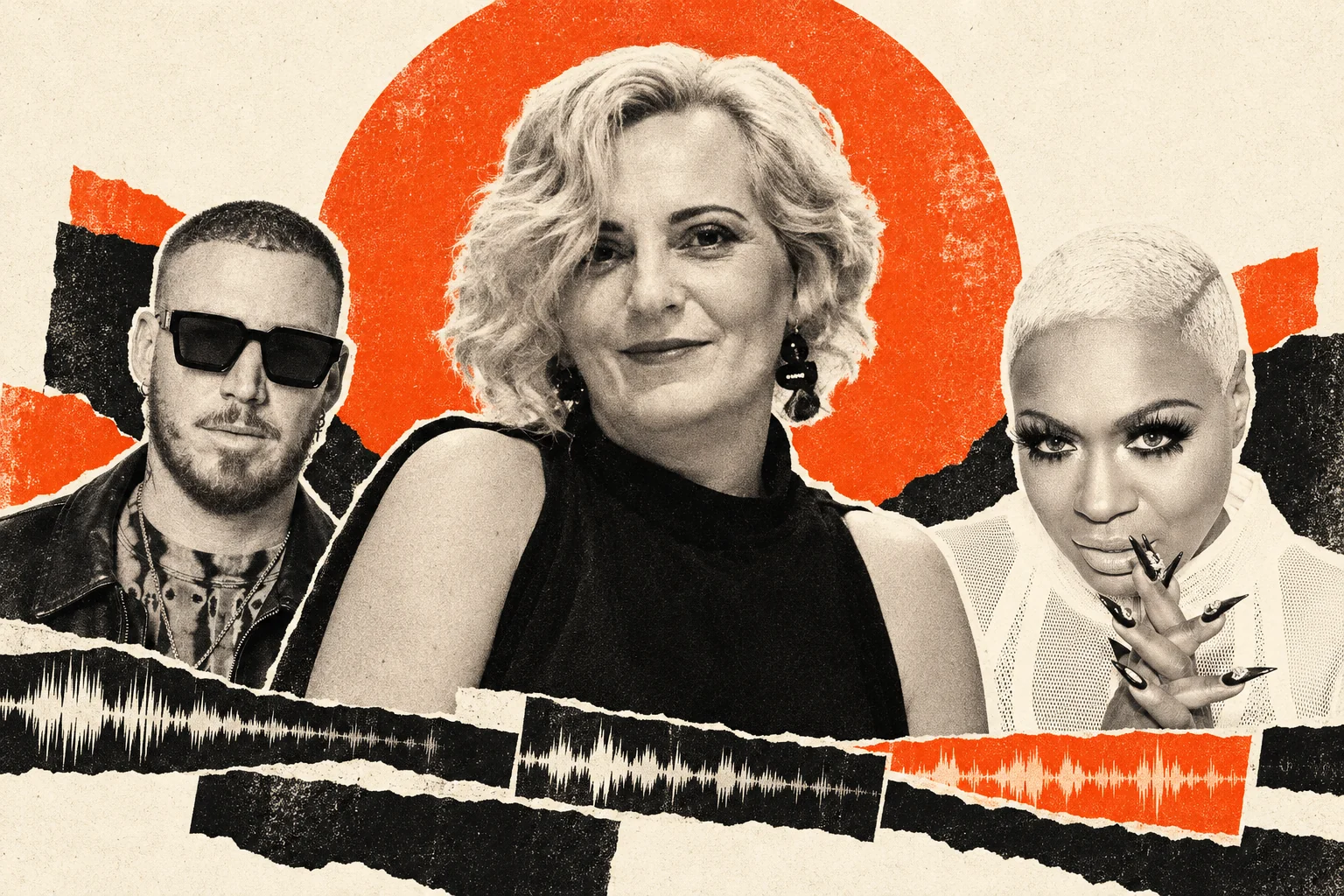
A Reiki practitioner’s Suno song became “Movin’ To The Sun.” HUGEL brought a producer’s ear, Ultra Naté brought her voice, and the record took on a life of its own.
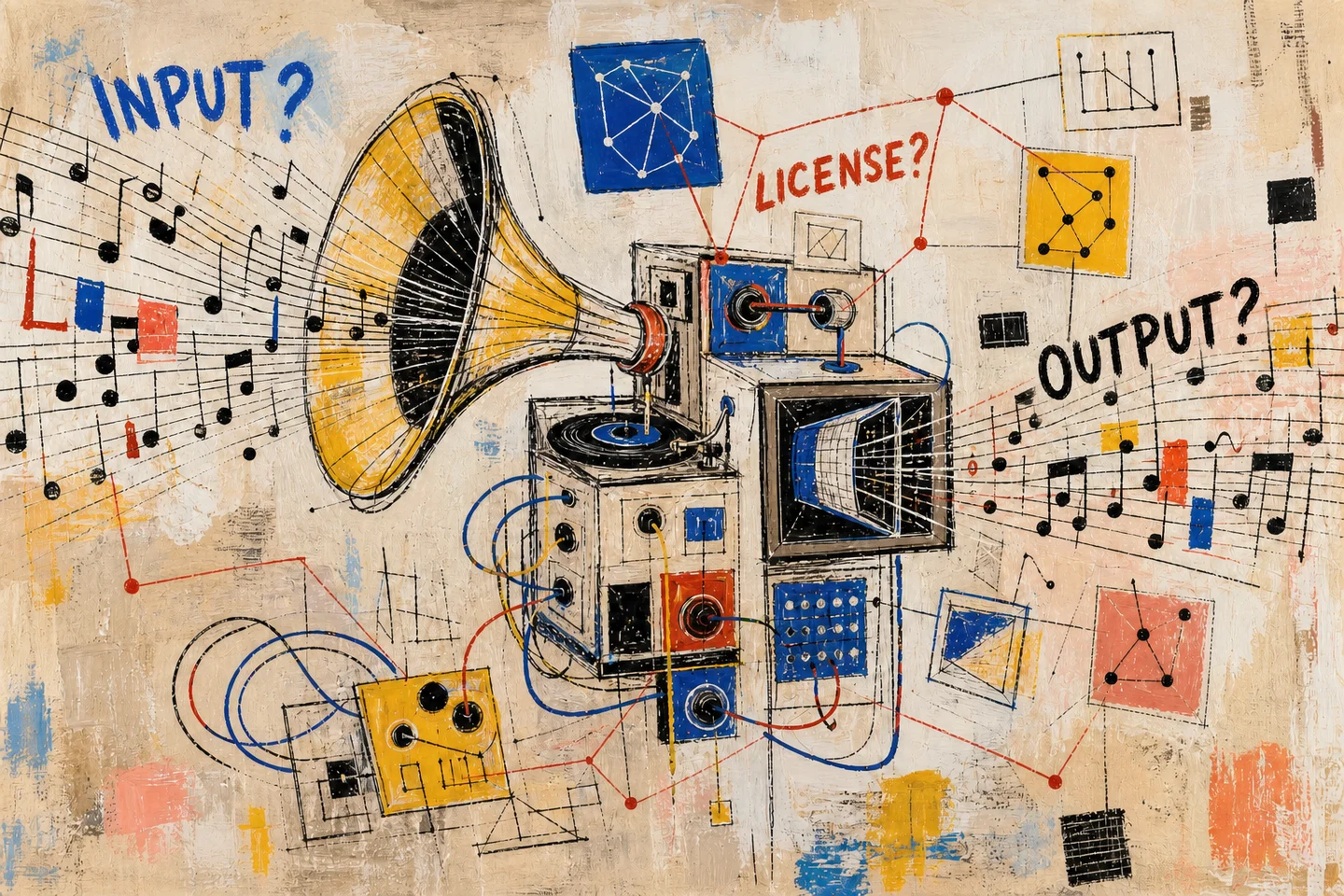
Thirty-five publishers accuse Anthropic and two founders of infringement across torrenting, scraping, training and model output. The complaint states no total damages figure.

A songwriter keeps AI away from the fun parts. An opt-in can reach the recording, voice and future work. Suno wants creation and listening to stay inside the same app.

Jag vet, du är inte min reached No. 1 on Spotify Sweden, but its fully synthetic voice produced a different answer under IFPI's chart rules.
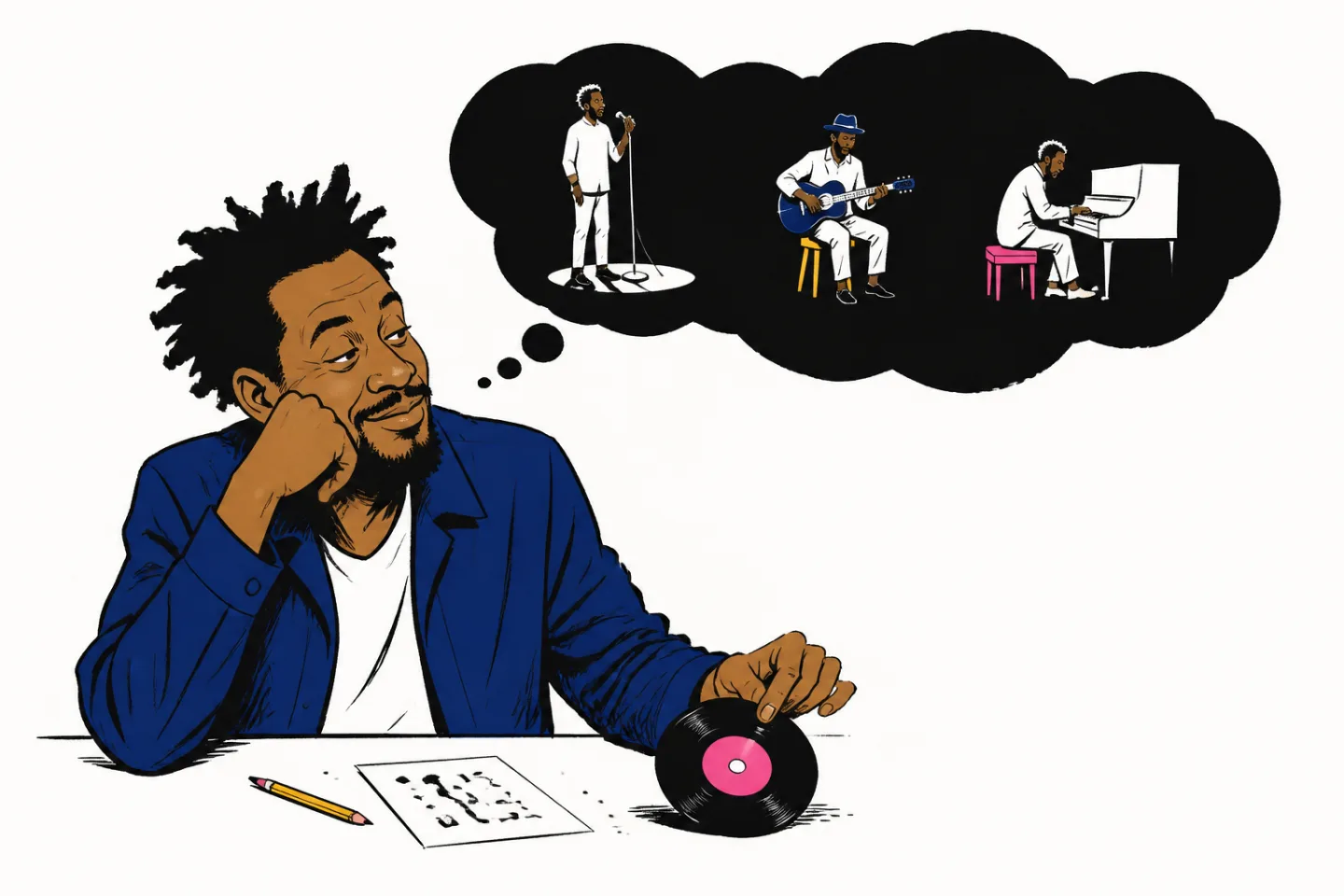
BBL Drizzy began with a comedian's premise and lyrics, then passed through more than 100 Udio versions and a human decision about which one carried the joke.

Where That Came From combined James Dupré's guide performance, two archive-trained Travis models, months of manual editing and the artist's own approval.

Xania Monet's songs begin as Telisha Jones's poems and lyrics, then pass through a generative production pipeline that creates the voice and music.

A Bilan collaboration, Sweden's Jacub hit and a Yesenin adaptation show why “AI song” no longer describes one creative process.
The UK-based association is building a member voice around platform access, labelling, education and recognition for people who make music with AI.
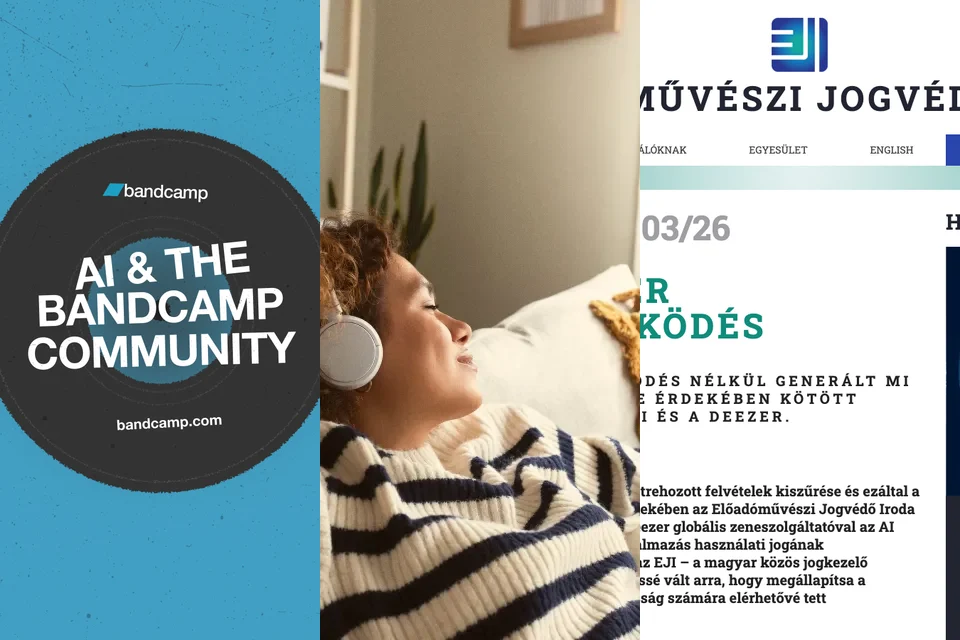
One service bans substantially generated music, another plans visible labels, and a performers' rights body is working with Deezer to filter recordings made without human contribution.
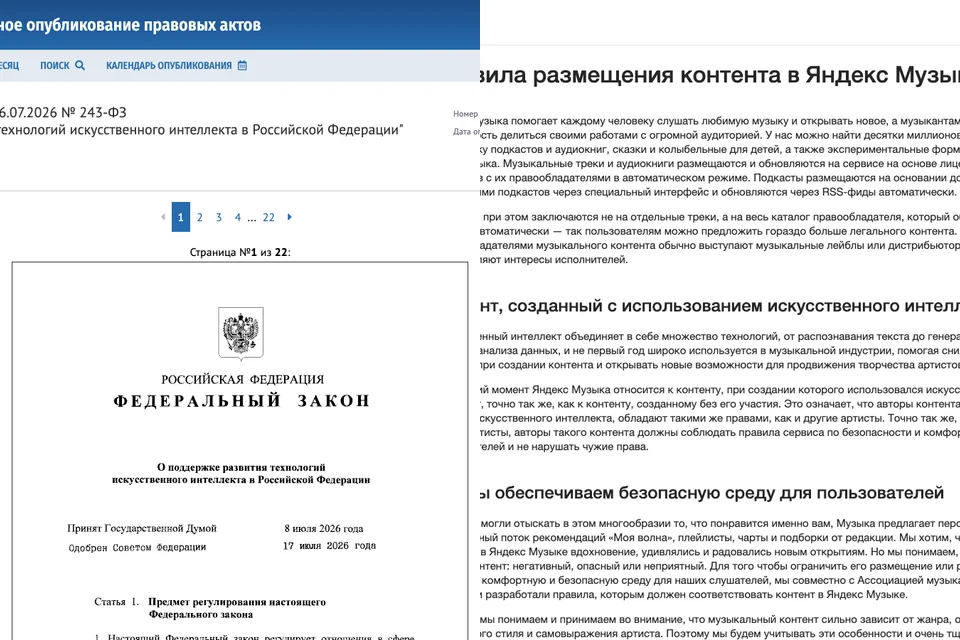
Federal Law 243-FZ creates a route for AI-content notices from March 2027, while Yandex Music, KION Music and Zvuk are making different product and policy choices.
Australia's official charts will still admit AI-assisted music when the song, lead vocal and primary instruments are substantially human-made.