
Products
The AI-music argument has moved from novelty to trust
A Guardian survey of the current conflict and Brian May’s failed Queen remake show why audiences are judging context, not only output quality.
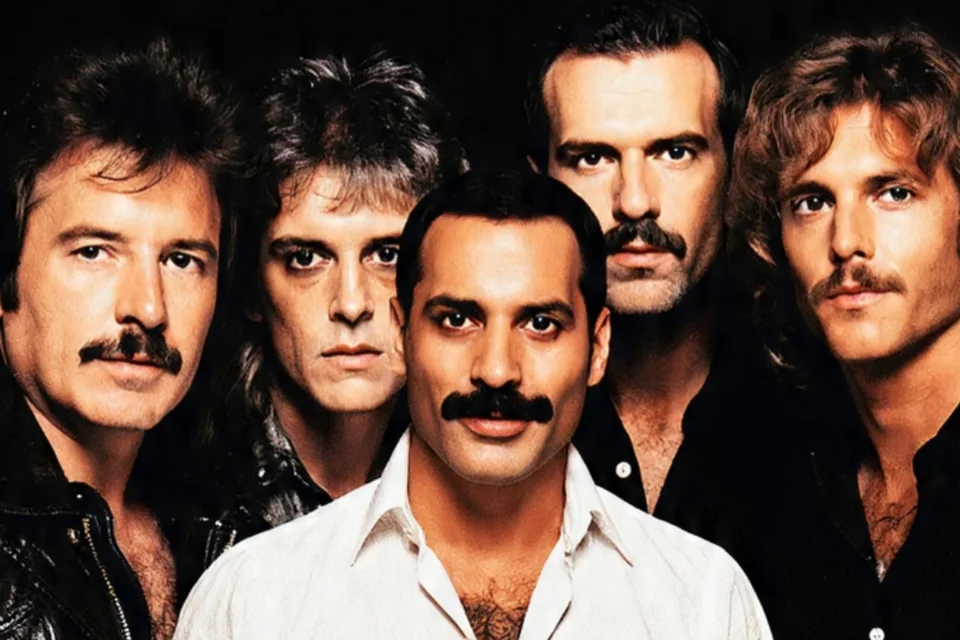
The Guardian’s August account of machine-made music connects several stories that are usually covered separately: synthetic acts reaching charts, artists disclosing AI after public pressure, labels proposing eligibility rules while licensing models, and listeners trying to decide what they are hearing.
On the same day, Brian May shared a smaller but revealing example. He asked Meta AI to recreate the cover of Queen’s The Game. The result changed faces, altered the group’s appearance and added a fifth member. The image was easy to laugh at, but May used it to question the confidence placed in systems that can reproduce the surface of a cultural object while losing its basic facts.
Quality is only one part of the reaction
The public argument is no longer simply whether an AI song can sound convincing. It is whether the release is honestly credited, whether the artist identity is real, whether a performance was replaced, whether training was authorized and whether a platform can correct a false claim.
That is why technically polished output can still produce hostility, while an openly framed experiment can be received as interesting. The decisive layer is increasingly the relationship between the work and its audience: what was promised, what was disclosed and whether the people involved can be trusted.