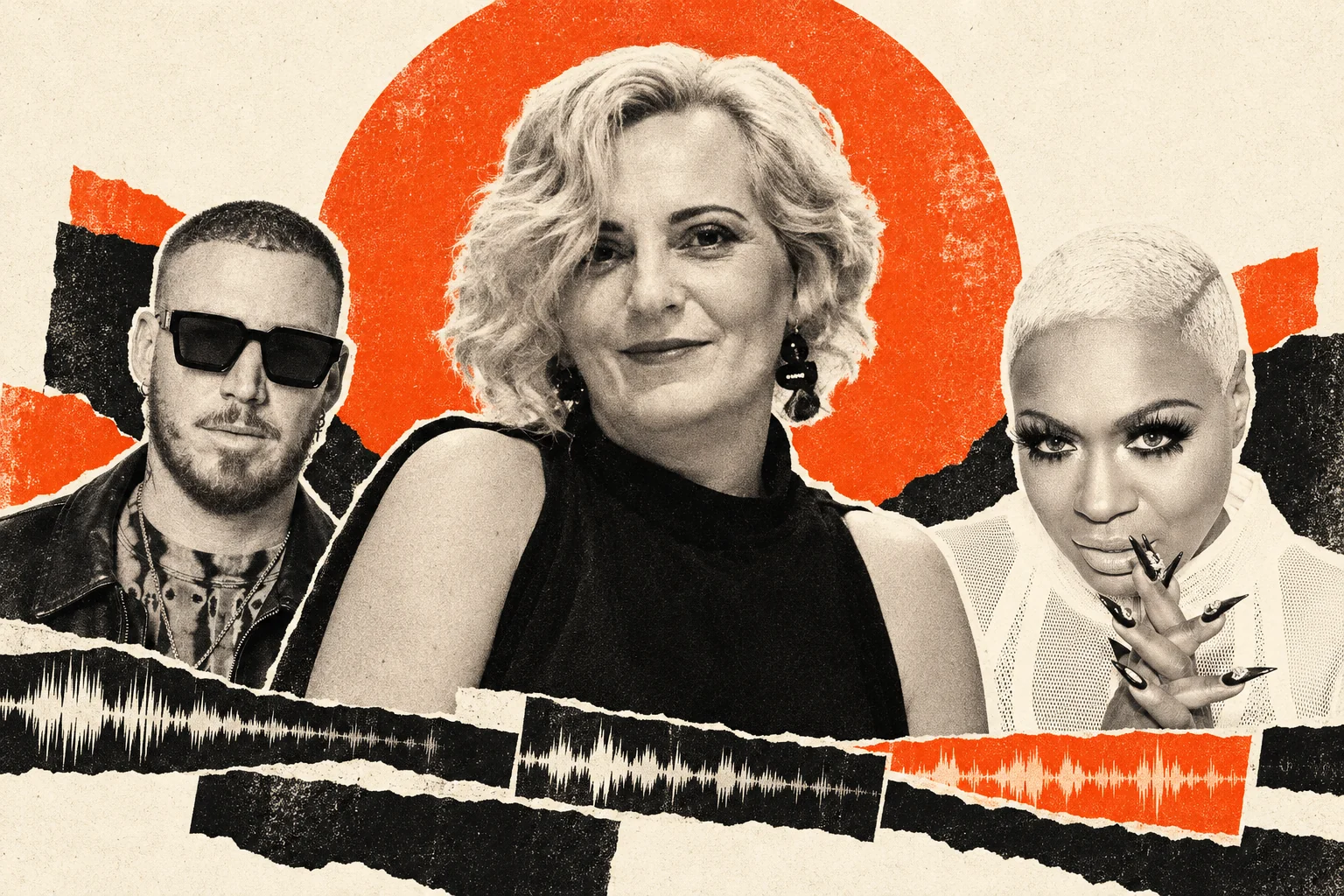
She didn’t know who HUGEL was. Now they share a hit.
A Reiki practitioner’s Suno song became “Movin’ To The Sun.” HUGEL brought a producer’s ear, Ultra Naté brought her voice, and the record took on a life of its own.
Read the story →
News, practical answers and guides for understanding what changes in AI music.
A Reiki practitioner’s Suno song became “Movin’ To The Sun.” HUGEL brought a producer’s ear, Ultra Naté brought her voice, and the record took on a life of its own.
Read the story →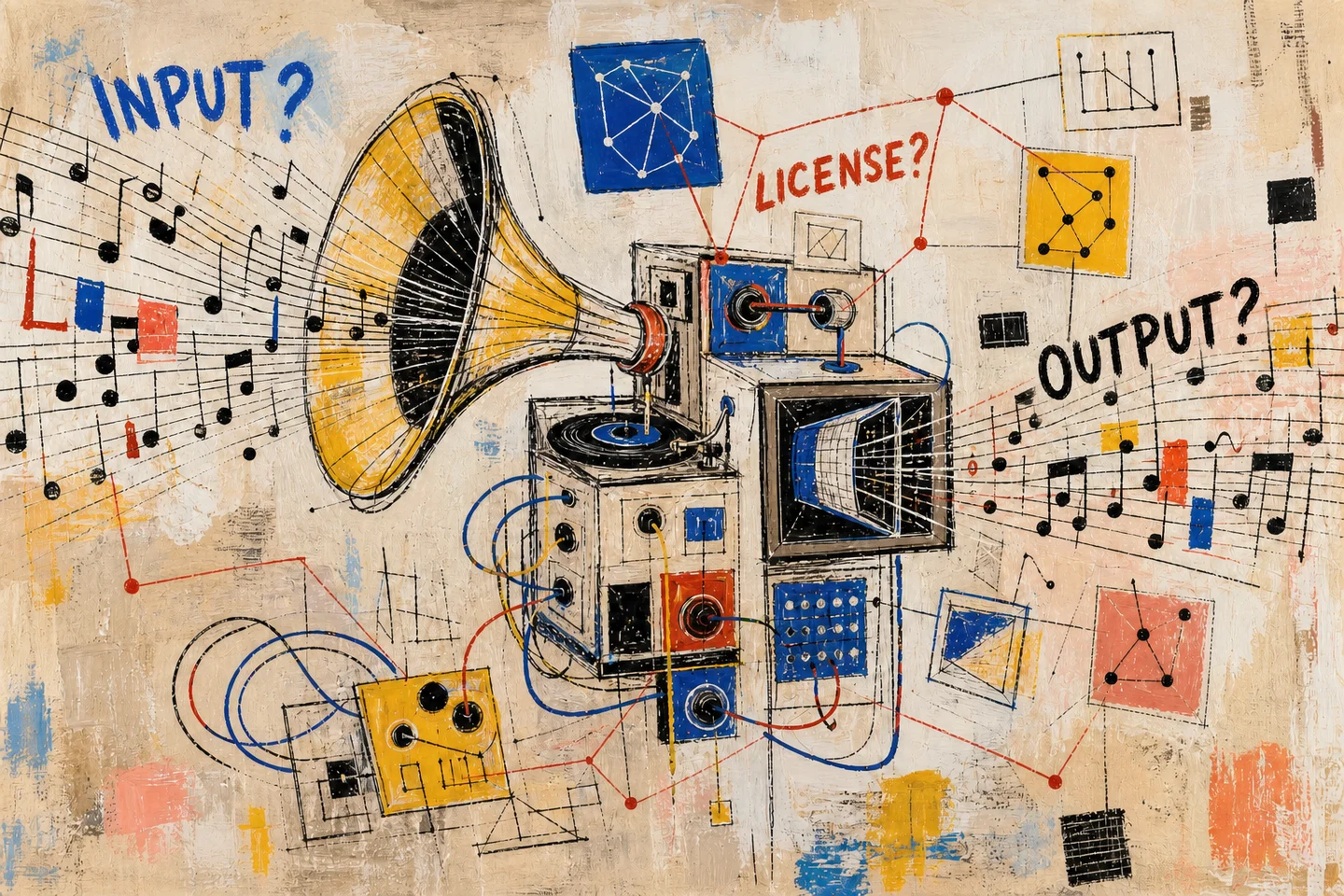
Thirty-five publishers accuse Anthropic and two founders of infringement across torrenting, scraping, training and model output. The complaint states no total damages figure.
Read the story →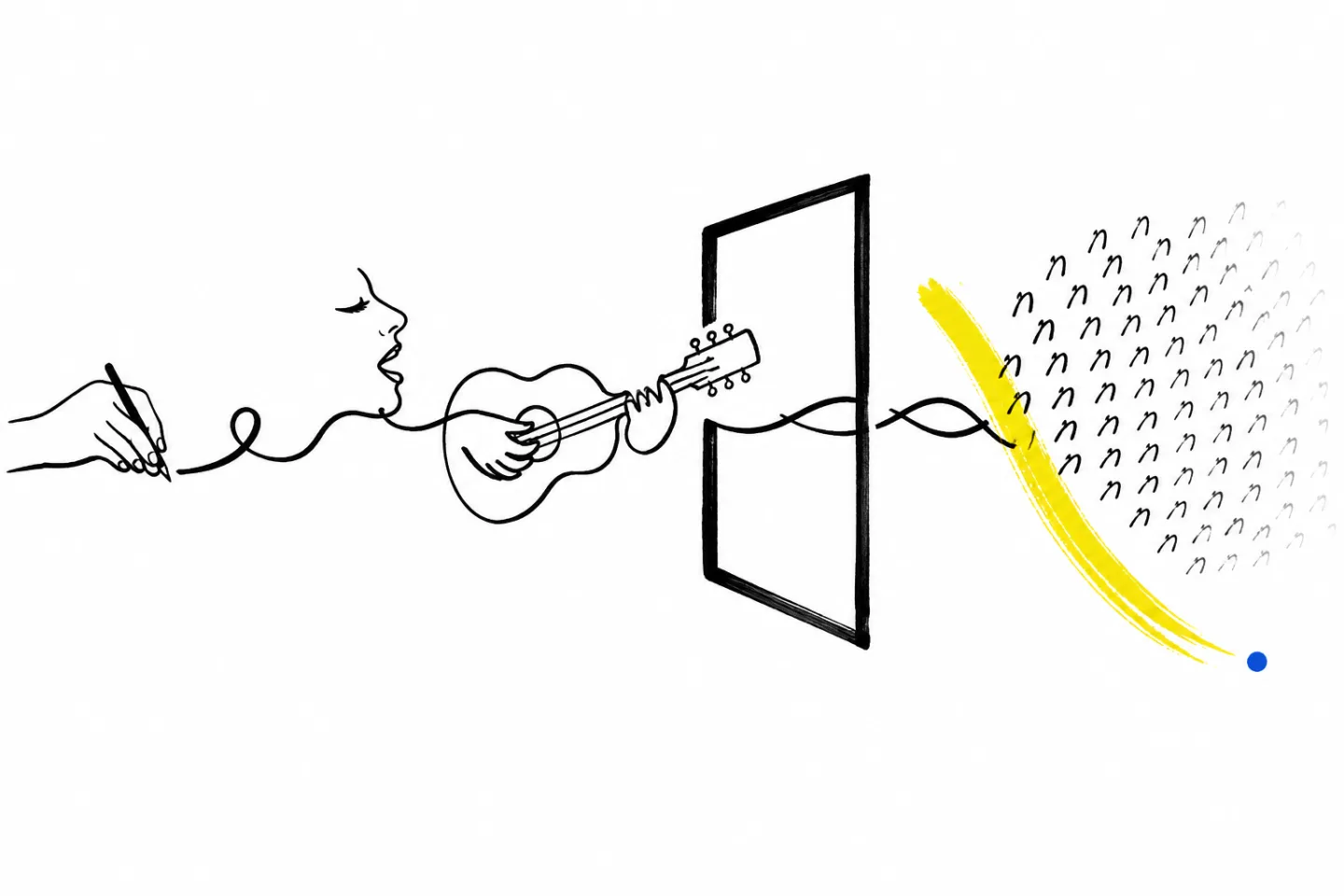
Australia's official charts will still admit AI-assisted music when the song, lead vocal and primary instruments are substantially human-made.
Read the story →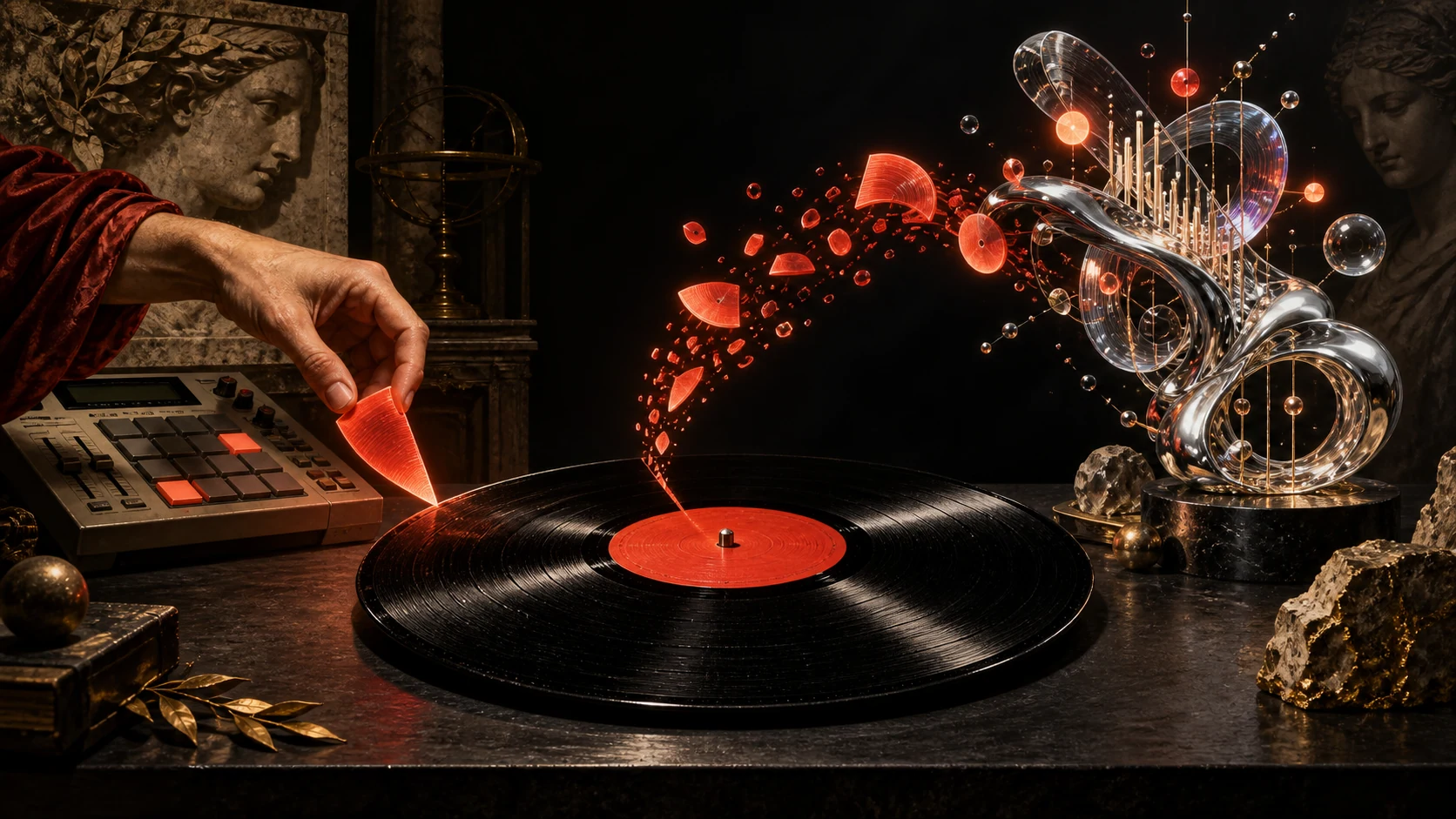
Mobb Deep and Daft Punk turned existing recordings into new music. AI training raises a different set of rights questions. Here is what the comparison proves—and what it cannot settle.
Read the story →
A songwriter keeps AI away from the fun parts. An opt-in can reach the recording, voice and future work. Suno wants creation and listening to stay inside the same app.
Read the story →
Jag vet, du är inte min reached No. 1 on Spotify Sweden, but its fully synthetic voice produced a different answer under IFPI's chart rules.
Read the story →
BBL Drizzy began with a comedian's premise and lyrics, then passed through more than 100 Udio versions and a human decision about which one carried the joke.
Read the story →
Where That Came From combined James Dupré's guide performance, two archive-trained Travis models, months of manual editing and the artist's own approval.
Read the story →
Xania Monet's songs begin as Telisha Jones's poems and lyrics, then pass through a generative production pipeline that creates the voice and music.
Read the story →Honestly: no US court has answered this for music yet.
A work generated entirely by AI cannot be copyrighted in the US — the human-authorship requirement was affirmed by the D.C.
Yes — synthetic artist personas are legal and increasingly common, as long as the persona doesn't imitate a real identifiable person and you meet platform disclosure rules.
Suno currently grants commercial-use rights to songs made while subscribed to Pro or Premier; Basic-plan songs are non-commercial.
Increasingly yes — a growing class of contests exists specifically for AI music, and mainstream opportunities are adding explicit AI rules.
Cloning a recognizable artist's voice without permission is the most legally exposed thing you can do in AI music.
A sourced guide to whether AI-assisted and AI-generated artists can sell or finance music royalties, which platforms may consider them, what buyers will check, and how AI risk changes valuation.
A release checklist for separating copyright, tool permissions, voice and training consent, platform rules and proof of human work.
An outcome-first way to compare generators, vocal tools, editing, stem separation, rights tools and developer APIs.
A repeatable checklist for contests, open calls, grants, conferences and submission deadlines.
A low-noise system for separating product announcements, creative work, rights, research and business signals.