
Artists & culture
Artists spent July drawing very different lines around AI
Paris Paloma, Peking Duk, “Weird Al,” Serge Pizzorno and Thomas Bangalter were not arguing about one technology. They were defending different parts of creative work.
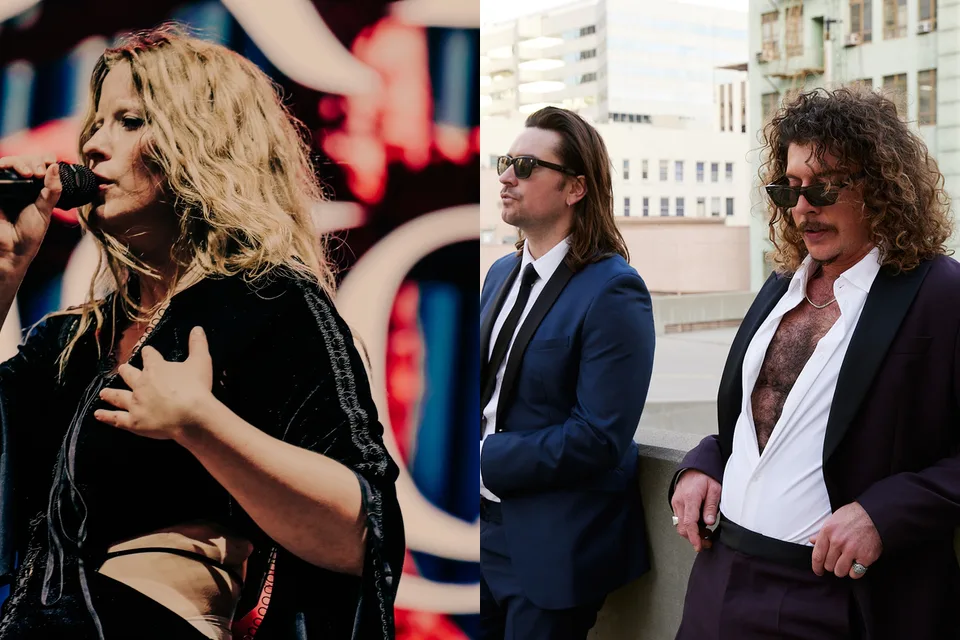
Artists did not converge on a single position about AI in July. Their responses instead identified several different things they believe creative work must protect.
Paris Paloma told the Bilbao BBK Live audience not to use AI art and introduced “Miyazaki” as a song about valuing human artists. Serge Pizzorno of Kasabian focused on apprenticeship: if a young writer can request a finished song, he worried fewer people will spend years learning how to make one.
“Weird Al” Yankovic said he withdrew from a well-paid software advertisement after learning the product was tied to AI. His concern was not only the commercial itself; AI-generated parody could appear to automate the form of authorship most closely associated with his identity.
Peking Duk took a different route. The duo used an AI-assisted reworking of their own hit “High” as a joke about what Australian radio rewards. They retained control of the source song and used the synthetic version as commentary rather than presenting it as a replacement performer.
Process, identity and permission are separate boundaries
In an interview posted online on 29 July, Thomas Bangalter argued that AI focuses on output while the creative journey is the part he values. His objection was to bypassing uncertainty and discovery, not simply to a machine producing audio.
Taken together, these positions are more useful than sorting musicians into “pro-AI” and “anti-AI” camps. One artist protects the time required to learn a craft, another protects an identifiable style, another protects the right to refuse endorsement, and another experiments with a tool only on material they already control.
The common demand is agency: who chose the tool, whose work or identity entered it, what part of the process was delegated, and whether the audience was told.