
She didn’t know who HUGEL was. Now they share a hit.
A Reiki practitioner’s Suno song became “Movin’ To The Sun.” HUGEL brought a producer’s ear, Ultra Naté brought her voice, and the record took on a life of its own.

Important releases, creative work, rights decisions and industry shifts — explained clearly and linked to the original sources.
A Reiki practitioner’s Suno song became “Movin’ To The Sun.” HUGEL brought a producer’s ear, Ultra Naté brought her voice, and the record took on a life of its own.
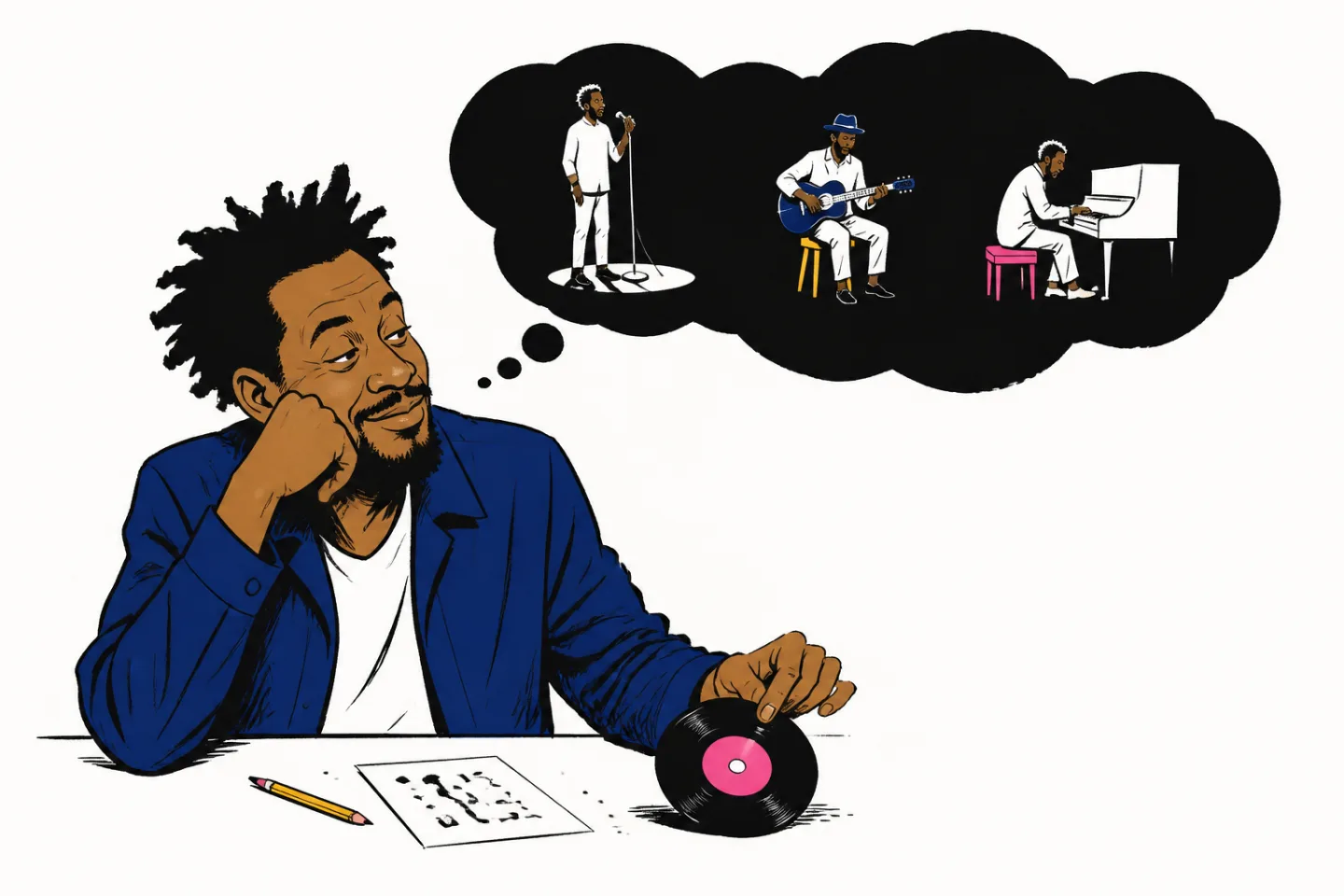
BBL Drizzy began with a comedian's premise and lyrics, then passed through more than 100 Udio versions and a human decision about which one carried the joke.
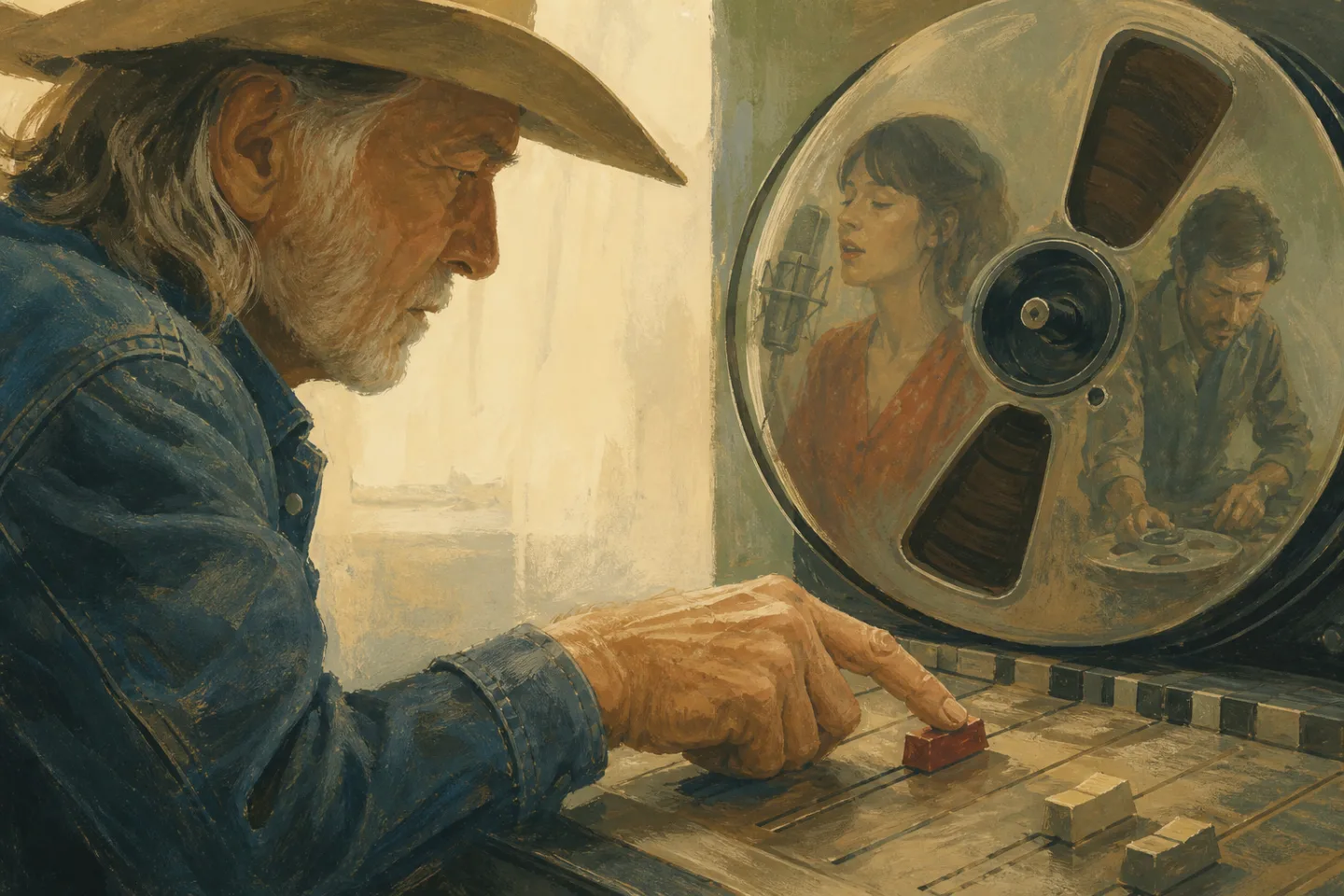
Where That Came From combined James Dupré's guide performance, two archive-trained Travis models, months of manual editing and the artist's own approval.
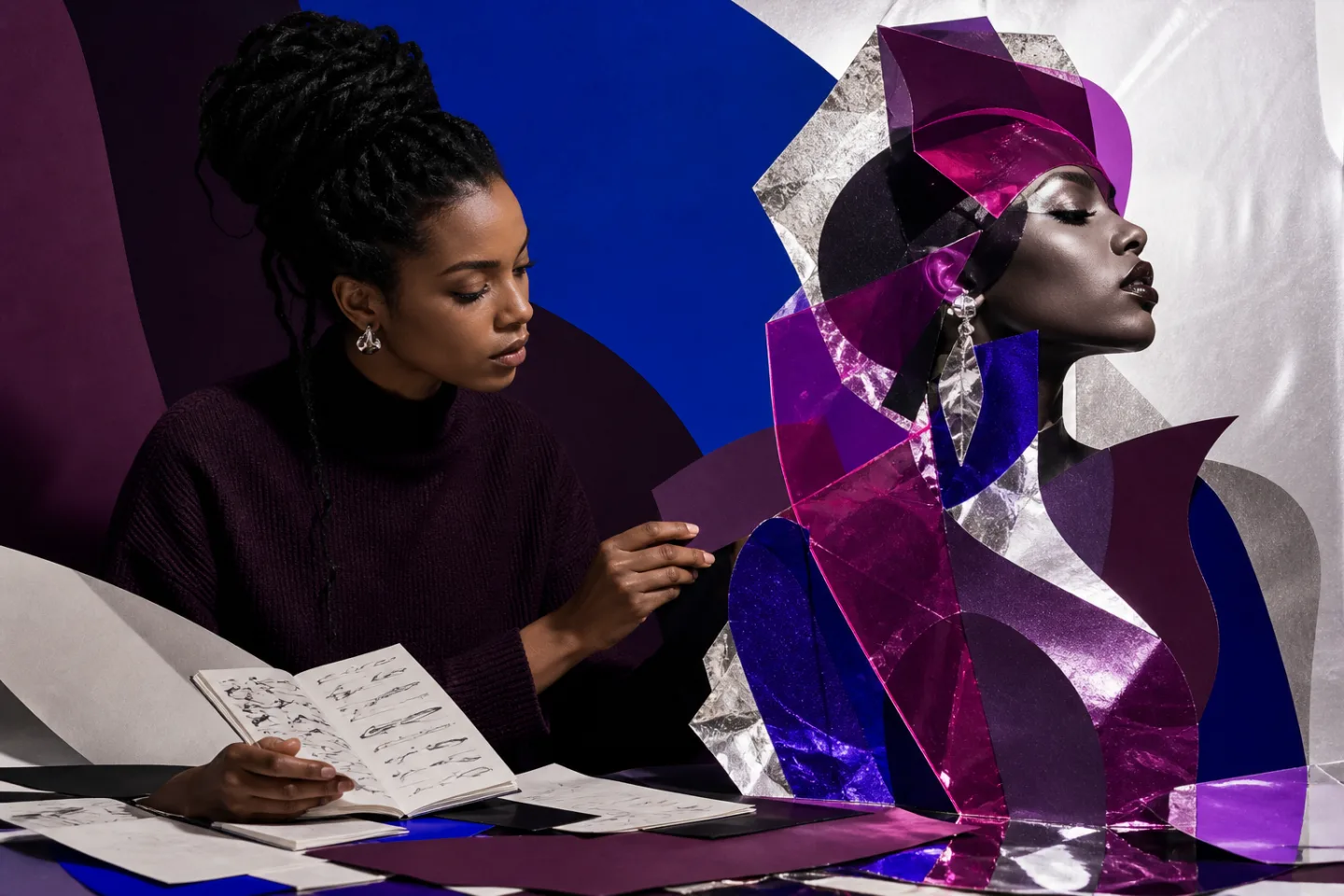
Xania Monet's songs begin as Telisha Jones's poems and lyrics, then pass through a generative production pipeline that creates the voice and music.
A Bilan collaboration, Sweden's Jacub hit and a Yesenin adaptation show why “AI song” no longer describes one creative process.
The producer feeds AI work he has already made to test what it might change. That is more specific, and more useful, than simply calling a record “AI-assisted.”
Midler called IngaRose's “Celebrate Me” cultural genocide. Tyrese Gibson defended the track. Their argument turns on a label that hides the split between human-written lyrics and synthetic performance.
The community project asks creators to represent countries with songs made in Suno or Udio, then puts the entries through public voting and a final.
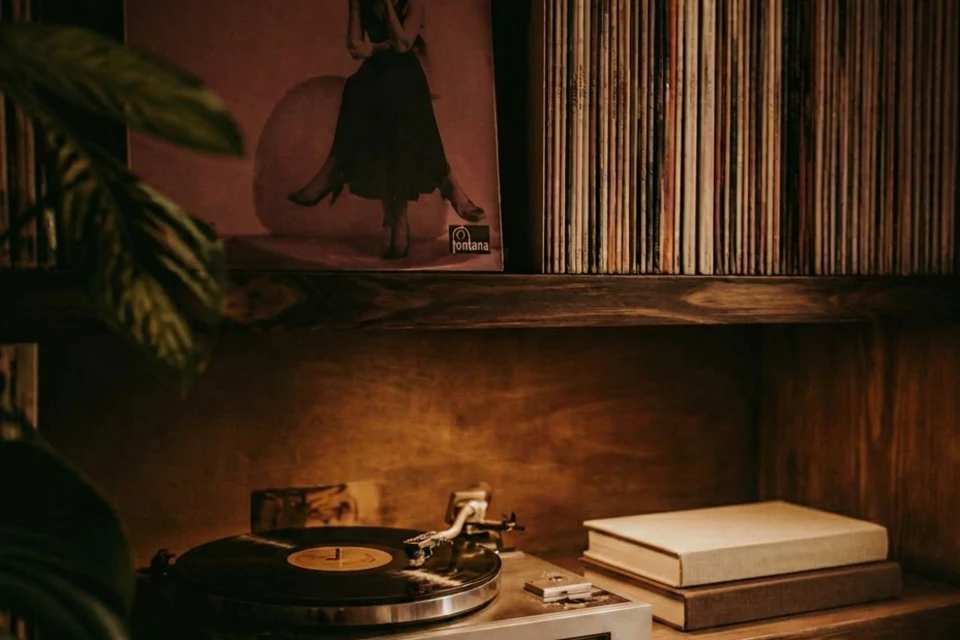
A coming-soon service will turn tracks from a Suno library into a custom 12-inch record for about $45 plus shipping.
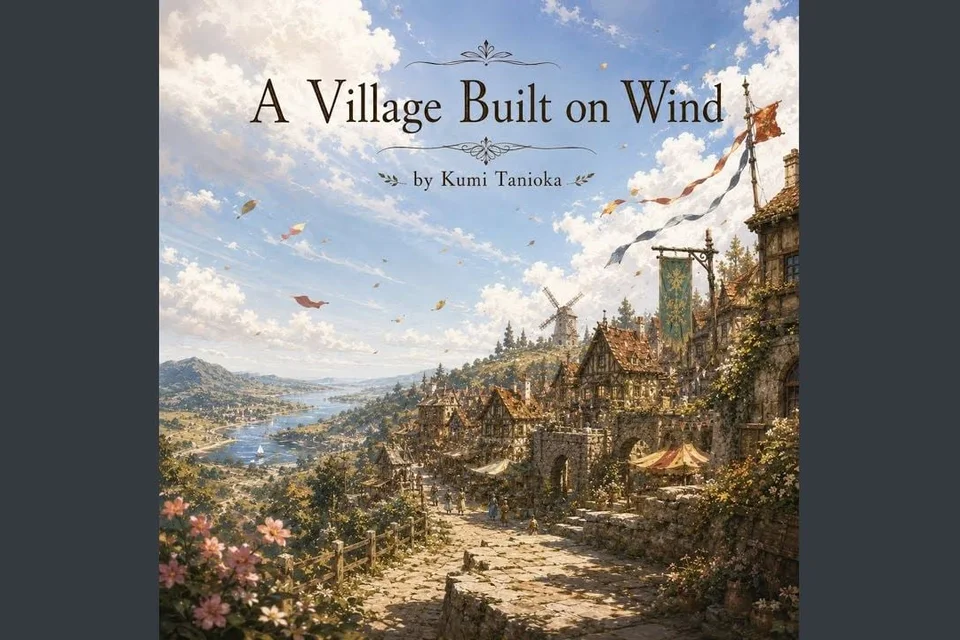
The music was not hers. The case exposes a distribution and metadata failure that makes synthetic releases look official.

The Hollywood program combined screenings, creator Q&As and an awards reception. The organizer has not posted an August winner list.
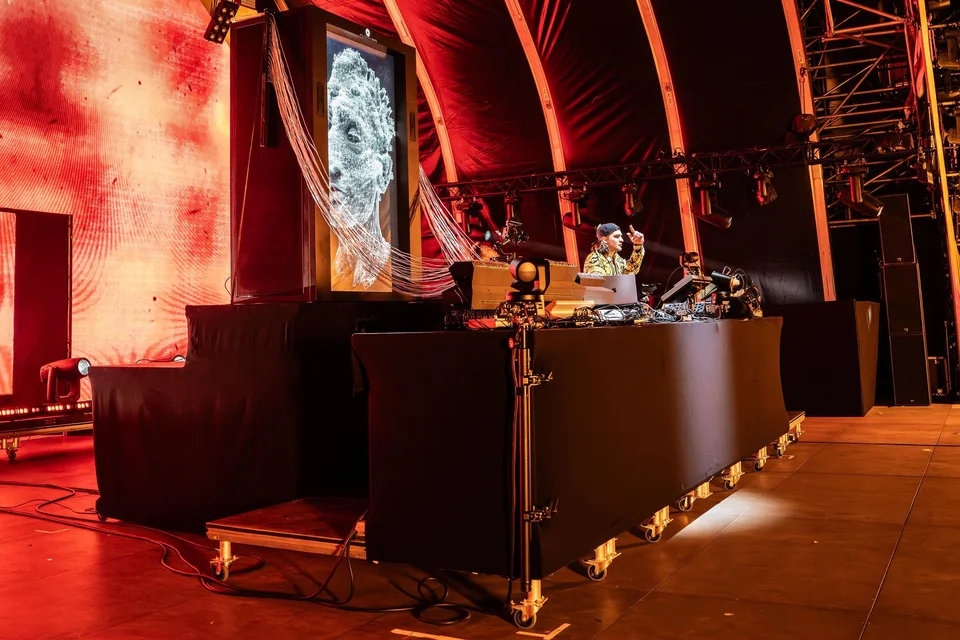
Reinier Zonneveld’s festival project puts a model trained on his own archive inside an unpredictable stage system.
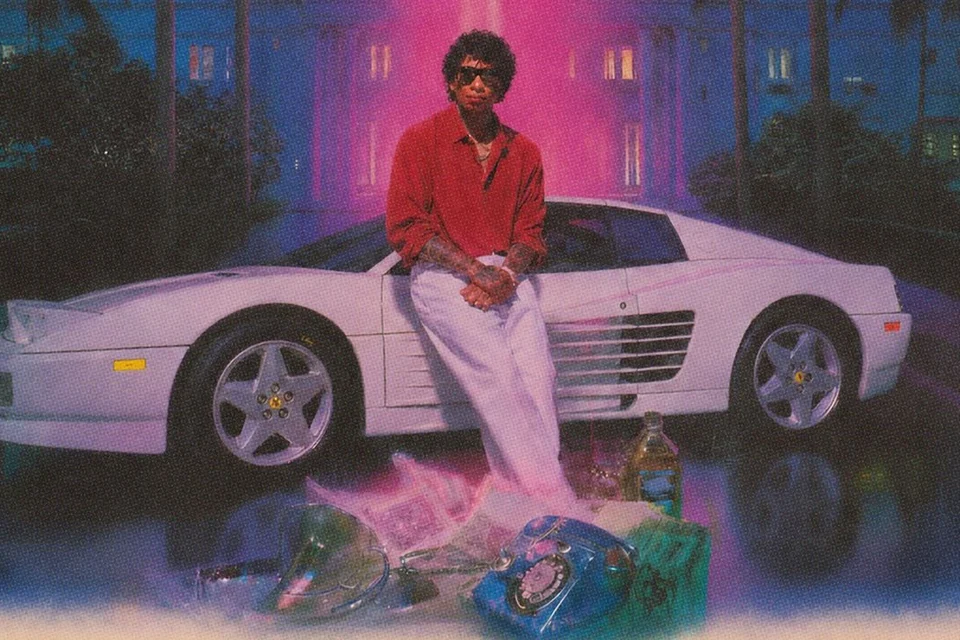
The rapper says the writing and vocals are his. The missing detail is which musical elements were generated and how they reached the finished album.