
Artists & culture
Bayreuth’s AI “Ring” drew boos for the staging — and applause for the musicians
The festival used a dozen models to generate a changing visual history of Wagner’s cycle. The audience separated its reaction to the production from its response to the cast.
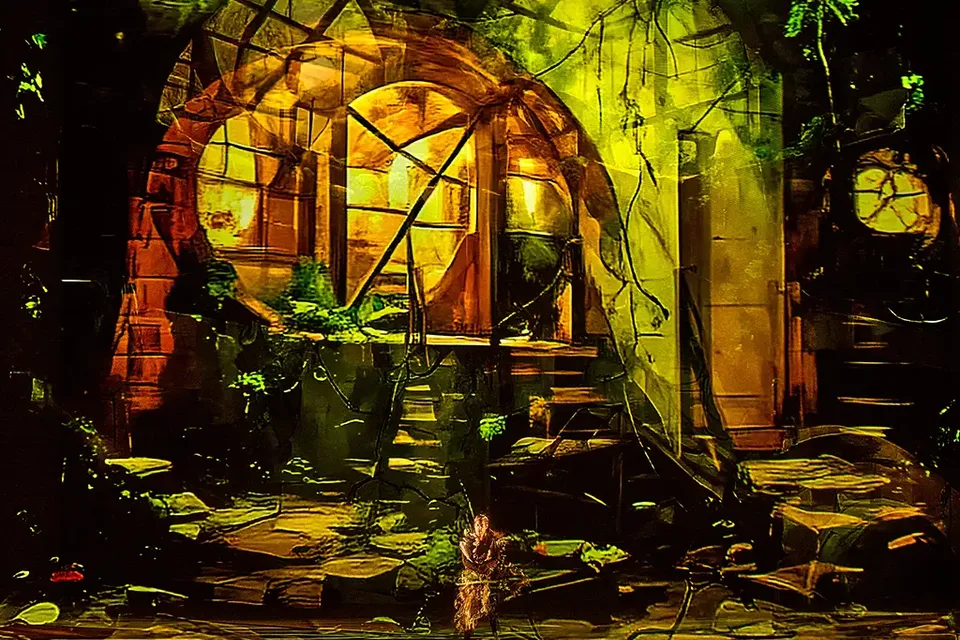
Bayreuth introduced AI as an “image-generating force” in its 150th-anniversary Ring Cycle, placing singers between two vast screens while models assembled a shifting collage from the production history of Wagner’s work.
The experiment did not land cleanly. After the first “Götterdämmerung” on 1 August, the production team was met with boos and whistles. The response was not a blanket rejection of the performance: AP reported warm applause for the singers and musicians, particularly conductor Christian Thielemann. A later account described a 17-minute ovation around roughly 30 seconds of protest when the creative team joined the bows.
The distinction matters. The audience was reacting to a staging choice inside one of classical music’s most symbolically loaded institutions, not to an AI-generated song replacing the orchestra.
The system could associate images, but not supply drama
The production combined about a dozen models, including Stable Diffusion, and drew on roughly 1,000 images selected from earlier Bayreuth “Ring” productions. Organizers promised that every performance would be visually unique. The creative team also said it was an experiment rather than conventional stage direction.
That helps explain both the ambition and the criticism. A continuously recombined archive can surface unexpected historical connections, but variation alone does not create theatrical intention. Bayreuth’s “Ring” is a useful failure case because the music, performers and institution were strong enough for the audience to identify precisely which layer it rejected.