
Artists & culture
John Dahlbäck describes AI as an instrument for unfinished ideas
His examples range from rebuilding backing vocals to a planned duet between a singer and her five-year-old voice.
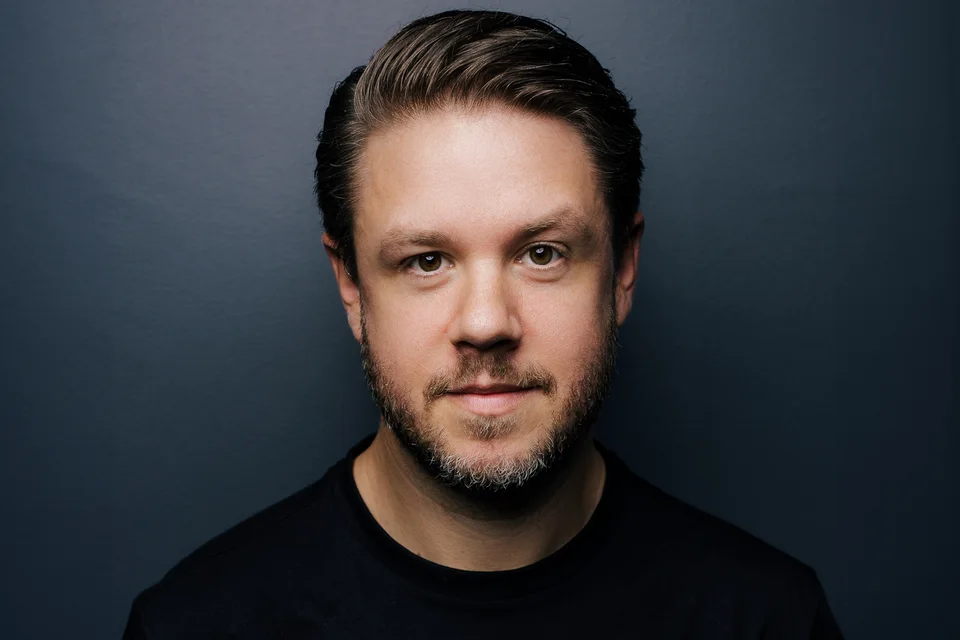
Swedish house producer John Dahlbäck gave one of July's more useful artist accounts of how AI actually enters a studio session. He told MusicRadar that he uses it for inspiration, feeding in a beat and treating the results as material to develop — closer to sampling or turning knobs on a synthesizer than exporting a finished prompt-to-song result.
His examples were specific. One producer rebuilt missing backing vocals from a singer's recorded lead after the session had ended. Another is planning a duet between an established singer and archival tapes of her singing at age five, using a model trained for that project.
Dahlbäck also described singing a guide himself and using voice transformation to reach a timbre he cannot perform. He cited Synplant's AI-assisted sound design as another example of a model that opens a search space without deciding the finished record.
The line is creative responsibility
Dahlbäck's position is not that every generated output is interesting. He draws a line between using AI to discover or reconstruct something and generating a complete pop song for immediate upload.
That is a practical distinction for listeners and makers. The meaningful question is not simply whether AI touched the file, but what problem it solved, what source material it used and which decisions remained with the artist. His studio examples make those questions tangible.