
Business
LANDR expands its opt-in AI dataset and raises the artist share to 25%
More than 30,000 artists have joined Fair Trade AI, but the details show why “opt out any time” needs careful reading.
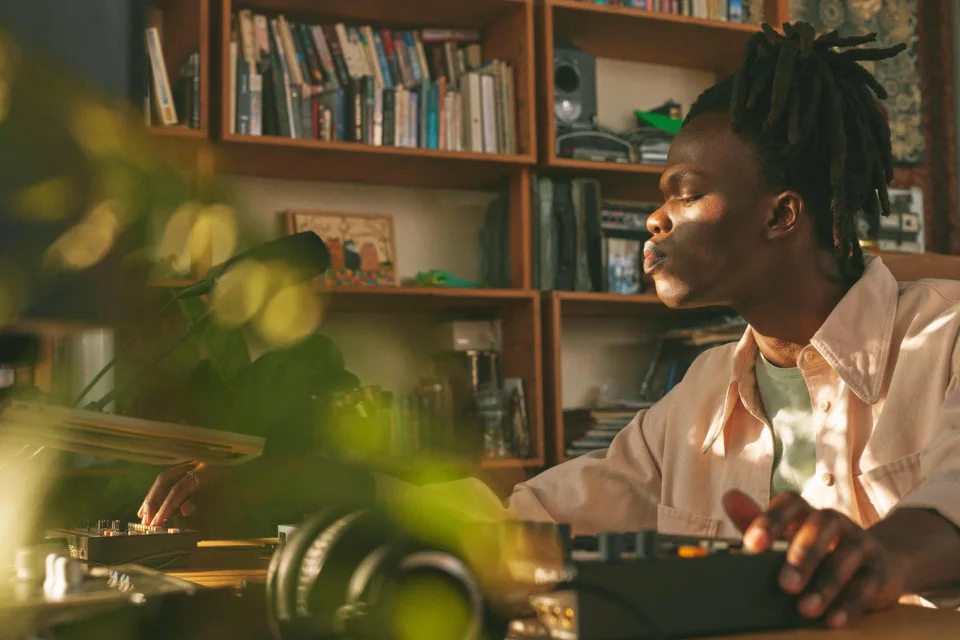
LANDR says more than 30,000 artists have opted tracks into Fair Trade AI, creating a rights-checked catalogue of hundreds of thousands of recordings for model developers. The company also raised the participating artists' pool from 20% to 25% of net licensing revenue and announced a $1 million programme of recoupable advances.
Eligibility is narrower than a simple upload. Participants must distribute through LANDR, control the full recording and publishing rights, and pass LANDR's curation. Revenue is divided according to how many qualifying recordings an artist contributes to a particular dataset.
The licence can outlive an opt-out
LANDR's current terms describe both time-limited and perpetual dataset deals. An artist can stop their music from entering future datasets, but a track already delivered under a perpetual licence can remain with that partner. Time-limited datasets are refreshed at least annually, so removal is not necessarily immediate there either.
The programme is still a meaningful alternative to unlicensed scraping: participation is affirmative, rights are checked and a share of licensing income is reserved for contributors. The important caveat is that consent applies to specific contractual uses, not a reversible switch inside every trained model.
For artists considering the programme, the useful questions are which datasets include their music, whether each licence is limited or perpetual, what net-revenue deductions apply and how payouts are calculated. LANDR now publishes more of that machinery than most AI music companies; those details are the story.