
Artists & culture
The Rolling Stones draw their AI line at imitation
Mick Jagger and Keith Richards accept AI as a creative tool, but reject systems that manufacture a new song in their style or voice.
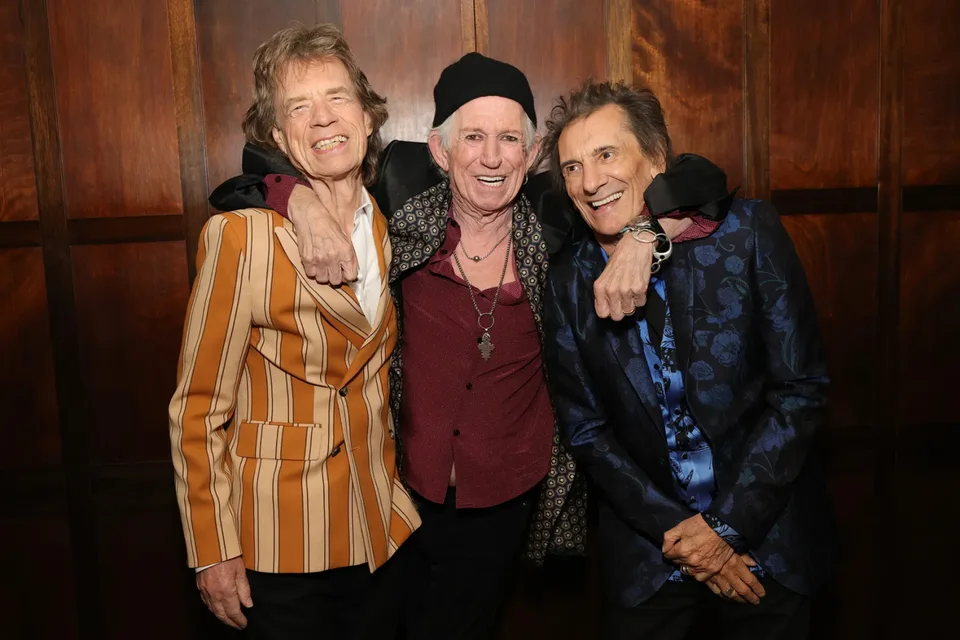
Mick Jagger and Keith Richards said they are open to musicians using AI, provided the result is original rather than a synthetic Rolling Stones performance.
Their comments followed the band's own use of age-altering visual effects in the “In the Stars” video. Jagger distinguished that kind of directed production from prompting a system to write and perform a song in the Stones' style. He objected specifically to imitation of the band's voices and playing.
That position matters because it separates three things often collapsed into one argument: using machine learning inside an artist-controlled production, generating a new work from broad instructions, and impersonating an identifiable performer.
Permission is not a blanket endorsement
An artist can choose to transform their own image or voice without granting everyone else the same right. The creative and ethical question changes when the subject is directing the work, when a collaborator has permission, or when a stranger is manufacturing an apparent performance.
The Stones' answer is not a technical rule for every case. It is a clear artist-level principle: use the tool to make something new, do not outsource identity. That is more precise than describing a musician as simply “pro-AI” or “anti-AI.”