
Artists & culture
Rudy Sarzo explains the AI workflow behind two solo songs
The bassist says he supplied demos and direction, then used Suno for vocals and instrumentation — a concrete example of an established musician adopting generation.
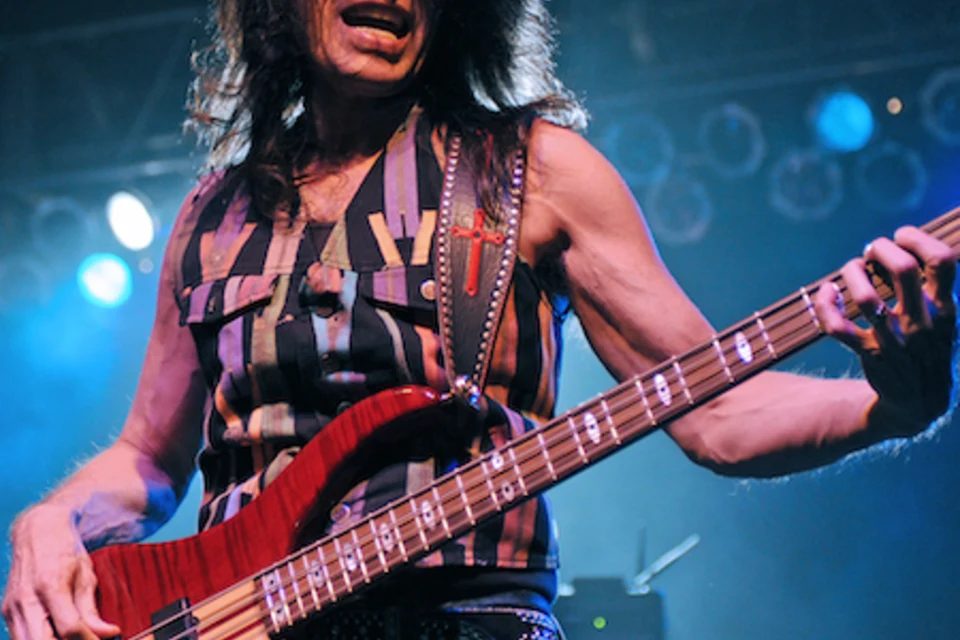
Veteran bassist Rudy Sarzo released two solo songs, “Your Heart Is the Road” and “For the Love of Love,” and described using Suno to turn his demos and production choices into finished vocals and instrumentation.
Sarzo framed the system as another production tool, comparing it with loops, MIDI and plug-ins. The important detail is that he did not present the tracks as raw one-prompt outputs: he says the process began with his own musical ideas and continued through selection and direction.
What this example does — and does not — show
The releases are a useful case study because an established musician is openly describing which parts were generated. They also expose the unresolved credit question: “human-directed” can cover anything from a detailed arrangement to choosing among model outputs.
Listeners can now hear the result and judge the workflow for themselves. A stronger disclosure would also identify the exact human performances, generated elements and final editing decisions in the credits.