
Artists & culture
An official game music video makes its AI use explicit — and still draws backlash
Shift Up disclosed that the Stellar Blade: Blood Rain video was regenerated with AI support, but viewers questioned why a major studio used it.
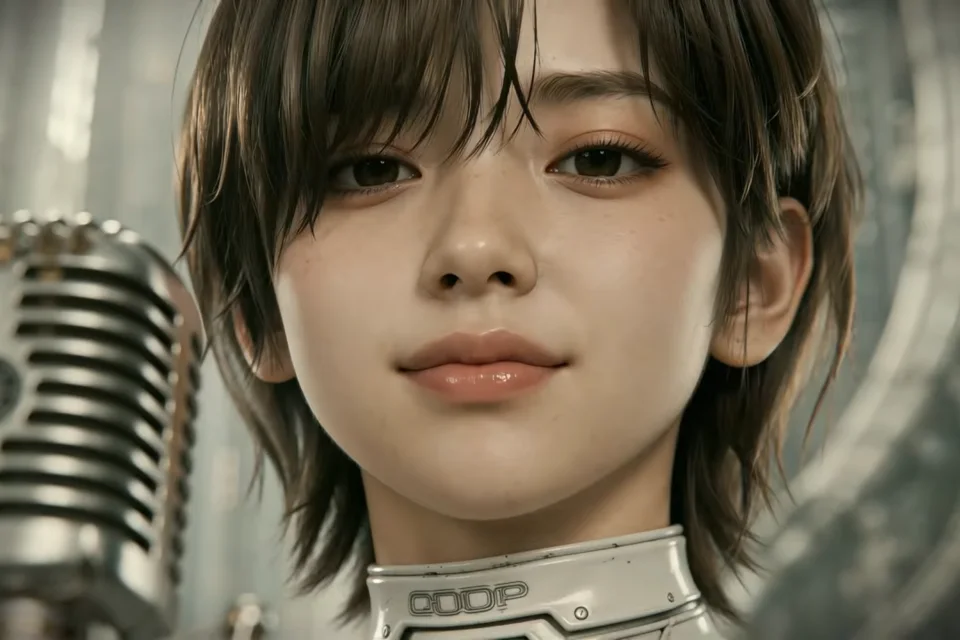
Shift Up released an official music video for “Wanna Be in Love,” connected to the game Stellar Blade: Blood Rain, and disclosed in the credits that game assets had been “regenerated with AI support.”
The video placed the game's character Evie in a synthetic futuristic performance. Viewers quickly criticized the choice, arguing that a studio known for visual artists and animators should have commissioned more of the work directly from them.
Unlike many AI-video controversies, the basic provenance was not hidden. The disclosure removed one question — whether generative tools were used — while leaving the harder one: whether that use fit the project and the audience's expectations.
Disclosure is a floor, not an endorsement
Labels help people make informed judgments; they do not guarantee approval. Audiences can understand a workflow and still dislike the result, the labor decision behind it or the visual language it produces.
This is especially visible in game music videos, where fans already associate a franchise with a large human art team. Reusing game resources can make the model's input more legitimate, but it can also make the contrast with the studio's existing craft more obvious.
The July release is therefore a useful case for transparent AI credits. Disclosure worked: people knew what they were reacting to. What followed was cultural criticism, not a metadata failure.