
Artists & culture
Tyga confirms AI was used on $TARFACE — but not how much
The rapper says the writing and vocals are his. The missing detail is which musical elements were generated and how they reached the finished album.
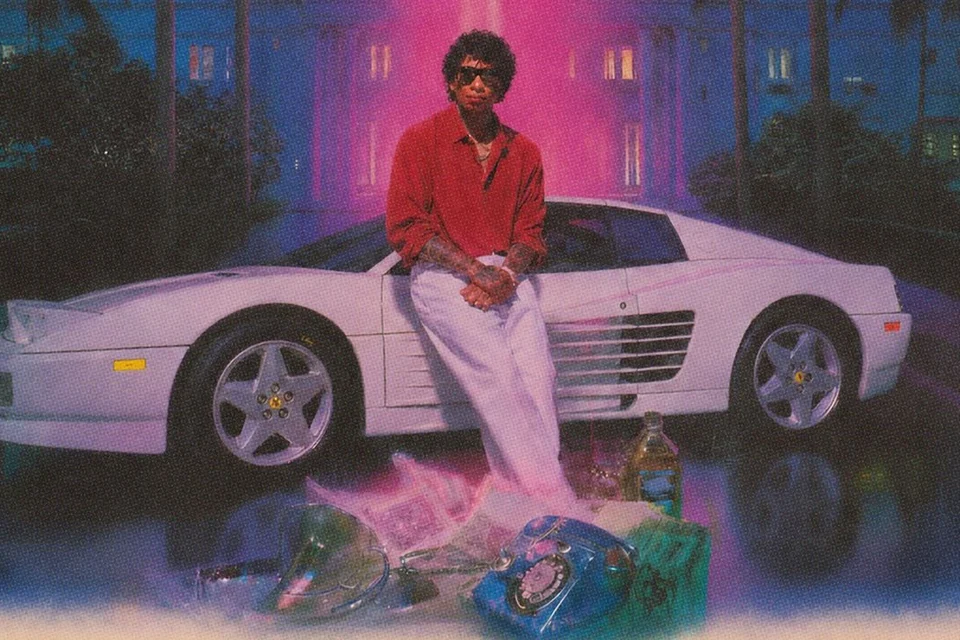
Tyga has confirmed that AI was used while making $TARFACE, his 1980s-inspired pop album and alter ego. He told VIBE that technology was used as a tool, while maintaining that the writing and all vocals are his.
That statement answers the basic disclosure question but not the production question. Tyga has not publicly identified the model, the generated elements, the collaborators responsible for them or how much of the final arrangements came from AI output.
The ambiguity became part of the album's reception. Before the AI acknowledgment, Tyga described vintage hardware, delays and harmonizers in an interview with People. Pitchfork later gave the record a rare 0.0 review and treated its suspected generation process as central to the criticism. NPR subsequently used the album to discuss how common undisclosed or partially disclosed AI use may already be in professional sessions.
The useful question is not whether AI touched it
An album can contain human lyrics and vocals while relying on generated composition, arrangement, instrumental stems or production references. Those are materially different workflows, and a single "AI-assisted" label does not tell listeners which one occurred.
$TARFACE is therefore a useful test case for artist disclosure. The important next step is not forcing artists to publish every studio decision. It is giving credits enough vocabulary to identify the generated component, the person who directed it and whether that output survived into the released recording.