
Rights & policy
When AI helps make the song, what stays yours?
A songwriter keeps AI away from the fun parts. An opt-in can reach the recording, voice and future work. Suno wants creation and listening to stay inside the same app.
AI-assisted
Drafted with AI assistance and edited by Nik McFly.
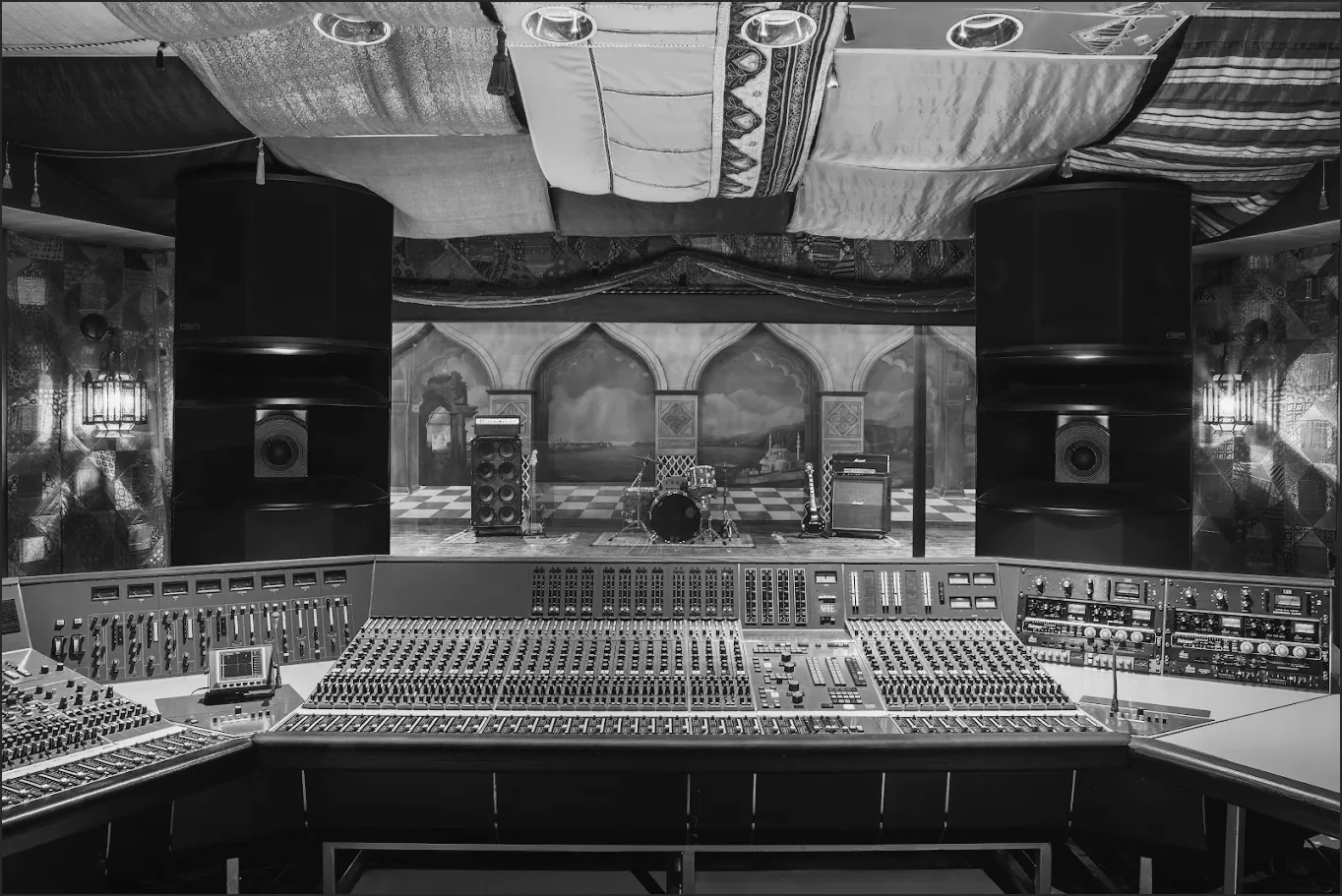
Vincent Walter Jacob gave ChatGPT a list of records he loved, the sound he wanted and the plugins installed on his computer. The chatbot replied with settings. He entered them into his mix, pressed play and liked what he heard.
Jacob is a French singer-songwriter and producer. He fronted the Los Angeles rock band Yard of Blondes and wrote the lyrics to Johnny Hallyday's posthumously released “Un Cri.”
In August, he appeared on Taste-Bench, a podcast about AI and human taste hosted by AI researcher Bruno Marnette and economist Philipp Zahn. They invited Jacob as a musician working outside the AI industry.
ChatGPT organises his ideas, explains unfamiliar software and helps him study music theory. Jacob sometimes gives it chord progressions and asks how to arrange an orchestra. Logic generates his drum parts because he is not a drummer.
The mixing experiment saved time, but it also taught him what the controls did. After entering ChatGPT's suggested settings and adjusting them by ear, he understood tools that had previously confused him.
In the episode, Jacob says he tries to keep AI away from the parts of music-making he loves. Mixing assistance passes that test. Songwriting usually does not.
Then Suno gets closer to the boundary.
Jacob describes a producer friend who uploaded a rough trumpet recording and asked Suno to improve the performance. The result was good enough to use. A musician could play an imperfect part, preserve the idea and let the model supply the polish.
For Jacob, the hours spent wrestling with a performance may be the experience he wanted from the studio. Removing the struggle can remove the eventual satisfaction.
He does not turn that preference into a rule for everyone else. He knows people who could write lyrics but could not sing or play an instrument. Suno allowed them to release songs for the first time. He also expects children raised with generative tools to develop musical practices that current musicians cannot yet recognise.
Inside his studio, Jacob decides what the machine may touch. Once the song enters a contract, someone else helps draw that boundary.
The checkbox after the song
Also in August, the independent-music publication Making a Scene released an article and podcast titled “AI Licensing Is Becoming a Contract Business: What Indie Artists Must Demand Before They Opt In.”
Written by Richard L'Hommedieu, the piece looks at what an artist may be agreeing to when an AI company asks for permission to use their music.
A button marked “opt in” can cover the finished recording, the underlying composition, lyrics, stems, vocal tracks, the artist's name and likeness, future releases and material that has never been made public.
The uses can be equally broad. A company may want to train a model, generate new music, imitate a voice, sublicense the material to a partner or reuse it in products that have not been built yet.
Those permissions do not have to travel together.
An artist could license ten named recordings for training while excluding the rest of the catalogue. A singer could permit voice generation for internal demos but prohibit public releases. Fan remixes might be allowed inside one service without receiving permission for commercial distribution elsewhere.
The article reduces the issue to one useful sentence:
“The real opportunity is being included on terms you understand.”
Understanding the terms requires more than knowing what files the company receives. The contract also needs to say how long permission lasts, which other companies may receive the material, how the artist gets paid and what happens to the files, trained models and generated outputs after the deal ends.
Making a Scene has its own stake in this argument. The publication also sells Fan Passport, software for managing licensing policies, revenue and direct fan relationships. Its article supports the ownership model behind that product.
A carefully written license can define what happens to the music. It cannot guarantee where the listener will remain after the song is made.
Suno wants the listening too
Bloomberg reporters Lucas Shaw and Ashley Carman examine that next step in “The Next Spotify—Or an AI Music Slop Machine?”, released through Bloomberg's narrated-reporting podcast Listen to the Story.
Suno already turns prompts and uploaded audio into produced songs. The company's ambition extends beyond helping someone create a file.
Co-founder and CEO Mikey Shulman tells Bloomberg:
“I think people want to create to be entertained.”
Bloomberg reports that more than 100 million people have used Suno and more than two million pay for it. Suno says more than 80% of its users listen to music they created themselves. The company supplied those figures.
If the 80% figure is accurate, much of the activity stays inside one product. A user generates a song about a private joke, sends friends a Suno link and returns to the app to hear it again. No distributor or separate streaming service is required.
Suno controls the creation interface, the sharing path, the recommendation system and the listening history around the song.
The creator may export the audio. The Suno link and the activity attached to it remain on Suno. If the company changes its prices, features or rules, downloading a WAV file does not move those listeners somewhere else.
What the artist should keep
Keep the prompts, source files, stems, metadata and project versions needed to continue the work outside the original tool.
Ask an AI license to name the recordings, compositions and identity rights it covers. The contract should also name the permitted uses, other companies, duration, payment and exit conditions.
Give listeners an independent place to find the artist, even if it is only a website or mailing list.
If Suno changes its terms tomorrow, the artist should still have the project files, the right to use the work and a way to tell listeners where the next song will appear.