AI Music vs Sampling: Where Does Influence Become Copying?
Mobb Deep and Daft Punk turned existing recordings into new music. AI training raises a different set of rights questions. Here is what the comparison proves—and what it cannot settle.

Important releases, creative work, rights decisions and industry shifts — explained clearly and linked to the original sources.
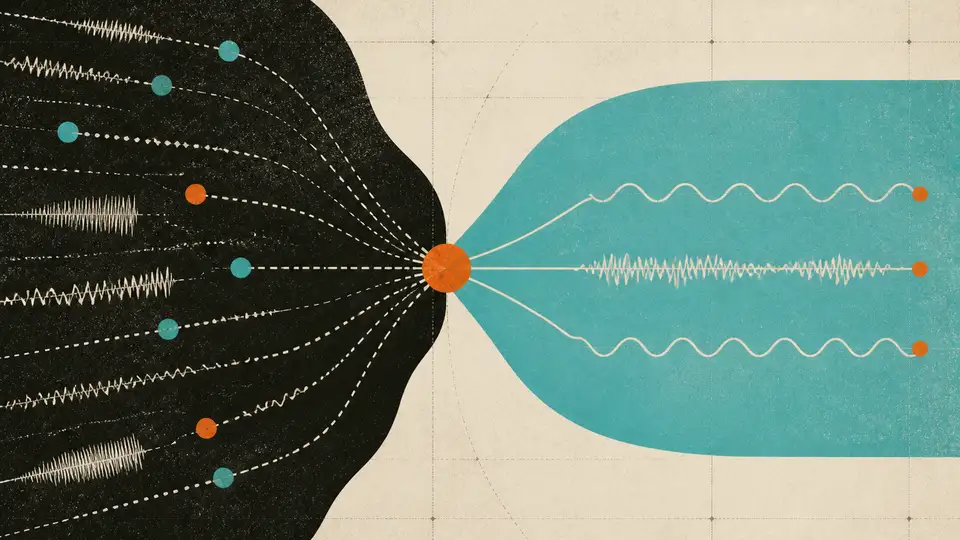
Mobb Deep and Daft Punk turned existing recordings into new music. AI training raises a different set of rights questions. Here is what the comparison proves—and what it cannot settle.
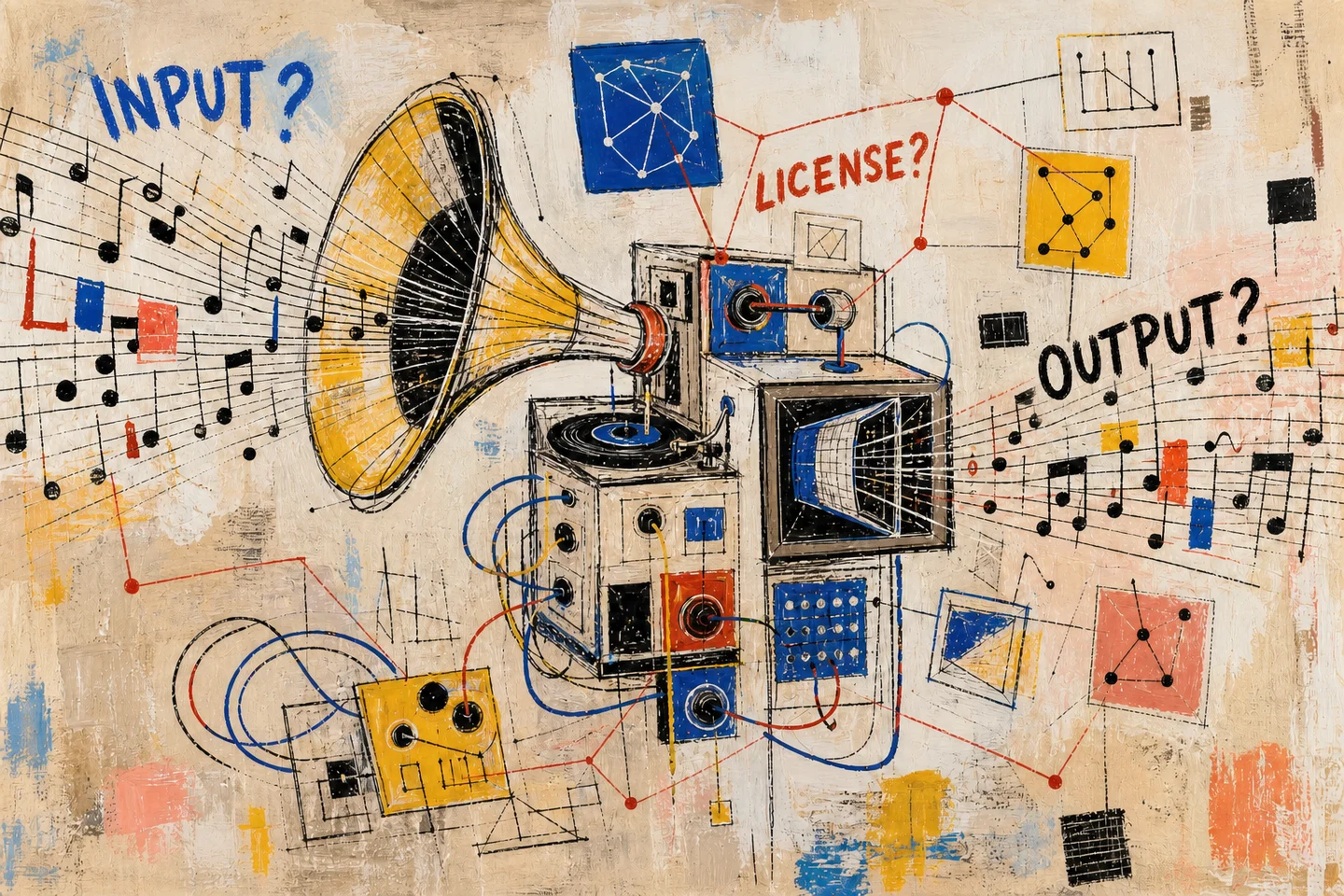
Thirty-five publishers accuse Anthropic and two founders of infringement across torrenting, scraping, training and model output. The complaint states no total damages figure.
A songwriter keeps AI away from the fun parts. An opt-in can reach the recording, voice and future work. Suno wants creation and listening to stay inside the same app.

Jag vet, du är inte min reached No. 1 on Spotify Sweden, but its fully synthetic voice produced a different answer under IFPI's chart rules.
The UK-based association is building a member voice around platform access, labelling, education and recognition for people who make music with AI.
One service bans substantially generated music, another plans visible labels, and a performers' rights body is working with Deezer to filter recordings made without human contribution.
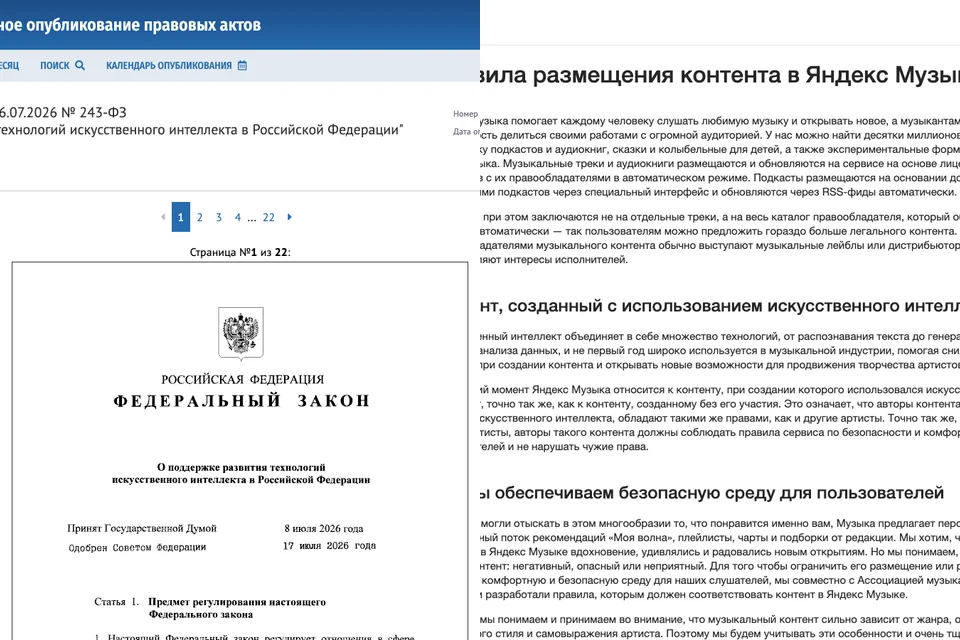
Federal Law 243-FZ creates a route for AI-content notices from March 2027, while Yandex Music, KION Music and Zvuk are making different product and policy choices.
Australia's official charts will still admit AI-assisted music when the song, lead vocal and primary instruments are substantially human-made.
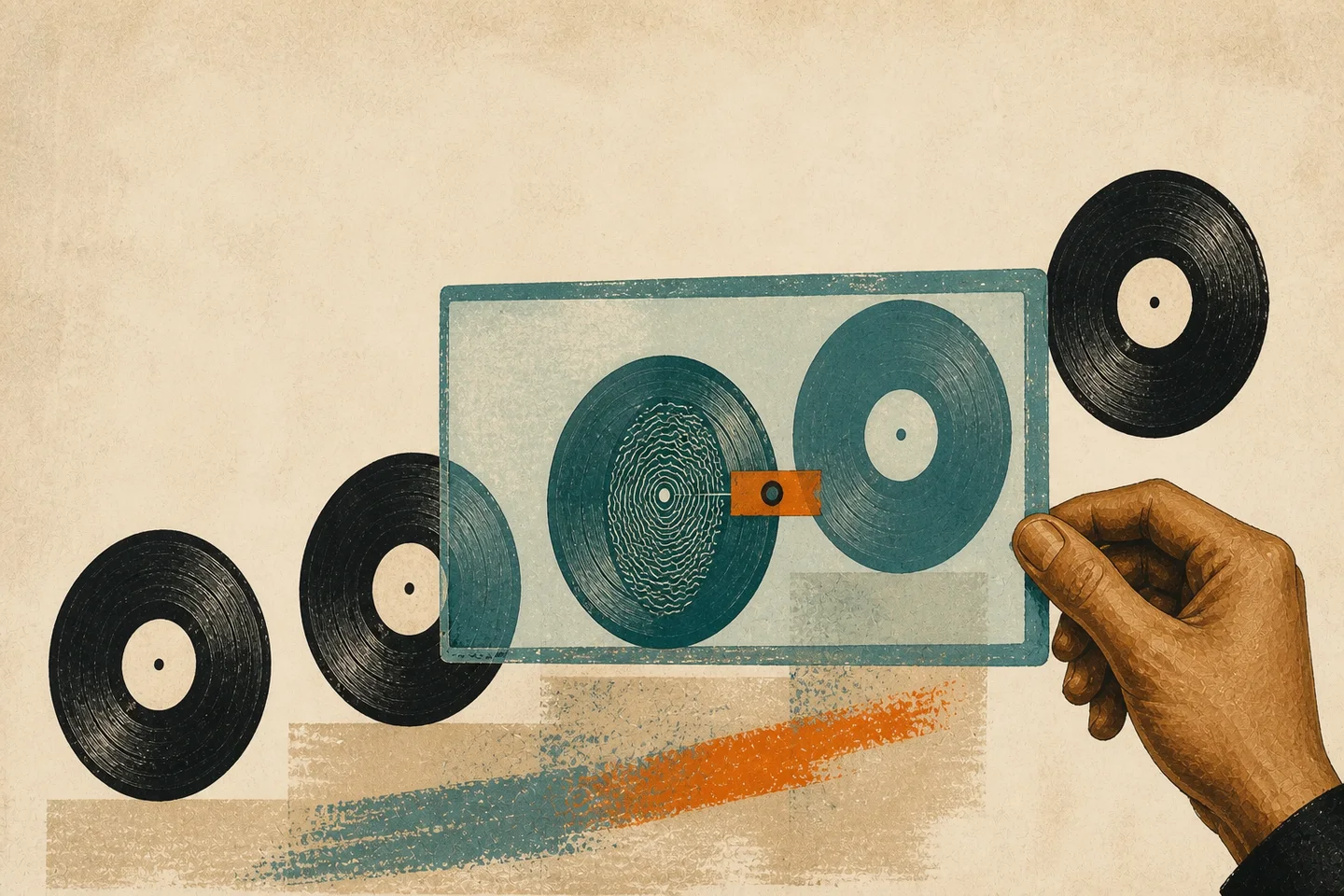
The publisher is testing detection tools and asking creators and industry partners to disclose AI use. The announcement is a transparency commitment, not a chart ban.
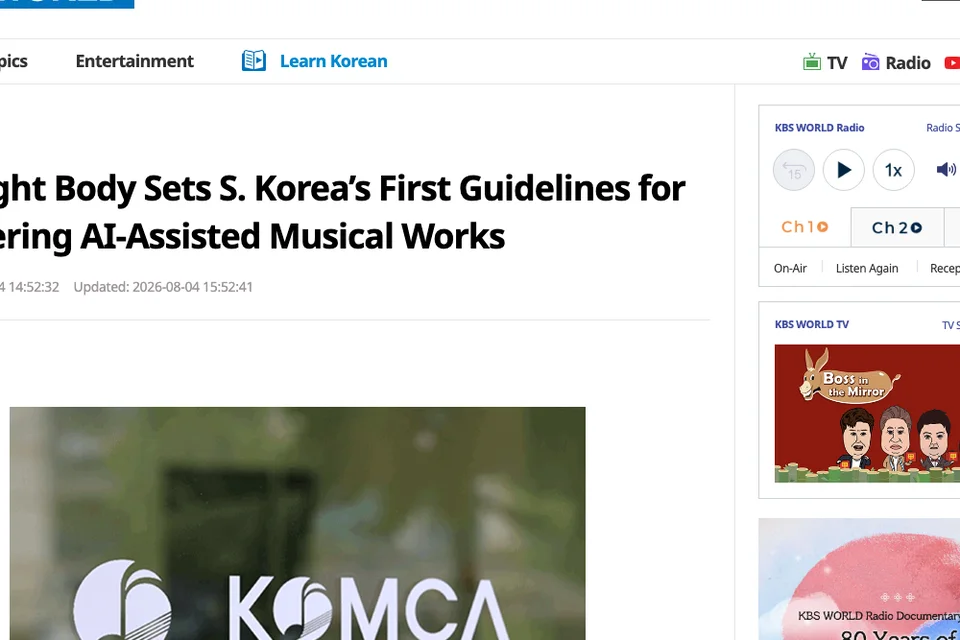
The collecting society reversed its August policy after government and parliamentary objections. AI-assisted works are blocked again while a broader standard is discussed.
The Massachusetts court allowed a DMCA anti-circumvention theory into the case. It did not rule that Suno pirated YouTube or lose the copyright lawsuit.
Label cases, independent class actions and voluntary dismissals are moving on different tracks. None has produced a final fair-use ruling.
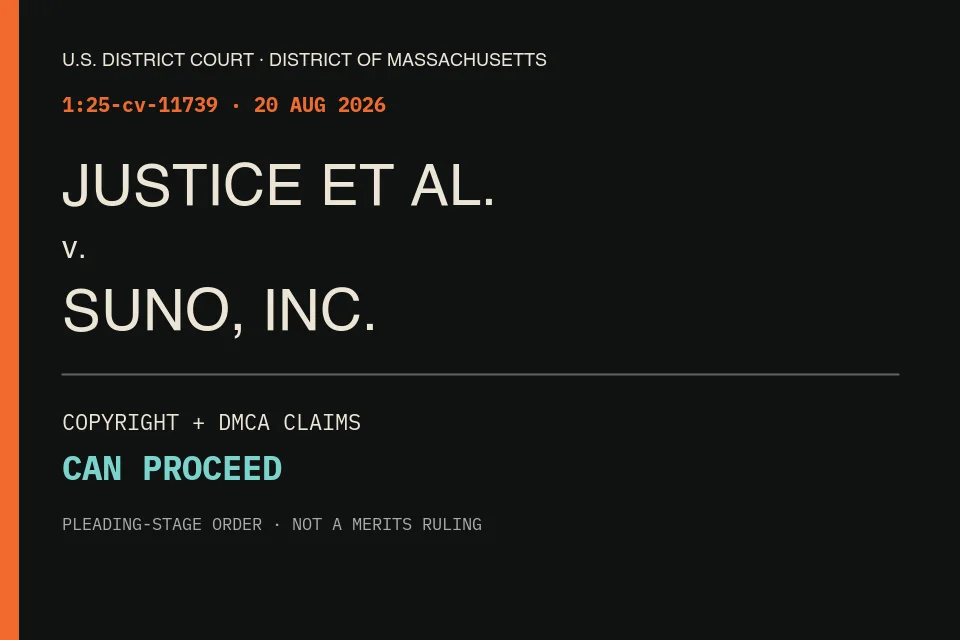
A Massachusetts judge kept the core copyright and DMCA claims alive while dismissing one state consumer-protection claim.