
Artists & culture
AI music is reaching audiences through very different kinds of authorship
A Bilan collaboration, Sweden's Jacub hit and a Yesenin adaptation show why “AI song” no longer describes one creative process.
AI-assisted
AI assisted with research organisation and drafting; the editor checked the published wording and claims against the linked sources.
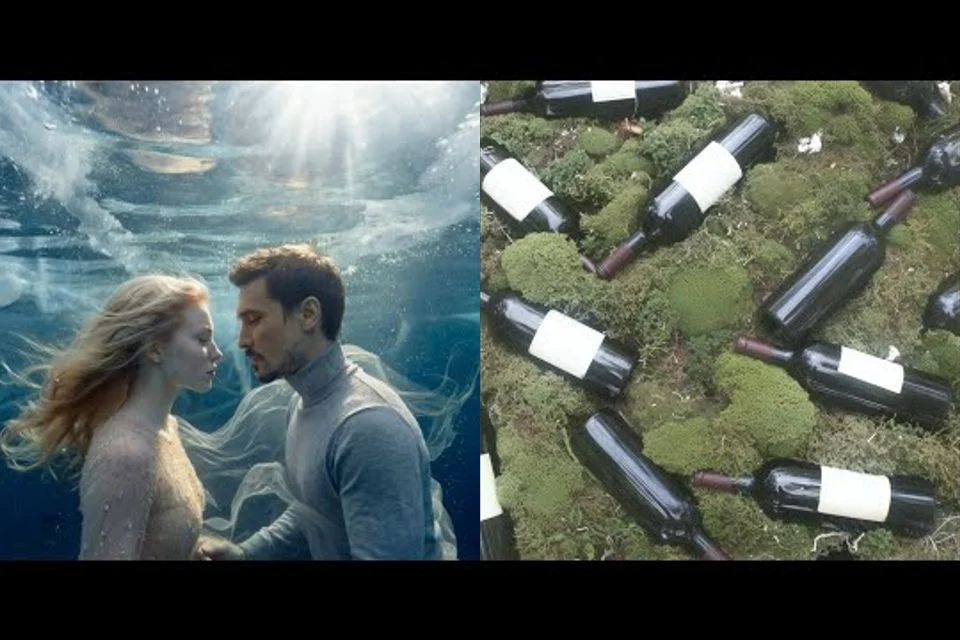
Dima Bilan and Sasha Komovich's “Невероятная” is presented as a collaboration between a recorded human performance and an AI-built visual and musical world. The official video description says Bilan recorded his vocal in a studio while Komovich developed the digital character, music and video production with AI tools. The release is useful because it names a division of labour instead of hiding every contribution behind the label “AI song.”
Swedish hit “Jag vet, du är inte min” sits elsewhere on that spectrum. Sveriges Radio reported that the Jacub voice was fully generated and named Lasse Persson and Mårten Winter among the people behind the project. Spotify kept the track in its own daily ranking, while the recording was excluded from IFPI's official Sverigetopplistan under its eligibility rules. The same release could therefore be a platform hit and ineligible for an industry chart.
In Russia, “Сыпь, гармоника!” used a public-domain poem by Sergei Yesenin and reached the top of Yandex Music and VK Music, according to Kommersant. Here the cultural hook was not a synthetic persona or a famous guest vocalist but the adaptation of familiar literature into a contemporary generated recording.
These releases should not be treated as one format. One foregrounds a named human singer, one uses a synthetic performing identity, and one builds recognition around an existing text. Useful coverage has to state who supplied the words, voice, composition, production and character — and which of those facts are confirmed — before arguing about whether the result belongs on a chart or in a catalogue.