
Artists & culture
Randy Travis's synthetic vocal began with another singer
Where That Came From combined James Dupré's guide performance, two archive-trained Travis models, months of manual editing and the artist's own approval.
AI-assisted
AI assisted with research organisation, structure and drafting; publication requires a human editor to check every claim against the linked sources.
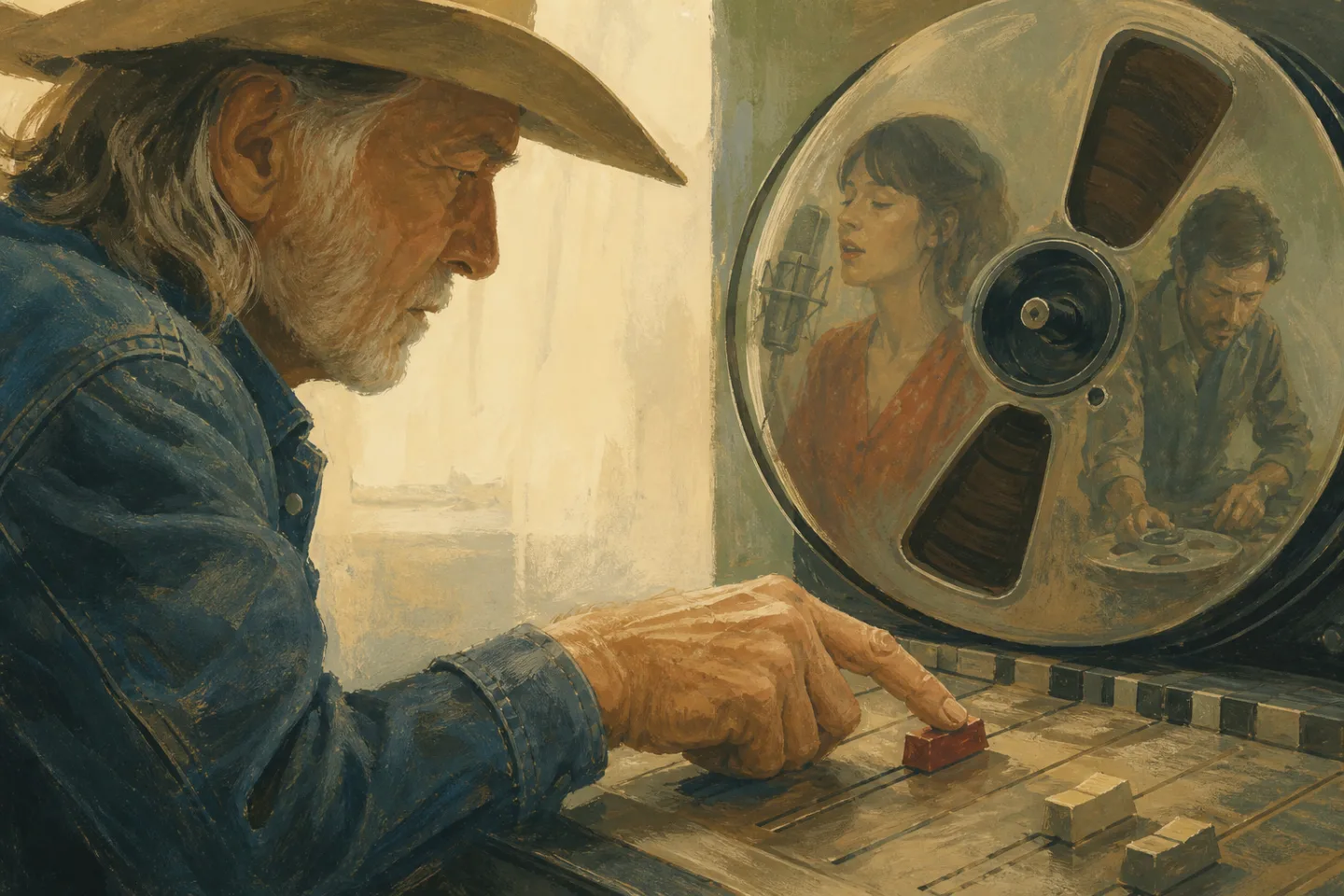
“Where That Came From” is often described as an AI song in Randy Travis's voice. That is technically true and editorially incomplete. The released performance depends on an archive, another singer, two voice models, months of manual editing and Travis's own decisions.
Travis suffered a major stroke in 2013 and lives with aphasia that severely limits speech and singing. When Warner Music Nashville proposed reconstructing his singing voice, the project began with his and his family's participation rather than with an unauthorized imitation released from outside his team.
Consent is the first important distinction in this case. It is not the last.
The model needed two human performances
The Associated Press reported that developers built two proprietary models from isolated Travis recordings: one using 12 vocal stems and another using 42 drawn from his career between 1985 and 2013. Those recordings supplied the vocal identity.
The new song still needed phrasing, timing and melodic movement. That came from a guide recording sung by James Dupré. Producer Kyle Lehning fed Dupré's performance into the models, which transferred characteristics of Travis's archived voice onto the guide.
Lehning told AP that the initial analysis took about five minutes and produced something he considered roughly 70 to 75 percent of the final result. That number does not mean the system completed three quarters of the creative work. It describes one producer's assessment of an early render before the editing that turned it into the released performance.
The first render was not the record
Lehning and engineer Casey Wood selected material from both models and changed vibrato, timing and the relaxation of individual phrases. Warner Music's release account describes months of work with Travis, shaping the vocal millisecond by millisecond.
That manual layer matters because a recognizable timbre is not yet a convincing performance. Country phrasing can sit behind the beat, soften a consonant or release a note in ways that define a singer as strongly as the raw vocal colour. The guide, model and editor each affect a different part of the result.
A five-part performance ledger
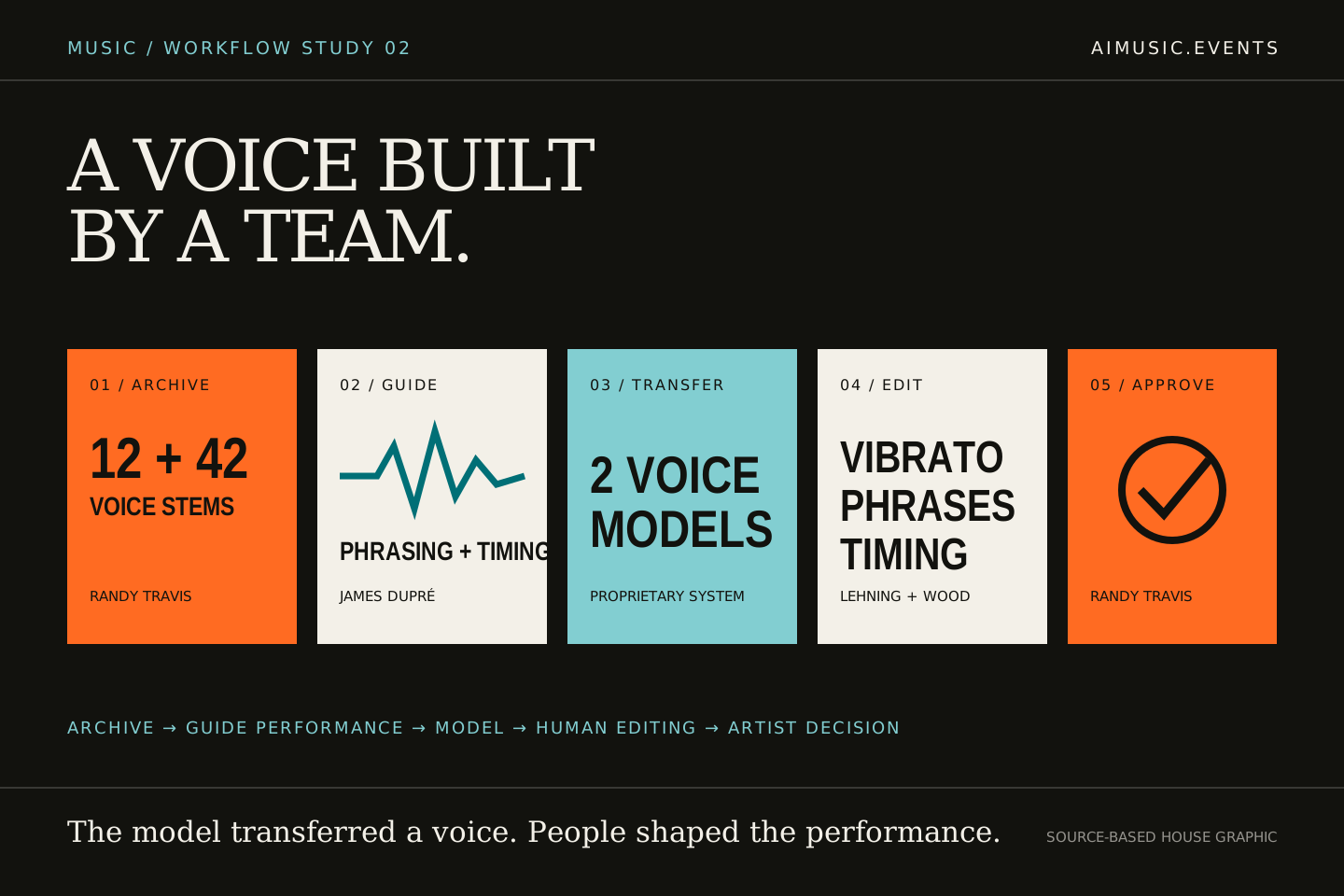
| Stage | Documented contribution |
|---|---|
| Vocal identity | Randy Travis archive recordings |
| Guide performance | James Dupré supplied phrasing, timing and melody |
| Voice transfer | Two proprietary models built from 12 and 42 Travis stems |
| Performance editing | Kyle Lehning and Casey Wood selected and adjusted the generated vocal |
| Direction and approval | Randy Travis participated in listening and release decisions |
CBS Sunday Morning showed Travis listening with the team and described his continuing role in the decision-making. That does not turn him into the physical singer of the new guide vocal. It establishes that the subject of the reconstructed voice was present and involved.
Approval does not answer every rights question
The public accounts clearly document Travis's approval and the named creative team. They do not publish the proprietary model, the underlying agreement or the full contractual terms governing Dupré's guide recording. A transparent process description should not invent those missing details.
This is why “consensual AI voice” is a useful label but not a complete credit. Consent by the person whose voice is reconstructed answers one central question. The archive source, guide performer, model operator, editors, songwriters and release decision still need their own lines.
“Where That Came From” is strongest as a production case not because it proves AI voice transfer is inherently good, but because it makes several human dependencies unusually visible. The model transferred a voice. People shaped the performance.