
Artists & culture
Bette Midler and Tyrese hear opposite futures in the same AI song
Midler called IngaRose's “Celebrate Me” cultural genocide. Tyrese Gibson defended the track. Their argument turns on a label that hides the split between human-written lyrics and synthetic performance.
AI-assisted
AI assisted with research organisation and drafting; the editor checked the published wording and claims against the linked sources.
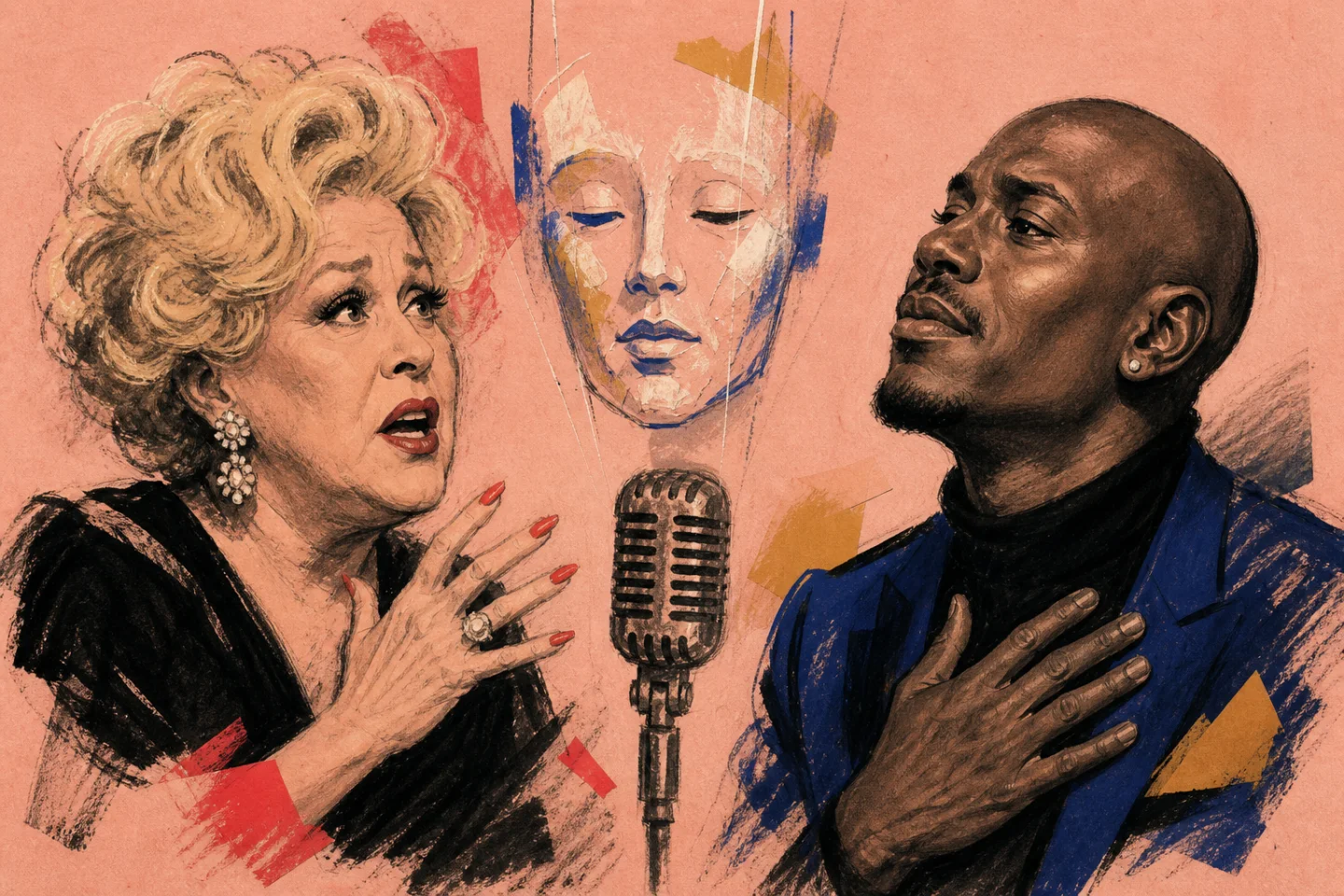
Bette Midler and Tyrese Gibson have taken opposing positions on “Celebrate Me,” the viral R&B song released under the synthetic persona IngaRose.
Midler praised the song's effect but described generative AI in music as “cultural genocide,” arguing that systems absorb the phrasing and feeling of human performers without compensating them. Gibson replied in the comments that AI is not going away, said the song had inspired him and challenged human artists to make something better.
One argument, several kinds of authorship
IngaRose's public account separates the roles that the argument compresses. The profile describes the lyrics as human-written and the music as made and refined with Suno. The released singer is not a disclosed human performer.
The track raises at least three questions: who wrote the words, how the arrangement was generated and whose vocal qualities the synthetic performance may resemble. Midler argues about training and compensation. Gibson judges whether the finished song communicates.
“Celebrate Me” reached number one on the US iTunes chart and several other national iTunes charts in April, according to Forbes. By August, established performers were judging the synthetic record as culture: its writing, training, compensation and emotional effect.