Billboard plans to identify AI music in charts and editorial coverage
The publisher is testing detection tools and asking creators and industry partners to disclose AI use. The announcement is a transparency commitment, not a chart ban.

Important releases, creative work, rights decisions and industry shifts — explained clearly and linked to the original sources.
The publisher is testing detection tools and asking creators and industry partners to disclose AI use. The announcement is a transparency commitment, not a chart ban.
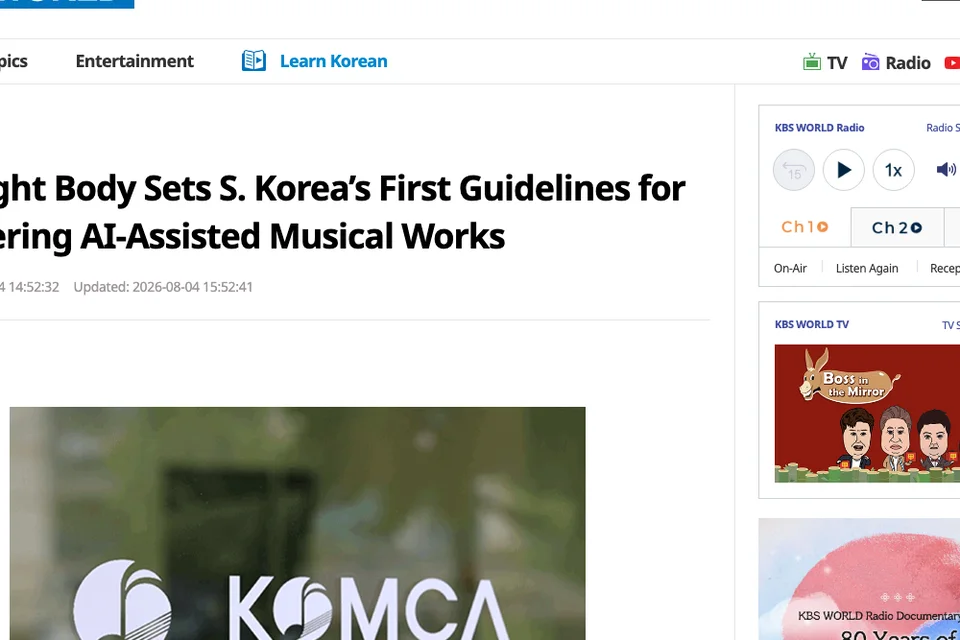
The collecting society reversed its August policy after government and parliamentary objections. AI-assisted works are blocked again while a broader standard is discussed.
All three major music groups joined the generative-media company's Series B. The announcement names the investors but does not disclose their individual stakes or a valuation.
The Massachusetts court allowed a DMCA anti-circumvention theory into the case. It did not rule that Suno pirated YouTube or lose the copyright lawsuit.
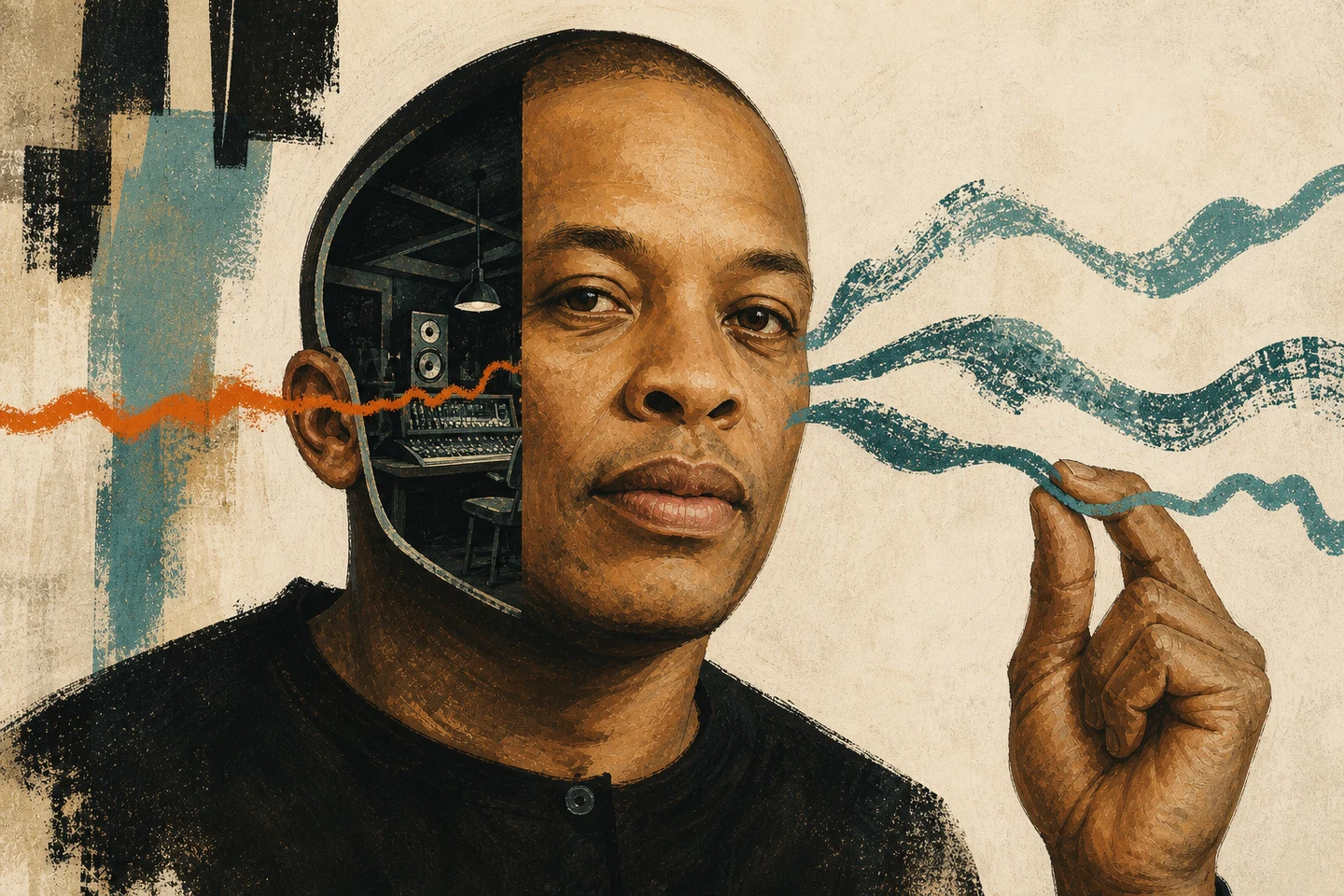
The producer feeds AI work he has already made to test what it might change. That is more specific, and more useful, than simply calling a record “AI-assisted.”
New work tests instruction following, song rewards, cultural understanding, audio fidelity, deepfake detection and the hidden layers used for music analysis.
New studies examine musical sameness, broadcast detection, mixed AI stems and edited-audio false positives. Together they argue against one universal detector score.
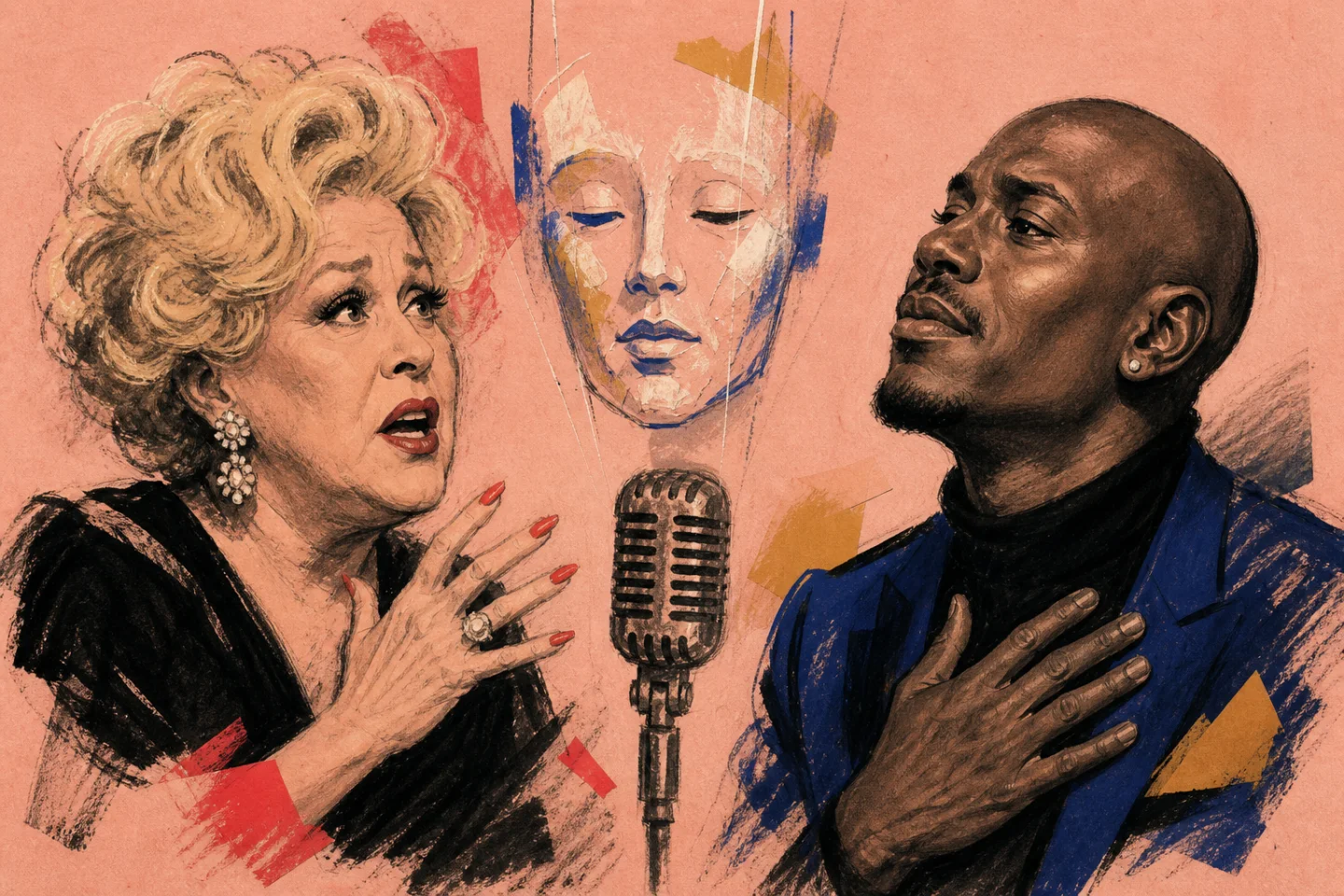
Midler called IngaRose's “Celebrate Me” cultural genocide. Tyrese Gibson defended the track. Their argument turns on a label that hides the split between human-written lyrics and synthetic performance.
The community project asks creators to represent countries with songs made in Suno or Udio, then puts the entries through public voting and a final.
A coming-soon service will turn tracks from a Suno library into a custom 12-inch record for about $45 plus shipping.
Label cases, independent class actions and voluntary dismissals are moving on different tracks. None has produced a final fair-use ruling.
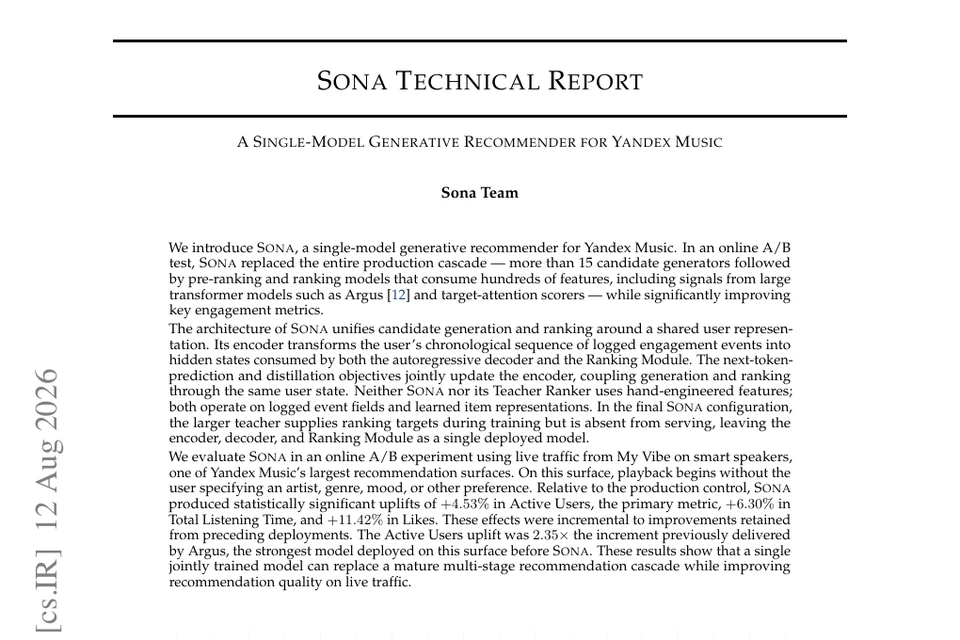
One generative recommendation model beat the existing My Vibe stack in a smart-speaker test, according to a new technical report.
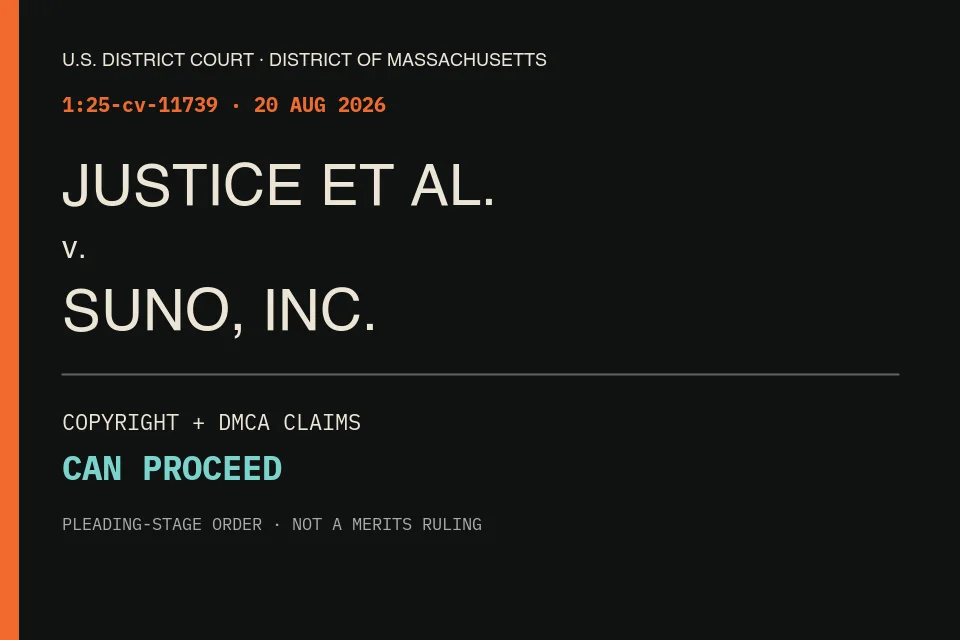
A Massachusetts judge kept the core copyright and DMCA claims alive while dismissing one state consumer-protection claim.