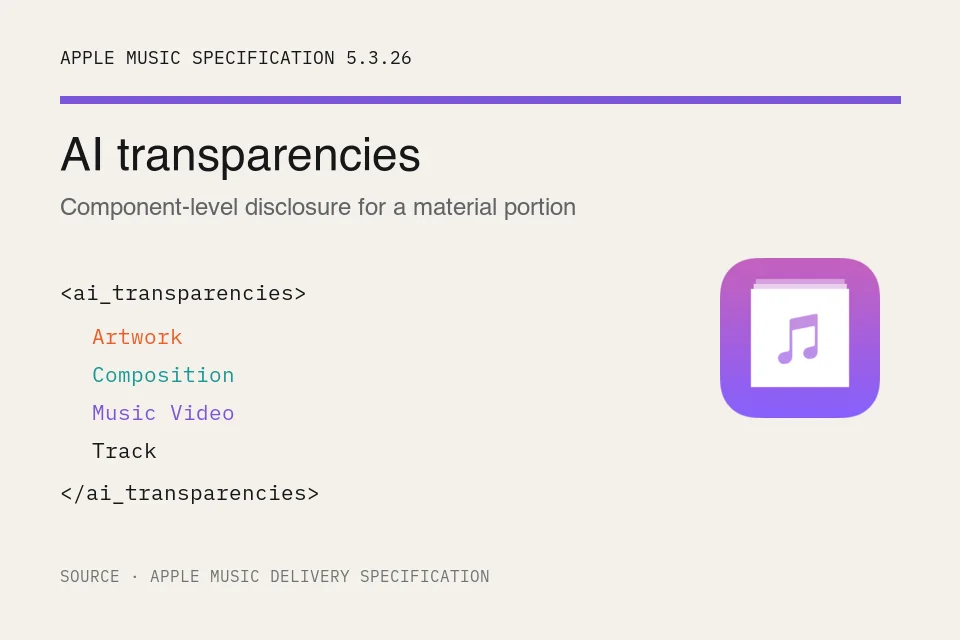
Apple Music is preparing visible labels for AI-generated content
Apple's delivery specification already has structured AI metadata. Providers have now been told that public-facing labels are coming later in 2026.

Important releases, creative work, rights decisions and industry shifts — explained clearly and linked to the original sources.
Apple's delivery specification already has structured AI metadata. Providers have now been told that public-facing labels are coming later in 2026.
AI Persona badges start appearing in September. Spotify says it will review profiles as well as accept self-disclosure, and will not recommend those artists unless listeners follow them.
The publisher says hundreds of controlled works were used without authorization. The complaints add a separate composition-rights front to the continuing AI training disputes.
Participating BMG artists and songwriters are promised consent and compensation as Suno prepares its first model developed with music-industry partners.
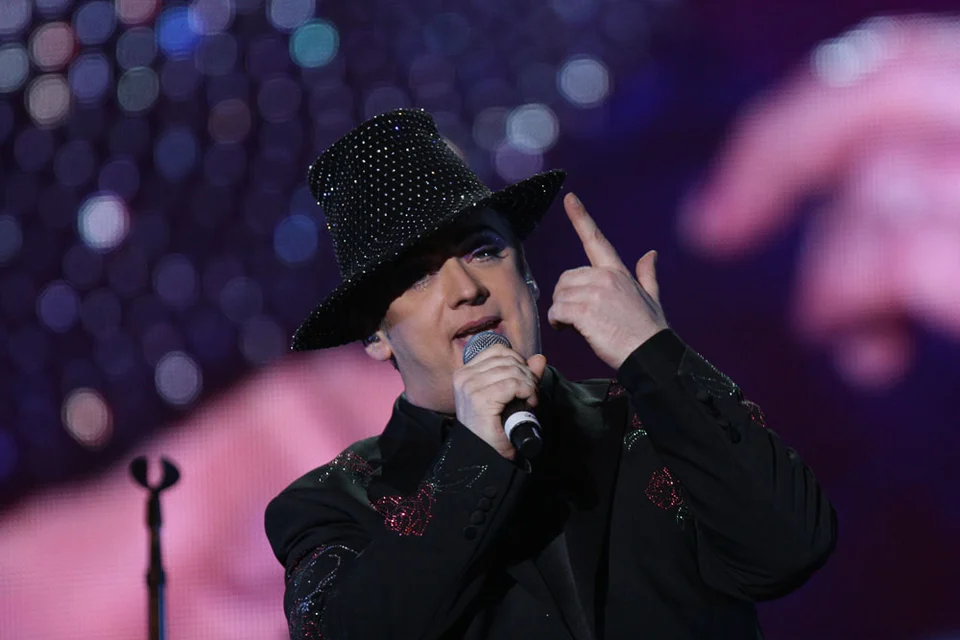
The singer disclosed AI use on We Will Dance Again. Bandcamp removed the track, and he later said bandmates unwilling to perform it would be fired.

The Indian label sees inexpensive generated visuals as a way to refresh recordings whose original film footage it does not own.
The label group is moving from lawsuits and licensing principles toward paid products with Suno, Udio, Stability AI and Klay.
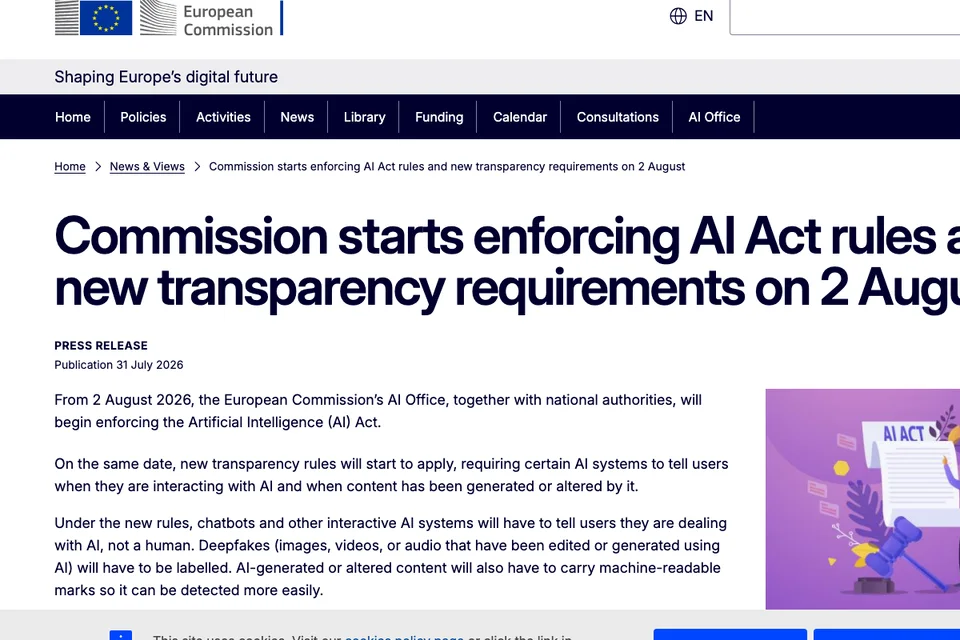
Article 50 now applies. Providers must machine-mark synthetic audio, while public disclosure depends on who deploys it and how it is used.

The first-instance decision says Suno needed licenses for the GEMA works examined by the court. Suno has indicated that it may appeal.

The AFM’s cases against Universal and Warner ask who gets paid when recordings are licensed for model training.

PLAI bundles 178,000 audio files with metadata, composition rights and master rights; transcription company Klangio is the first customer.

The Canadian rights organization and Musical AI will test recognition technology on a limited set of generated outputs.

The new complaint covers recordings a judge did not allow Sony to add to the original case. The claimed scale is large; the allegations remain untested.