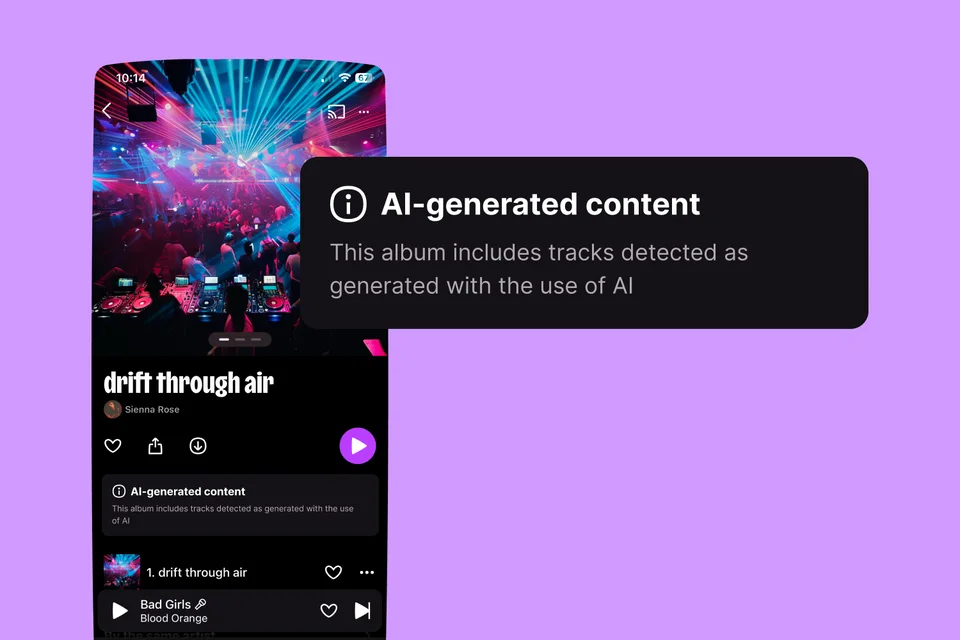
AI-generated tracks pass half of Deezer's daily uploads
Deezer says roughly 90,000 fully generated tracks arrived per day at the June peak — an upload statistic, not a measure of listening.

Important releases, creative work, rights decisions and industry shifts — explained clearly and linked to the original sources.
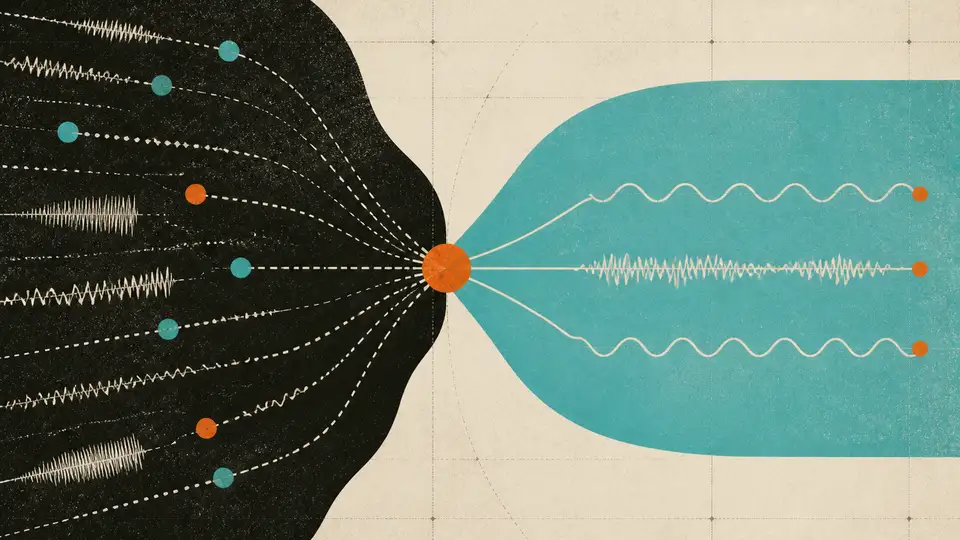
Deezer says roughly 90,000 fully generated tracks arrived per day at the June peak — an upload statistic, not a measure of listening.

The Canadian rights organization and Musical AI will test recognition technology on a limited set of generated outputs.
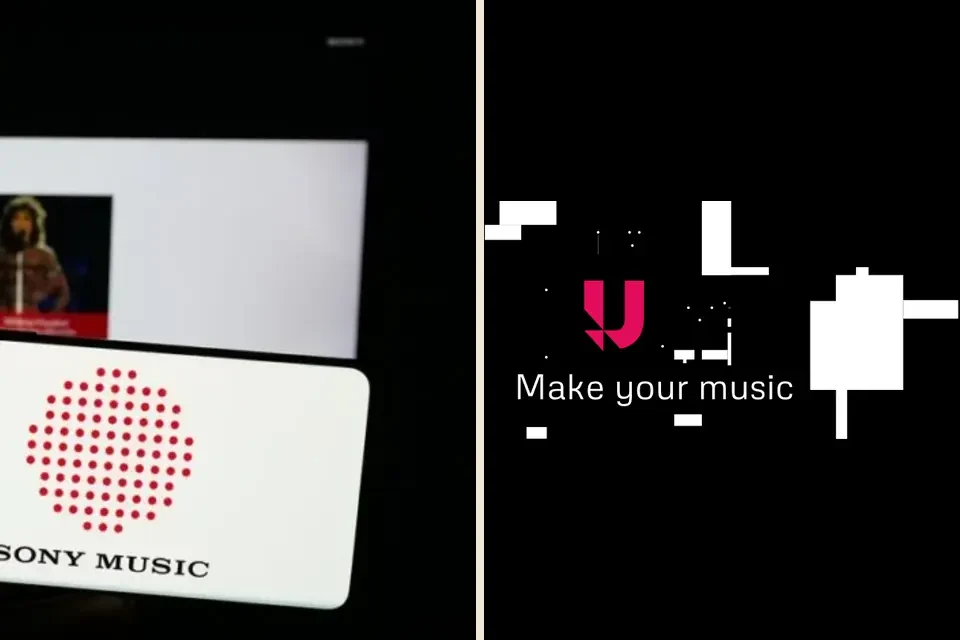
The new complaint covers recordings a judge did not allow Sony to add to the original case. The claimed scale is large; the allegations remain untested.
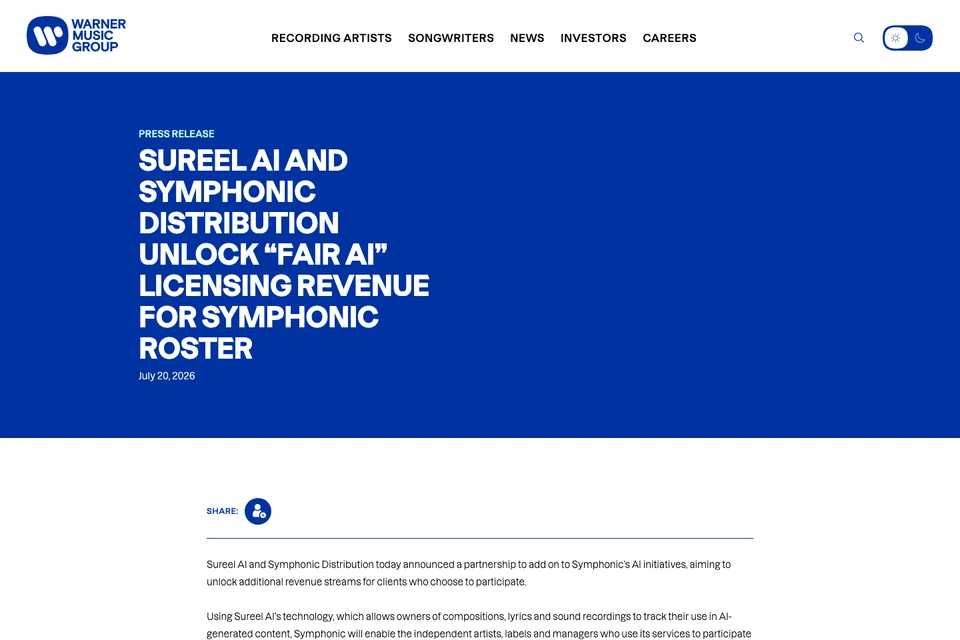
A partnership with Sureel AI promises permissions, tracking and contribution-based payments. The design is promising; its performance still needs evidence.

The Office of AI promises strong copyright protections for Australian creators. The political position is clear; the licensing and enforcement mechanisms are not.
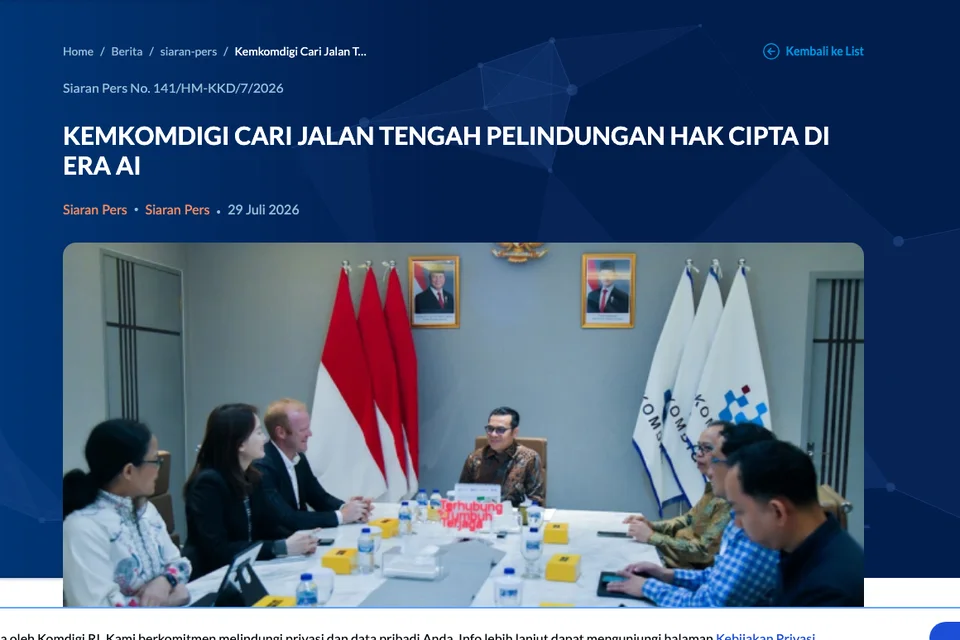
The draft would require disclosure, protect sufficiently human AI-assisted work and restrict imitation of a creator's distinctive style.
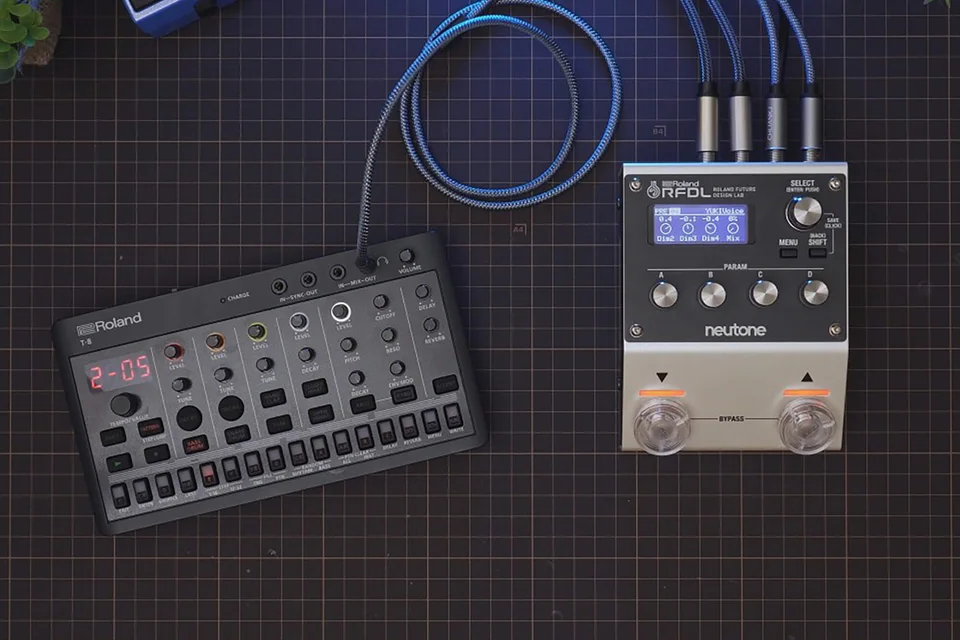
Project LYDIA is a hardware prototype for building and performing with neural audio models without a laptop on stage.
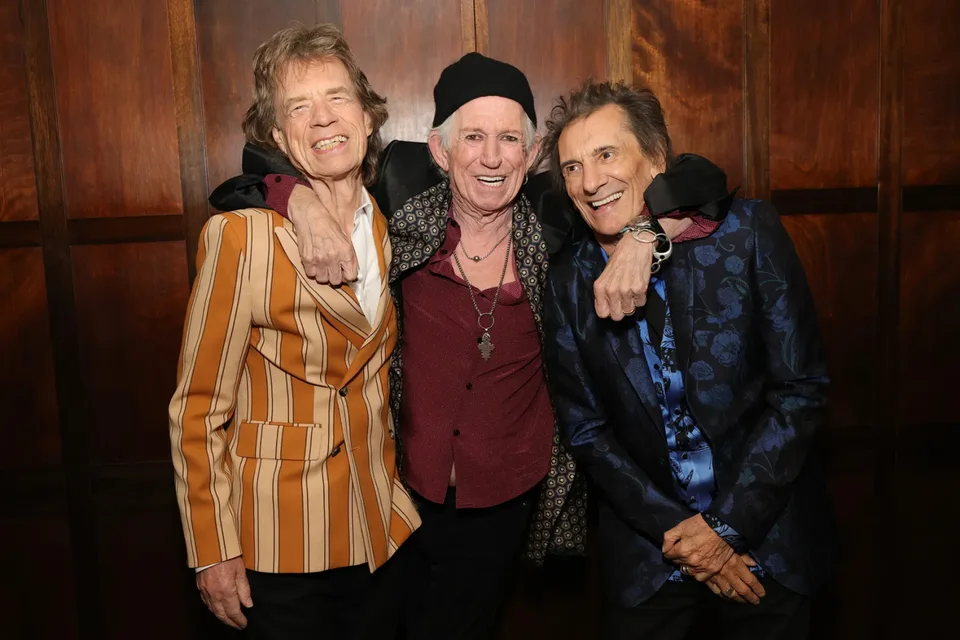
Mick Jagger and Keith Richards accept AI as a creative tool, but reject systems that manufacture a new song in their style or voice.
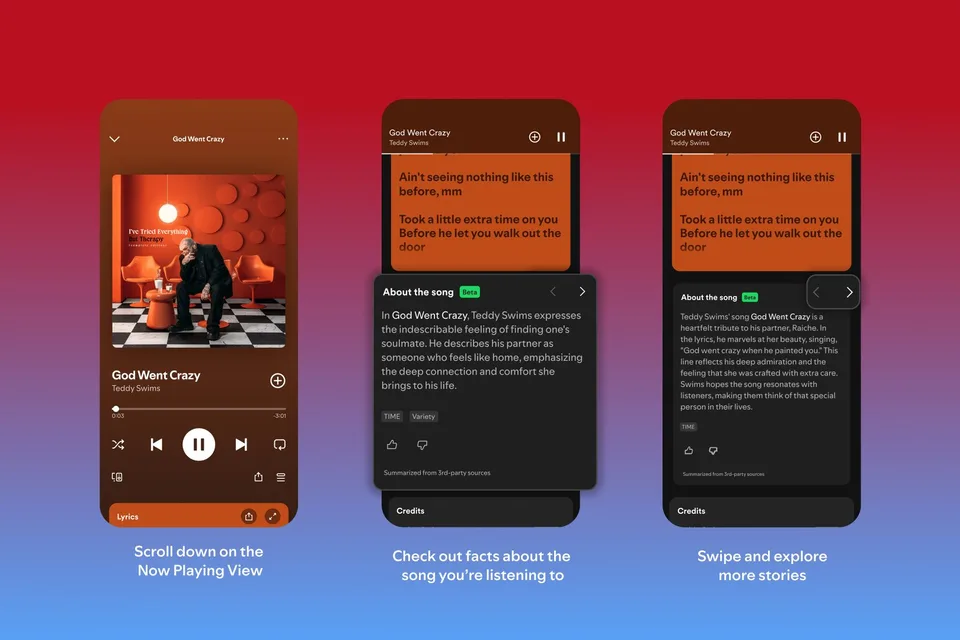
About the Song attached the wrong concert story to “Current Affairs.” The correction fixed one card, not the product's larger authorship problem.
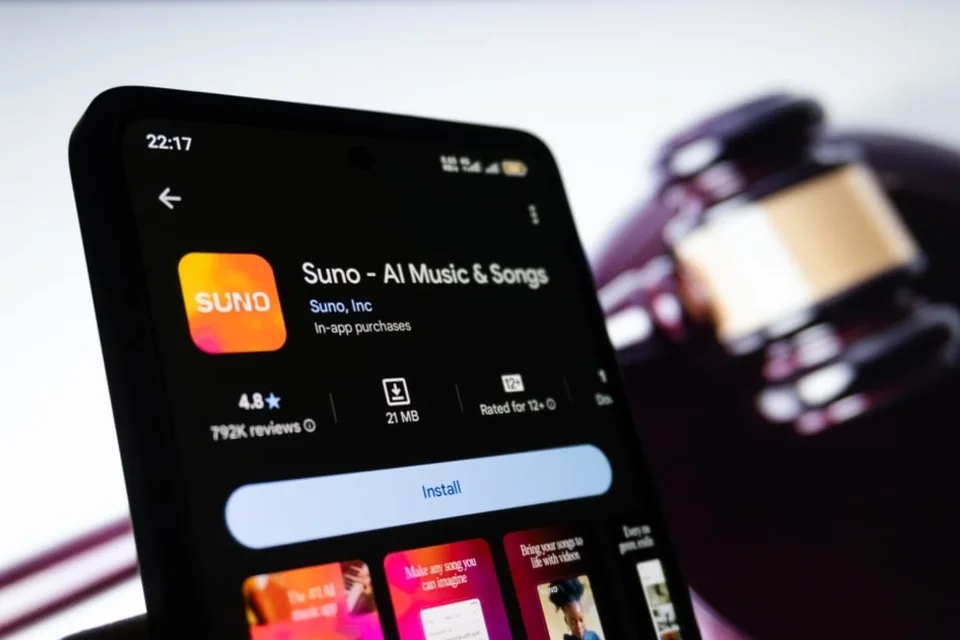
Reporting based on leaked code points to YouTube Music, Deezer, Genius and several public audio libraries. The breach also affected customer information.

The Cologne programme put rights attribution, cultural diversity, teaching and open-source practice alongside product demonstrations.

Aiode builds audio-to-audio parts from recordings made with session musicians — a different starting point from prompt-to-song generation.
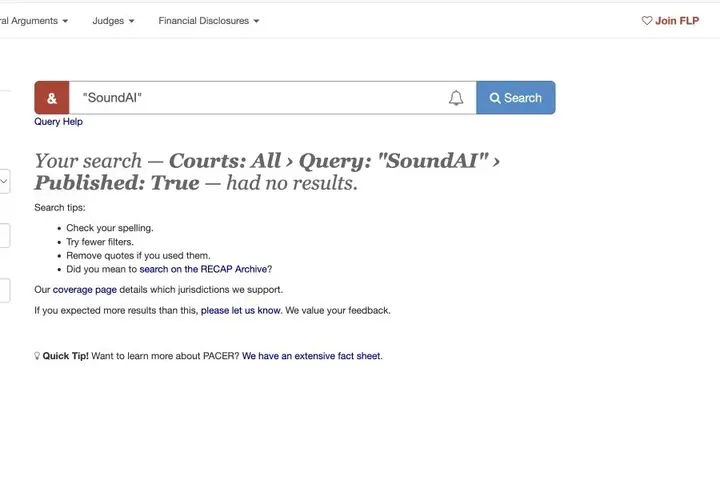
"Bartz v. SoundAI" is cited across AI-music explainers as a Second Circuit fair-use precedent. It does not exist. We checked every docket.