TIDAL's AI policy takes effect — labels on, royalties off for fully AI tracks
From today, TIDAL labels music it determines is wholly AI-generated and removes it from royalty attribution.

Important releases, creative work, rights decisions and industry shifts — explained clearly and linked to the original sources.
From today, TIDAL labels music it determines is wholly AI-generated and removes it from royalty attribution.
BuyDRM's KeyOS MultiKey service will encrypt Udio streams across Widevine, FairPlay and PlayReady. The deal protects playback; it does not by itself add watermarking or settle rights questions.

AI.LOVE.JAZZ selected fifteen tracks for human performance during the Montreux Jazz Festival — a more interesting test than another playlist of model outputs.
IFPI, RIAA, A2IM, WIN, IMPALA, the Recording Academy, SAG-AFTRA and the Human Artistry Campaign announced two track-level labels. Implementation is the missing chapter.
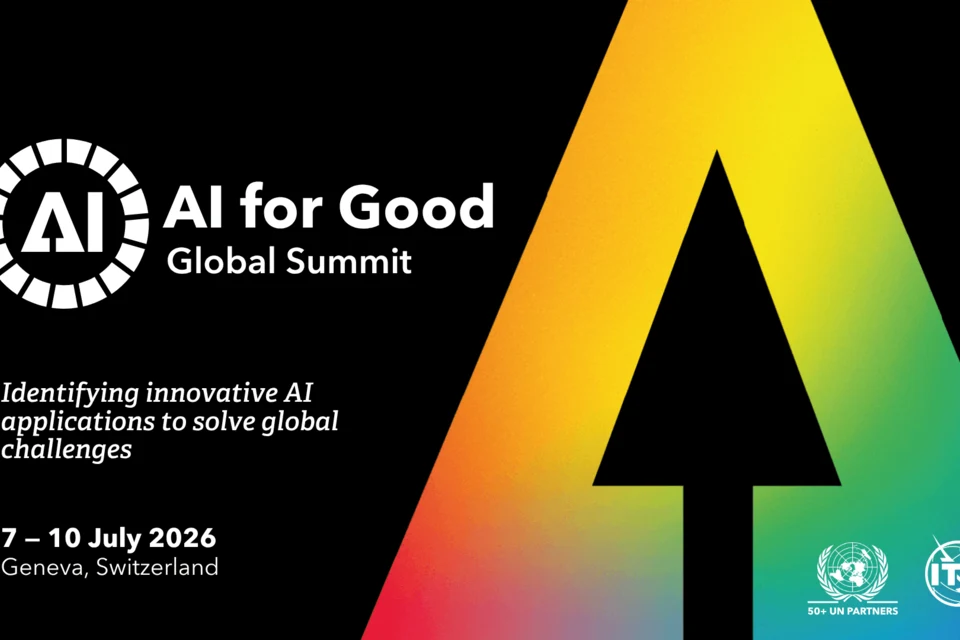
Artists, labels and technology companies shared one Geneva stage, showing that AI music is becoming a public-policy subject rather than a specialist product demo.
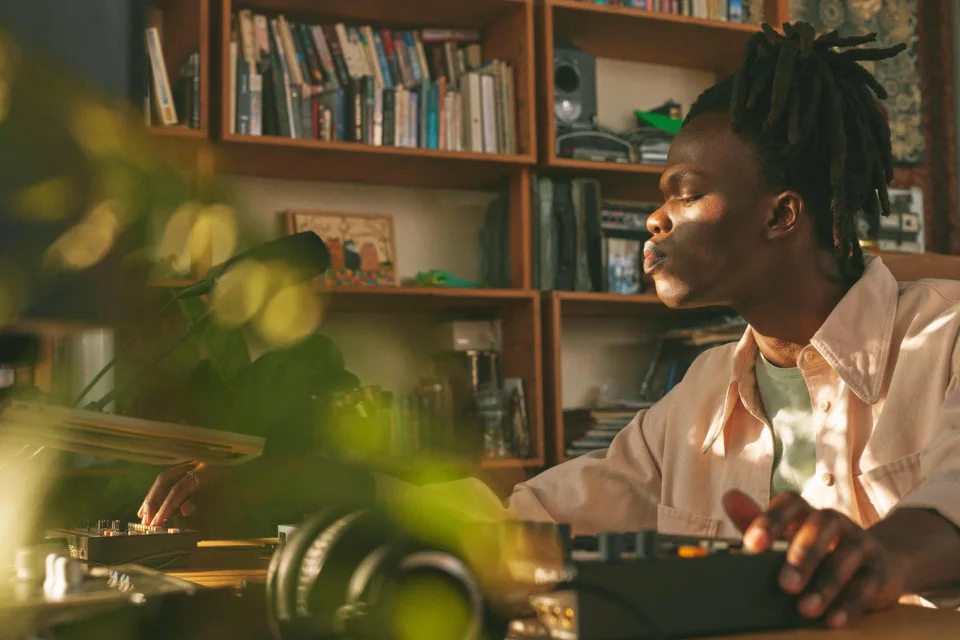
More than 30,000 artists have joined Fair Trade AI, but the details show why “opt out any time” needs careful reading.

Kyutai's open transcription system separates instruments into MIDI, sheet music and tablature, with code and model weights available under different licences.
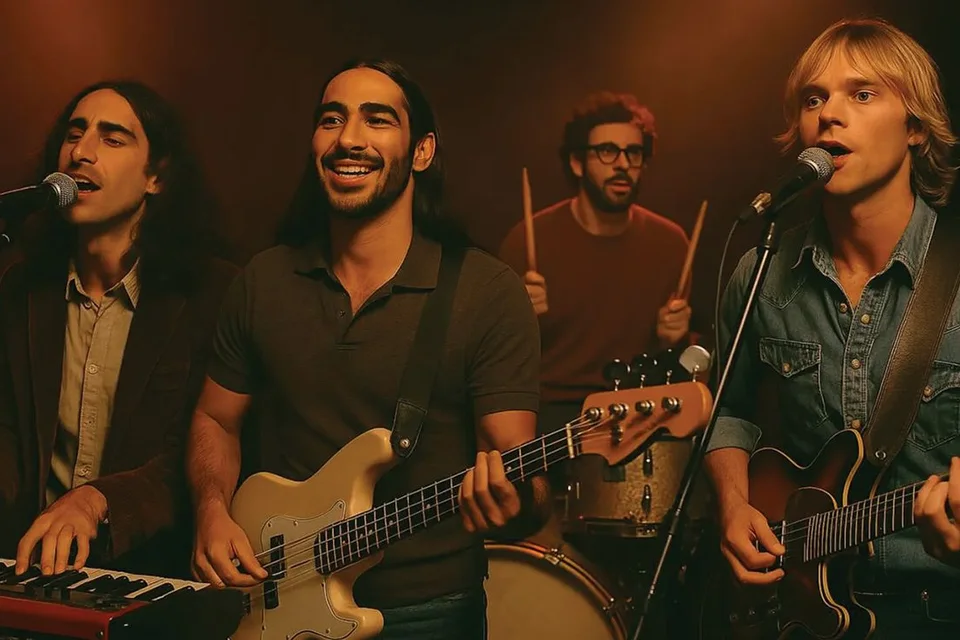
The Bootleg Velvet Sundown turns an AI-band controversy into a deliberately physical tribute act — and says its proceeds will support musicians.
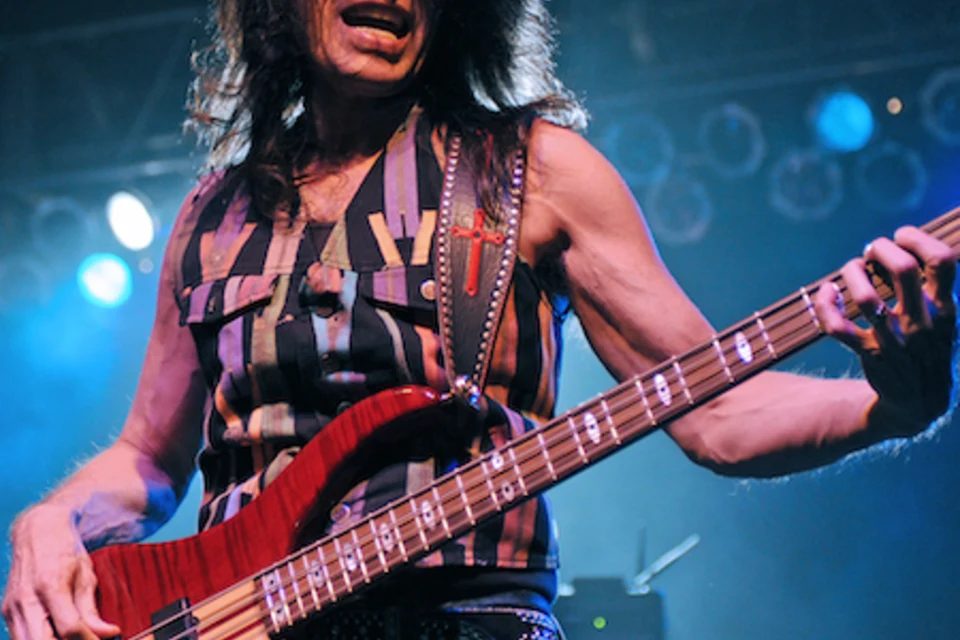
The bassist says he supplied demos and direction, then used Suno for vocals and instrumentation — a concrete example of an established musician adopting generation.
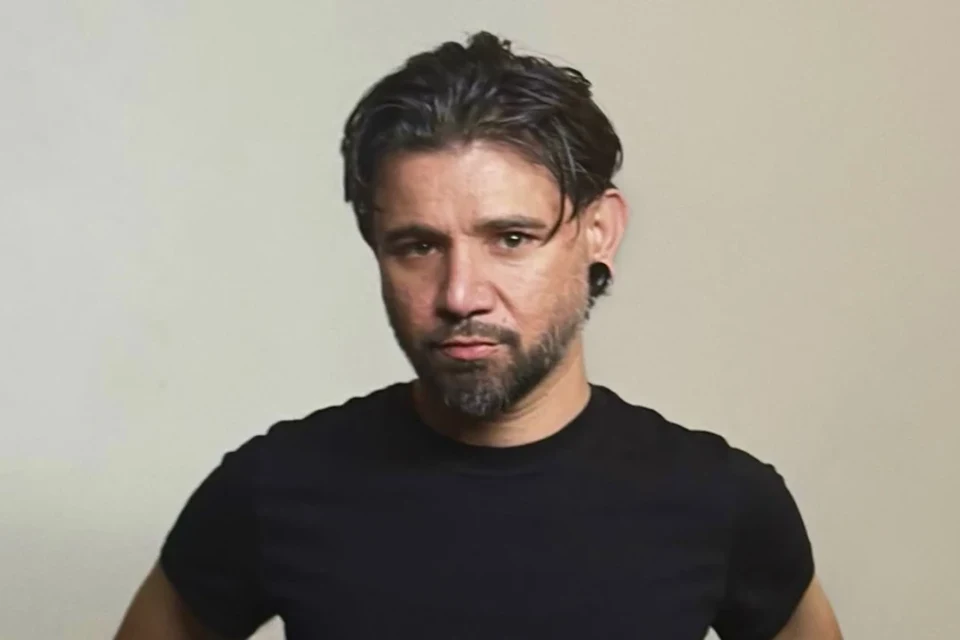
The producer's rare interview offered a useful cultural argument about AI music without pretending the tools will disappear.
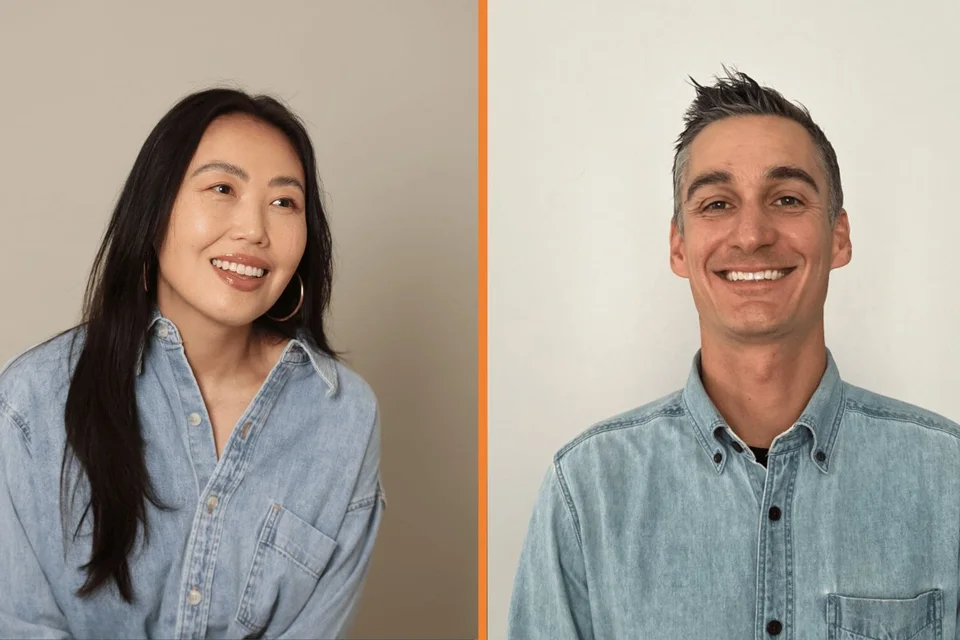
Former Atlantic and YouTube executives now lead artist marketing and business development as Suno moves closer to the traditional industry.

His examples range from rebuilding backing vocals to a planned duet between a singer and her five-year-old voice.

The Kappa FuturFestival performance used generative video to transform source footage in real time, rather than asking AI to replace the set.