Munich court rules for GEMA in its copyright case against Suno
The first-instance decision says Suno needed licenses for the GEMA works examined by the court. Suno has indicated that it may appeal.

Important releases, creative work, rights decisions and industry shifts — explained clearly and linked to the original sources.
The first-instance decision says Suno needed licenses for the GEMA works examined by the court. Suno has indicated that it may appeal.

Shift Up disclosed that the Stellar Blade: Blood Rain video was regenerated with AI support, but viewers questioned why a major studio used it.
Lyrics editing, song length, iMessage access and cover-art iteration arrived across the month — small workflow changes rather than one headline model launch.
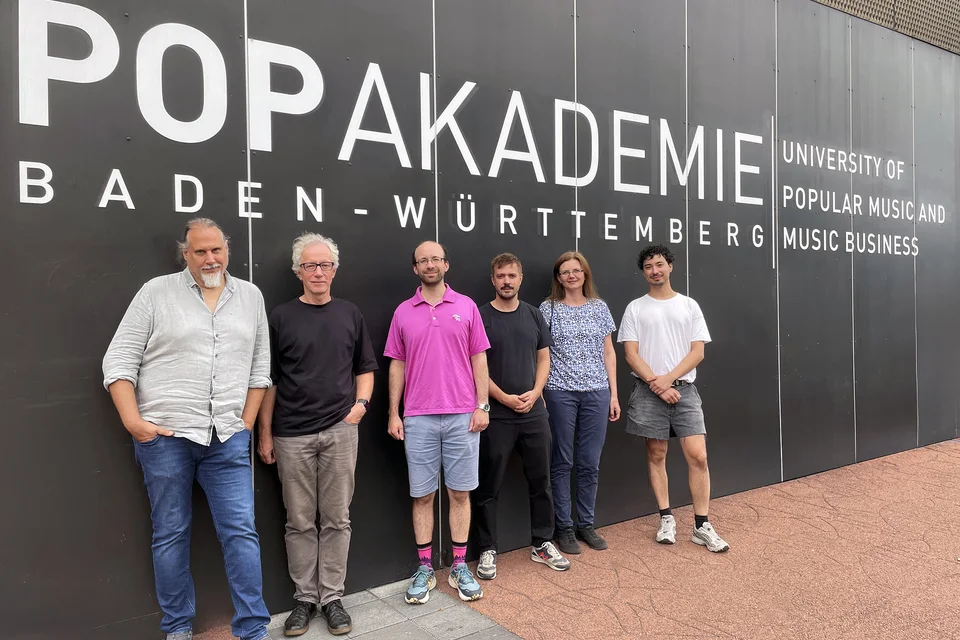
Fraunhofer IDMT and Popakademie Baden-Württemberg will study production, distribution, licensing, culture and policy through 2036.
Google's new song model promises stronger lyrics, vocals and musical control, but its public evidence is still mostly comparative rather than numerical.
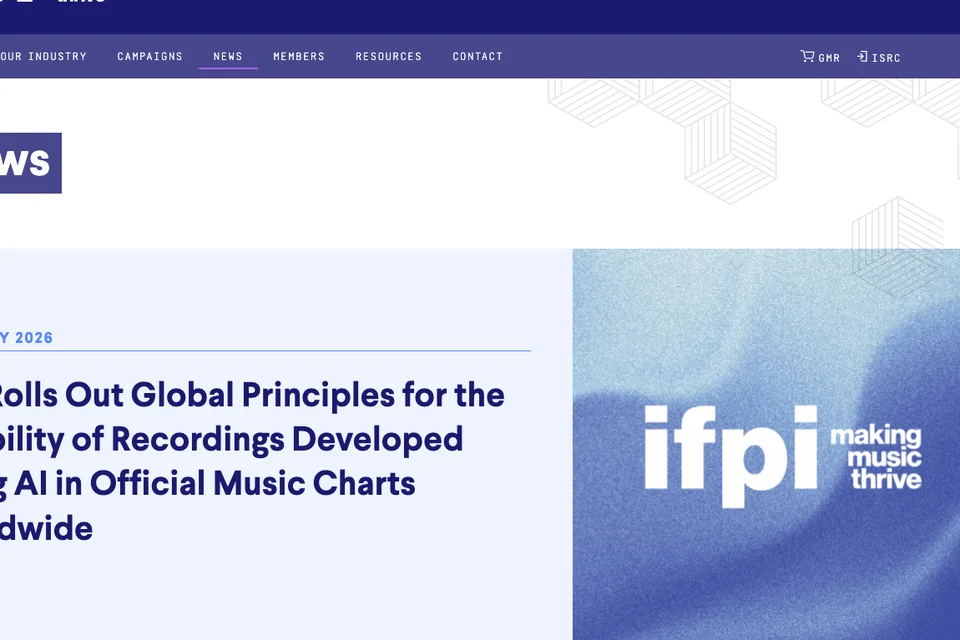
IFPI's global principles keep AI-assisted recordings eligible, but require lawful services, substantial human creation and honest disclosure.
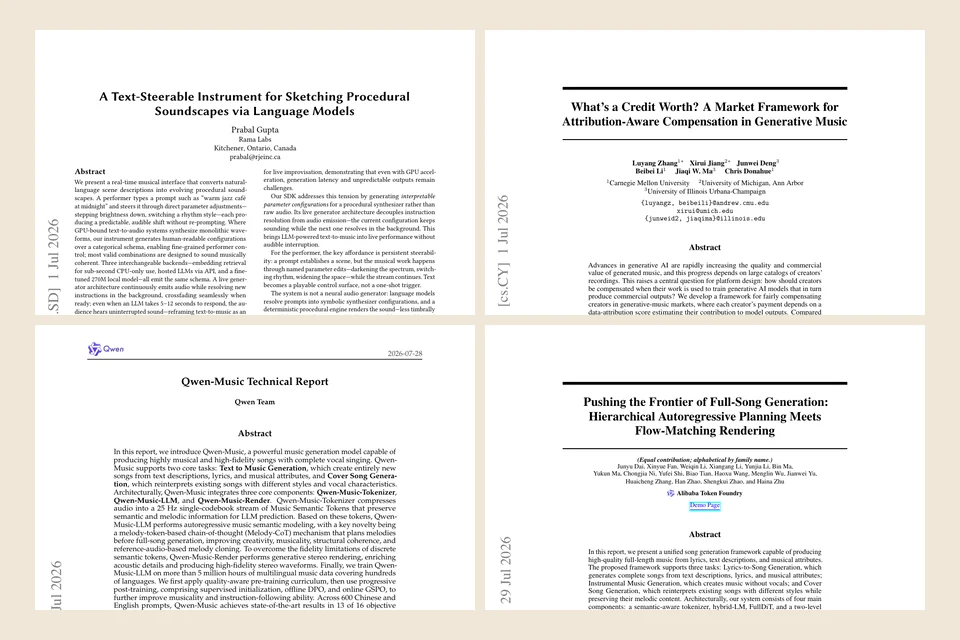
New work explored playable soundscapes, compensation signals, low-data training, structured composition and full-song rendering.

Artists must now answer separate questions about artwork, recordings, composition and identity before distribution.

The AFM’s cases against Universal and Warner ask who gets paid when recordings are licensed for model training.

The producer's behind-the-scenes clip makes voice transformation visible — and underlines why precise credits matter.

Concatenator helped reshape a studio jam for “No One Lasts Forever,” illustrating a quieter and more practical form of AI-assisted production.

PLAI bundles 178,000 audio files with metadata, composition rights and master rights; transcription company Klangio is the first customer.
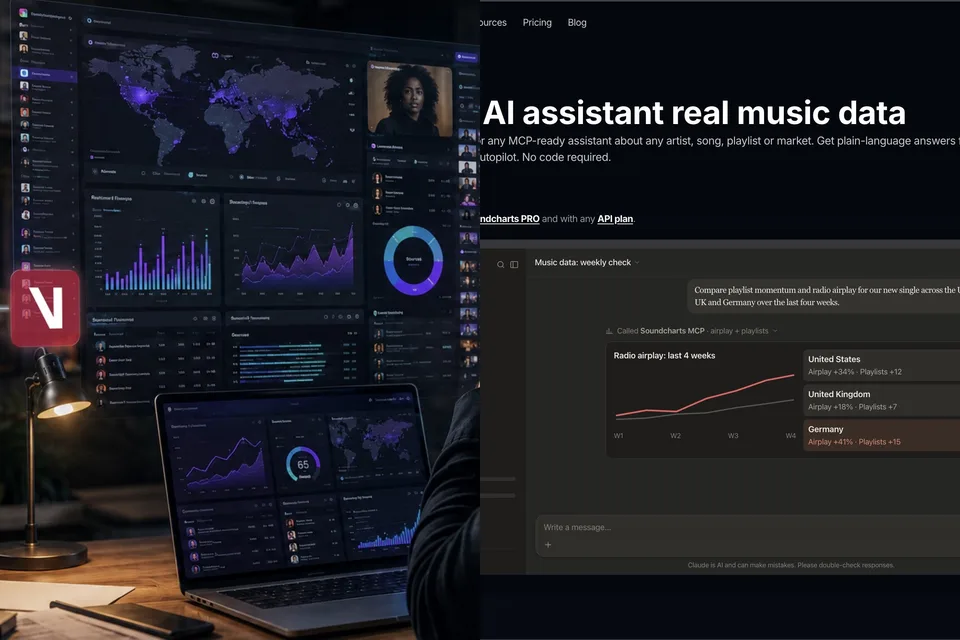
Viberate and Soundcharts opened structured music data to conversational assistants. The shift could change A&R and marketing without generating a single note.