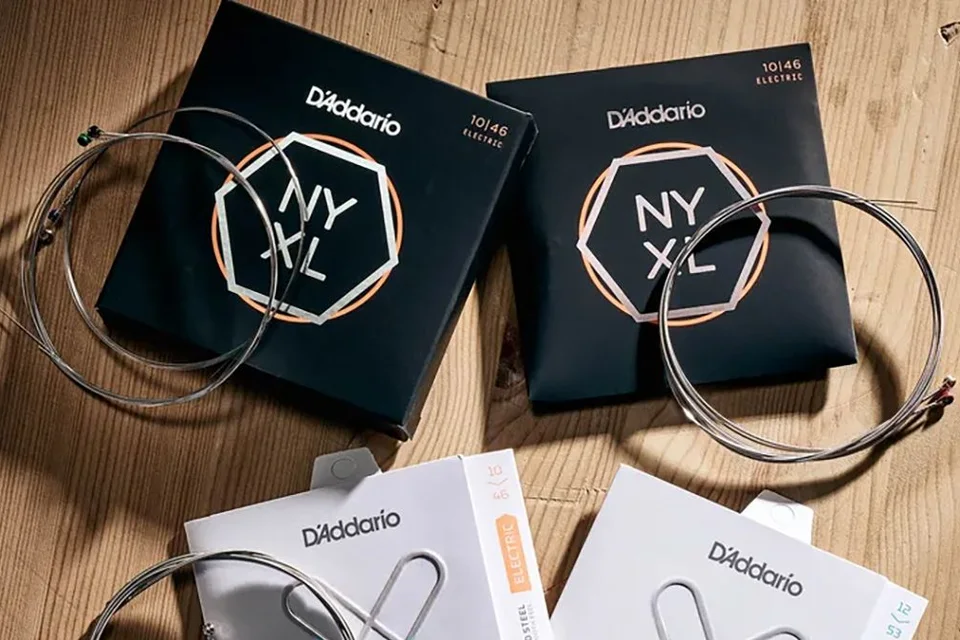
D’Addario admits Suno was used in a guitar-string demo
The company first denied generative AI was involved, then acknowledged that Suno Studio regenerated the music.

Important releases, creative work, rights decisions and industry shifts — explained clearly and linked to the original sources.
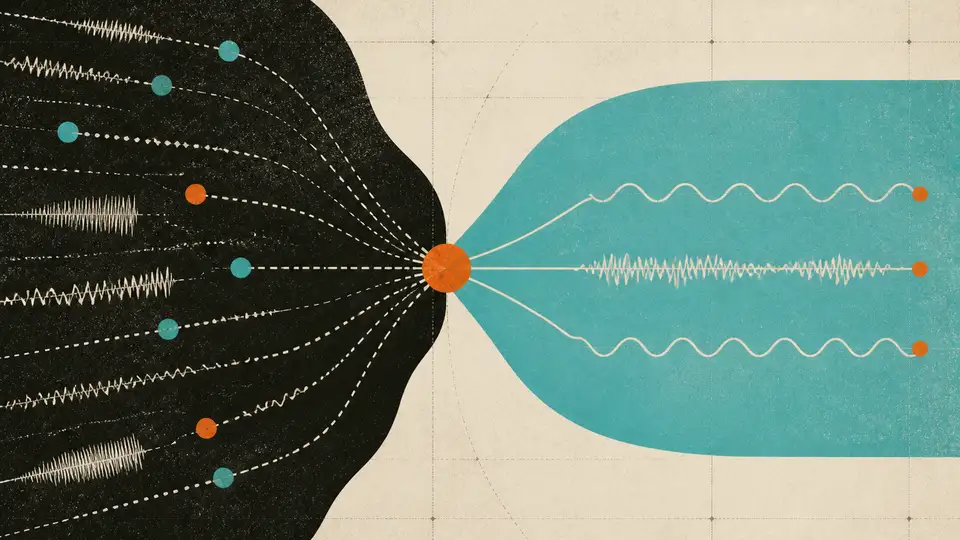
The company first denied generative AI was involved, then acknowledged that Suno Studio regenerated the music.
The September terms update changes how often songs can be downloaded and prepares a transition to models developed with industry partners.
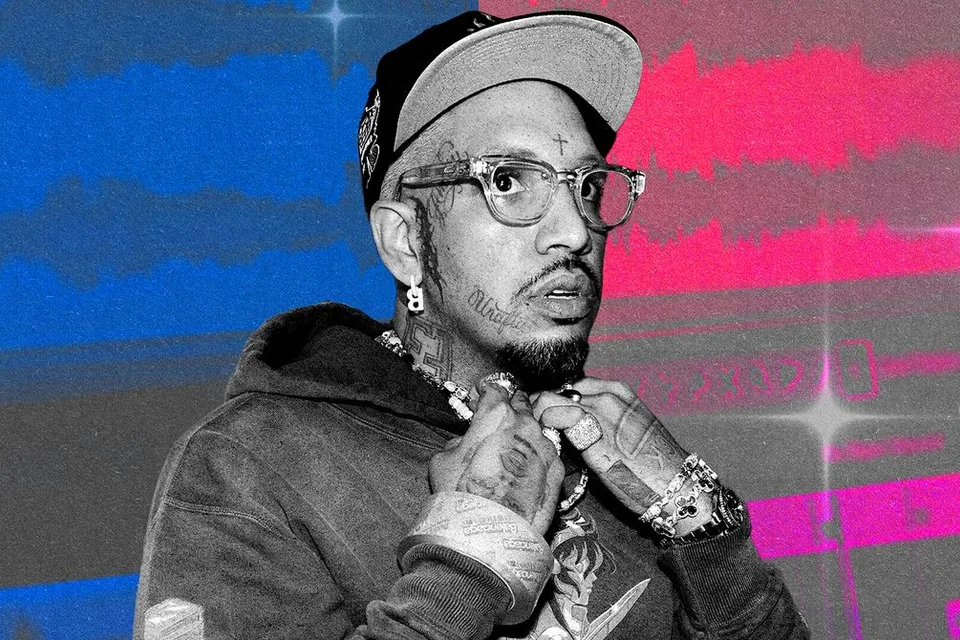
The Hot 100 hit moved from denial to a partial acknowledgment. What AI made, who directed it and what survived into the release remain unanswered.
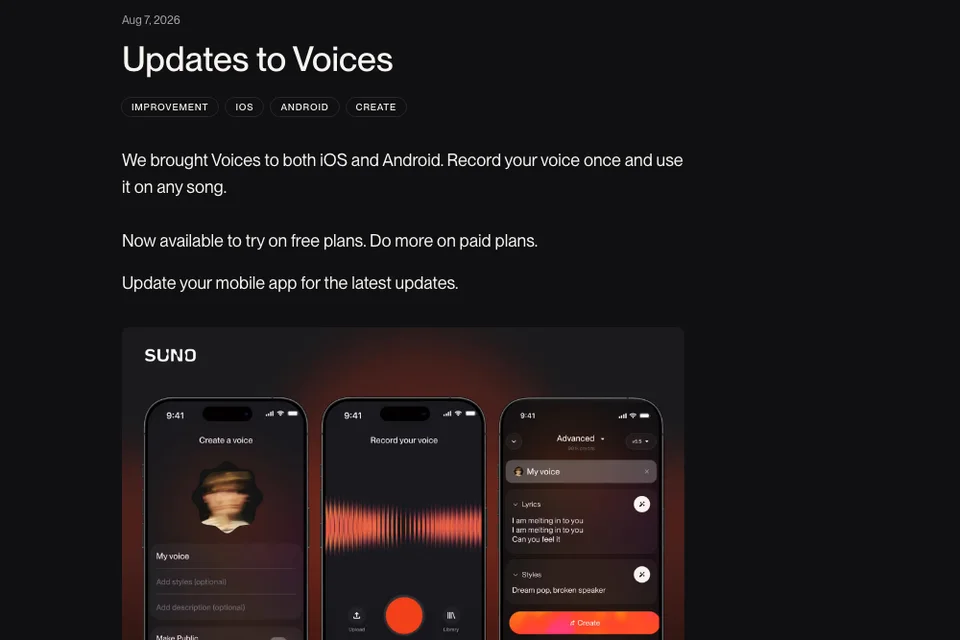
Voices can now be recorded once and reused across songs on iOS and Android, with limited access for free accounts.
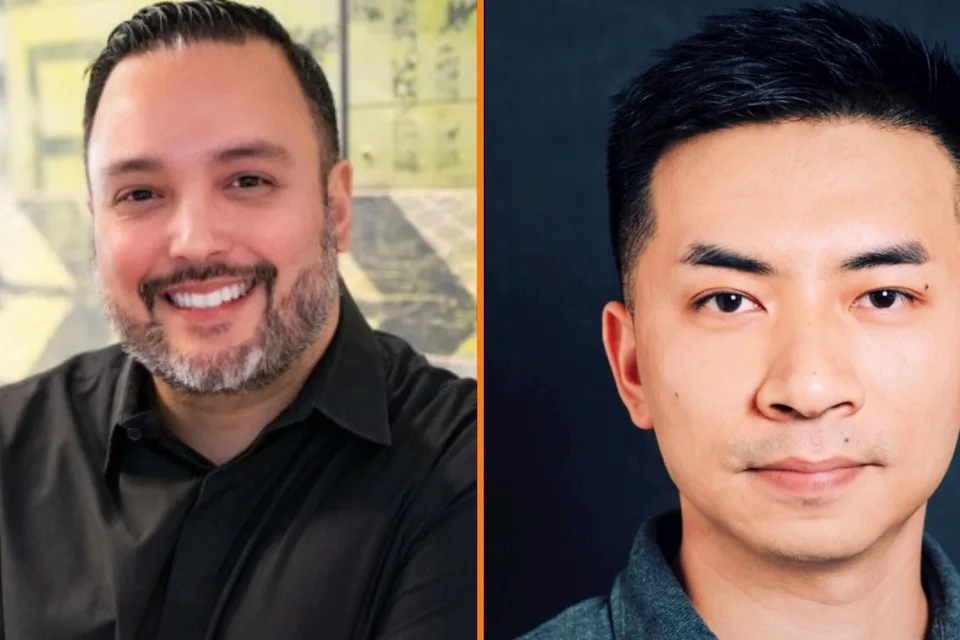
Distributor clients can now access defensive audio processing and AI-detection products from inside SymphonicMS.
The Indian label sees inexpensive generated visuals as a way to refresh recordings whose original film footage it does not own.
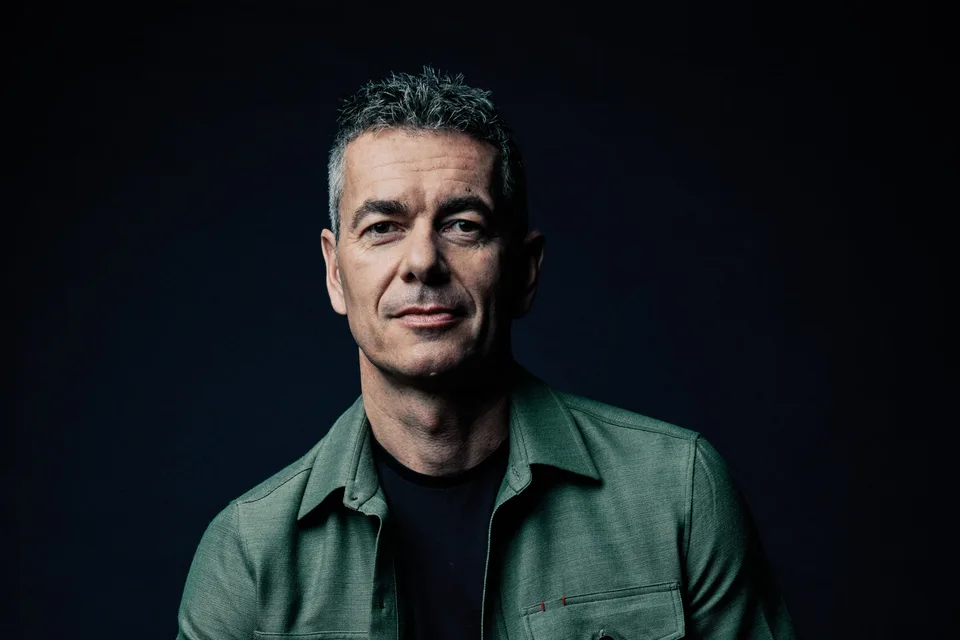
The label group is moving from lawsuits and licensing principles toward paid products with Suno, Udio, Stability AI and Klay.
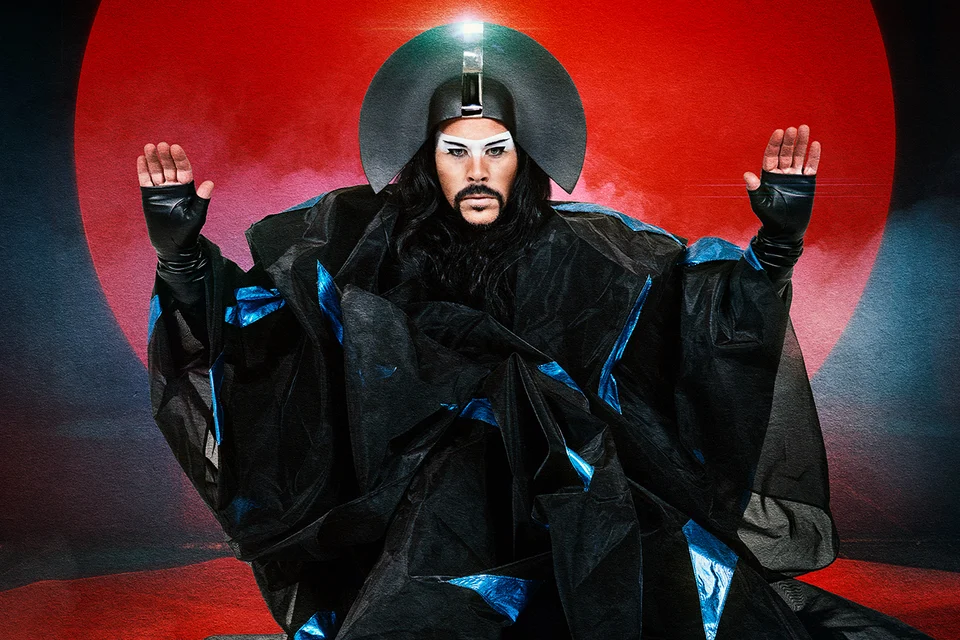
Steele says he uses AI and believes it can empower musicians. He has not identified the tools, tracks or generated elements involved.
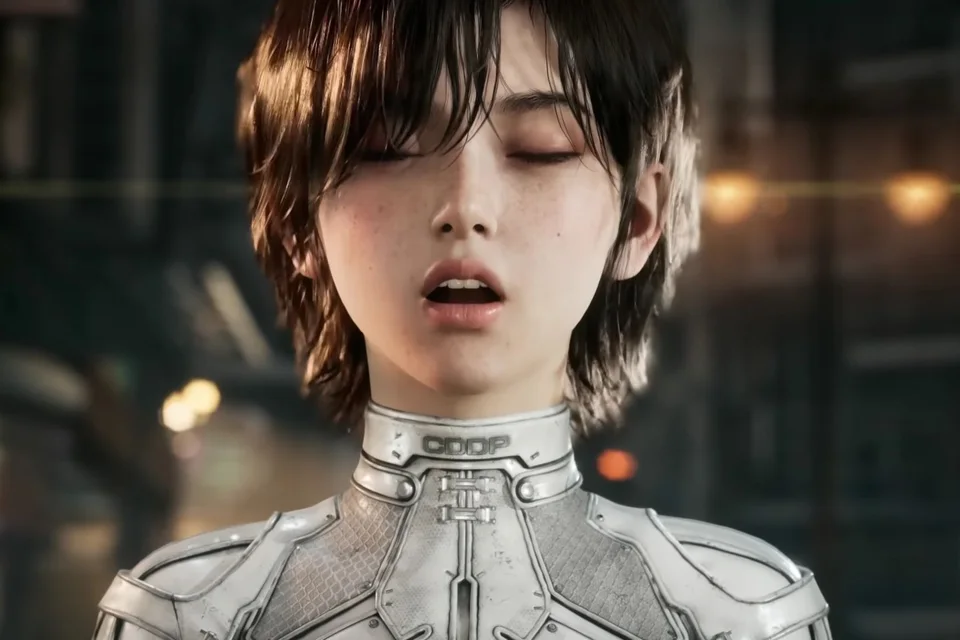
Shift Up defended the human design behind its new character. Fans were questioning why generative production replaced more human work.
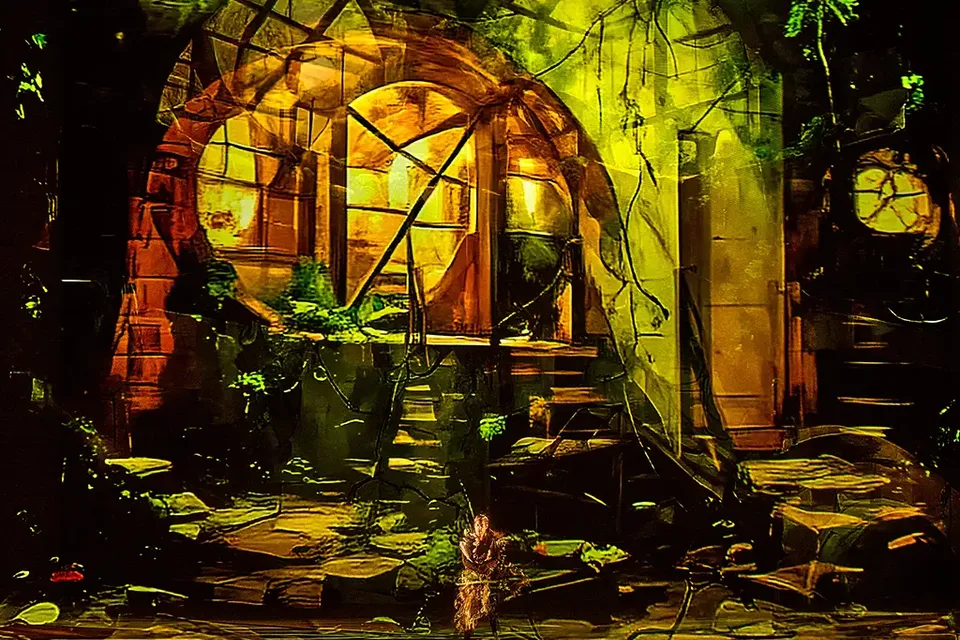
The festival used a dozen models to generate a changing visual history of Wagner’s cycle. The audience separated its reaction to the production from its response to the cast.
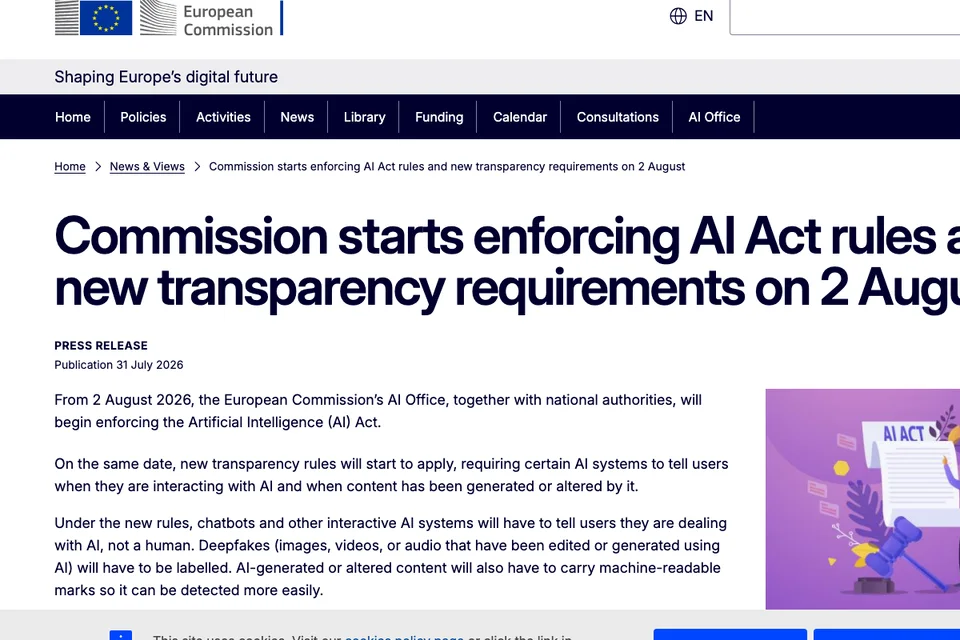
Article 50 now applies. Providers must machine-mark synthetic audio, while public disclosure depends on who deploys it and how it is used.
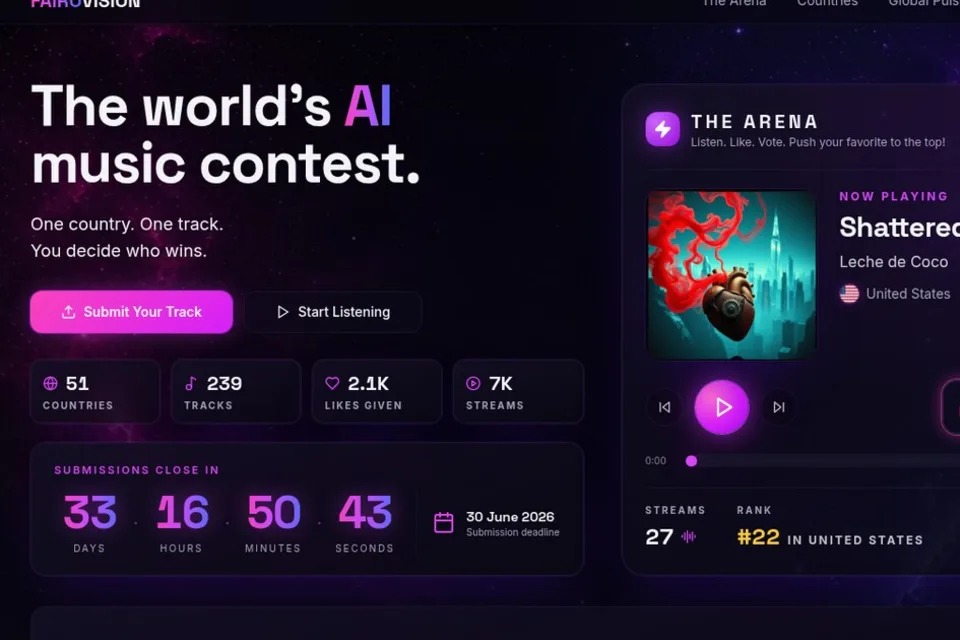
The public contest has reached its final month with one track per country. Voting remains open through August.

Paris Paloma, Peking Duk, “Weird Al,” Serge Pizzorno and Thomas Bangalter were not arguing about one technology. They were defending different parts of creative work.