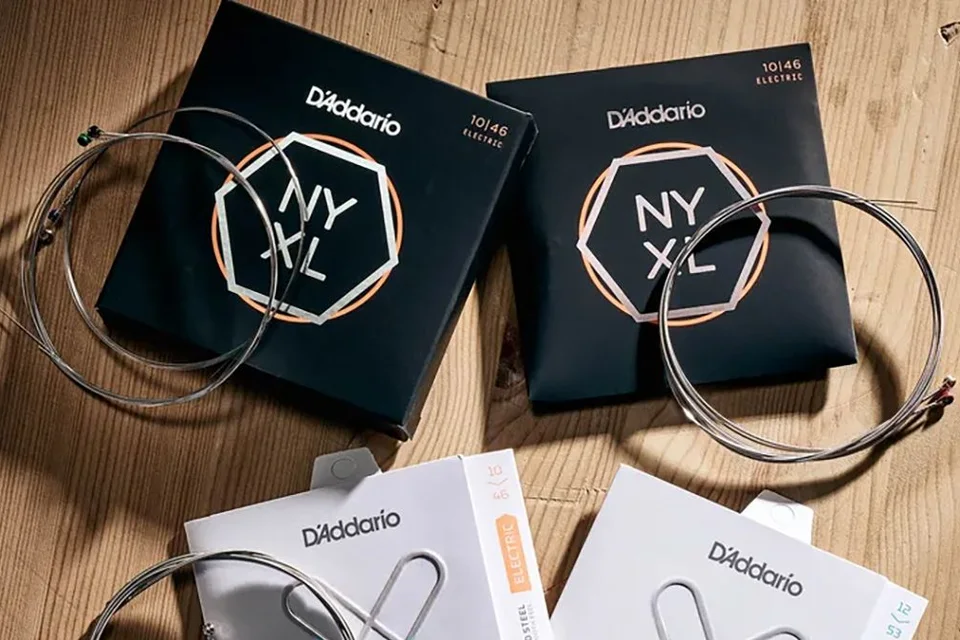
D’Addario admits Suno was used in a guitar-string demo
The company first denied generative AI was involved, then acknowledged that Suno Studio regenerated the music.

Important releases, creative work, rights decisions and industry shifts — explained clearly and linked to the original sources.
The company first denied generative AI was involved, then acknowledged that Suno Studio regenerated the music.
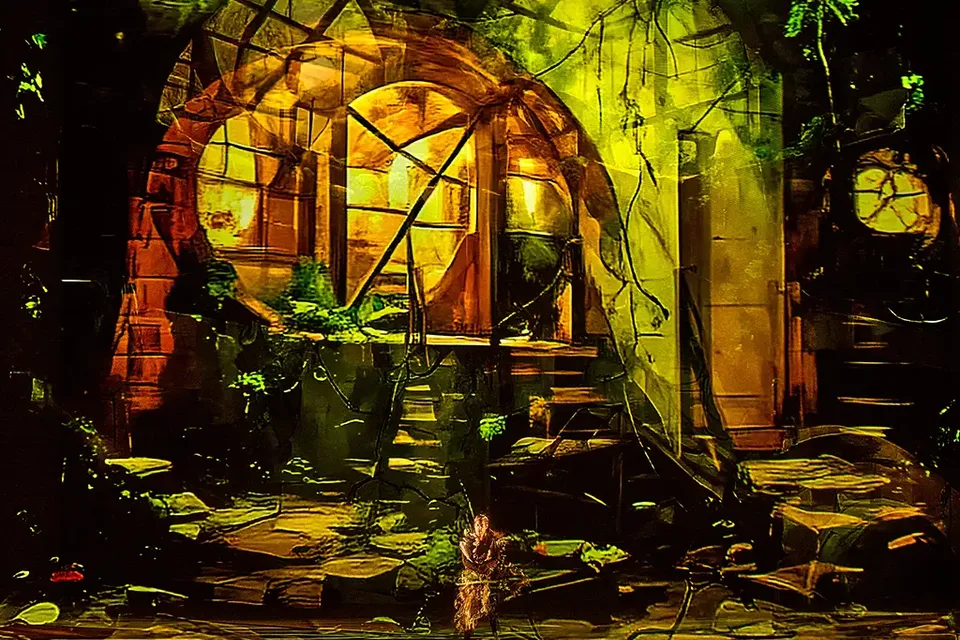
The festival used a dozen models to generate a changing visual history of Wagner’s cycle. The audience separated its reaction to the production from its response to the cast.
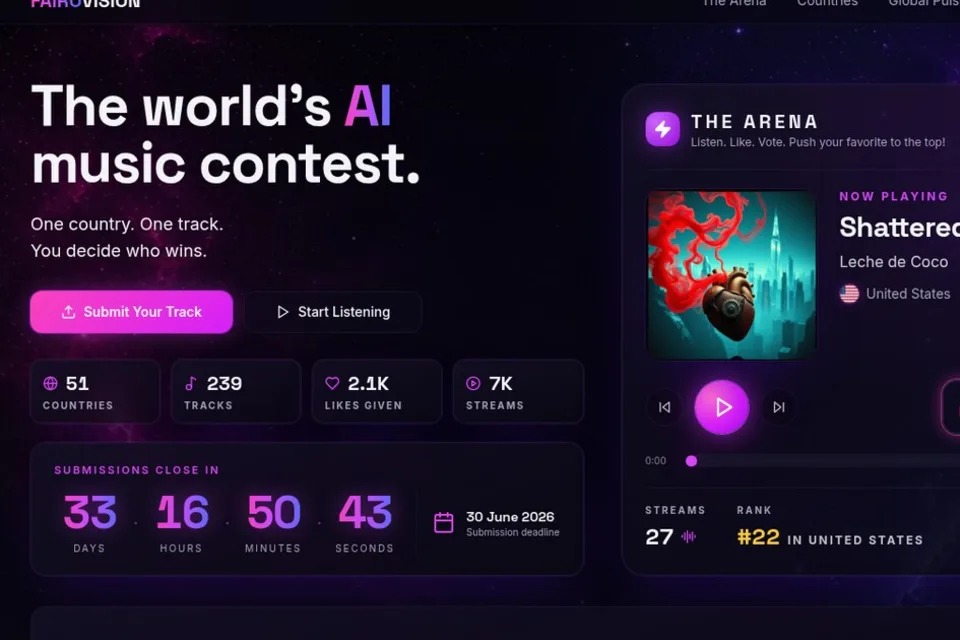
The public contest has reached its final month with one track per country. Voting remains open through August.

Paris Paloma, Peking Duk, “Weird Al,” Serge Pizzorno and Thomas Bangalter were not arguing about one technology. They were defending different parts of creative work.
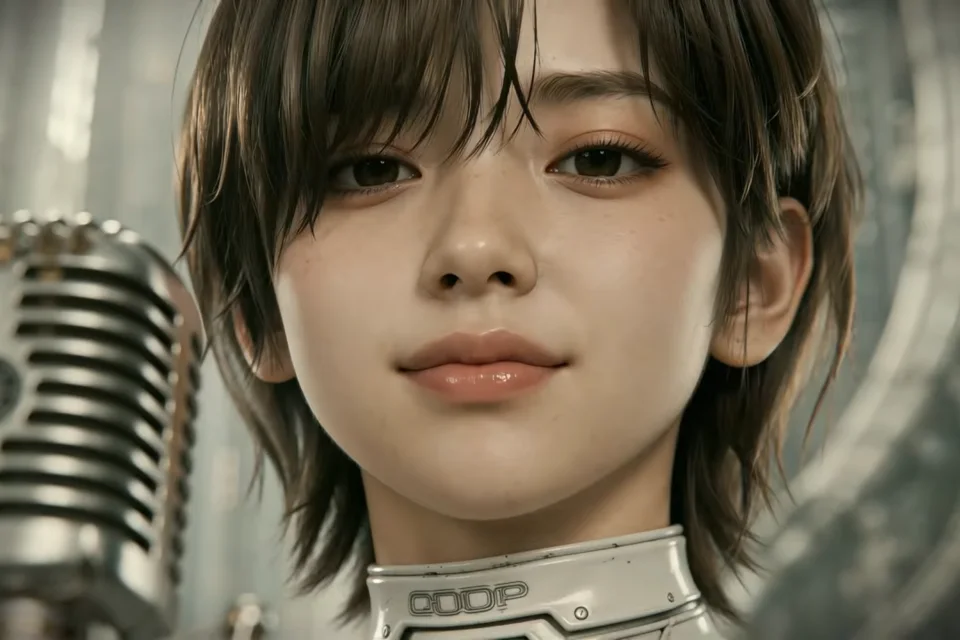
Shift Up disclosed that the Stellar Blade: Blood Rain video was regenerated with AI support, but viewers questioned why a major studio used it.
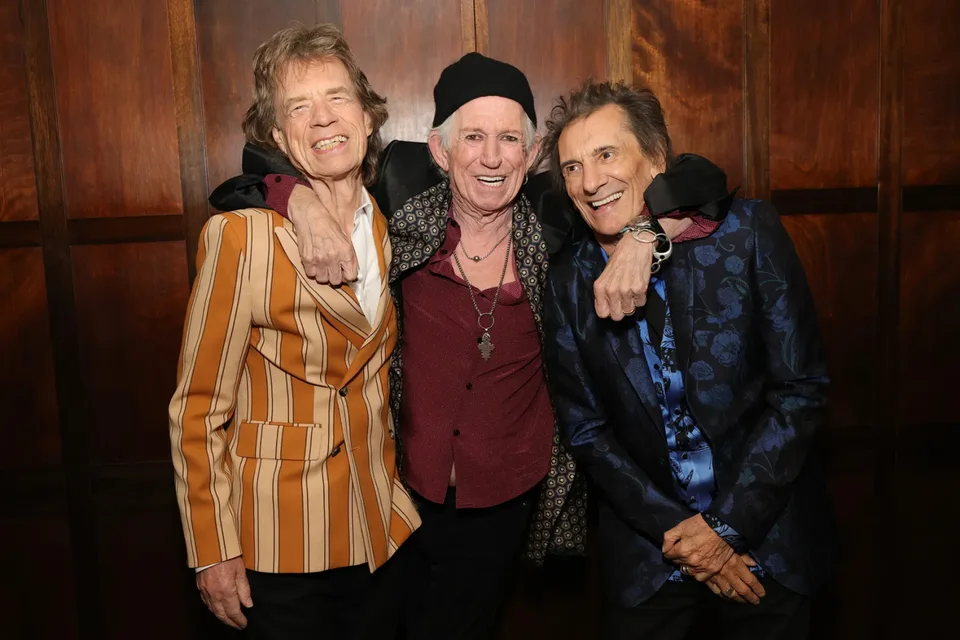
Mick Jagger and Keith Richards accept AI as a creative tool, but reject systems that manufacture a new song in their style or voice.
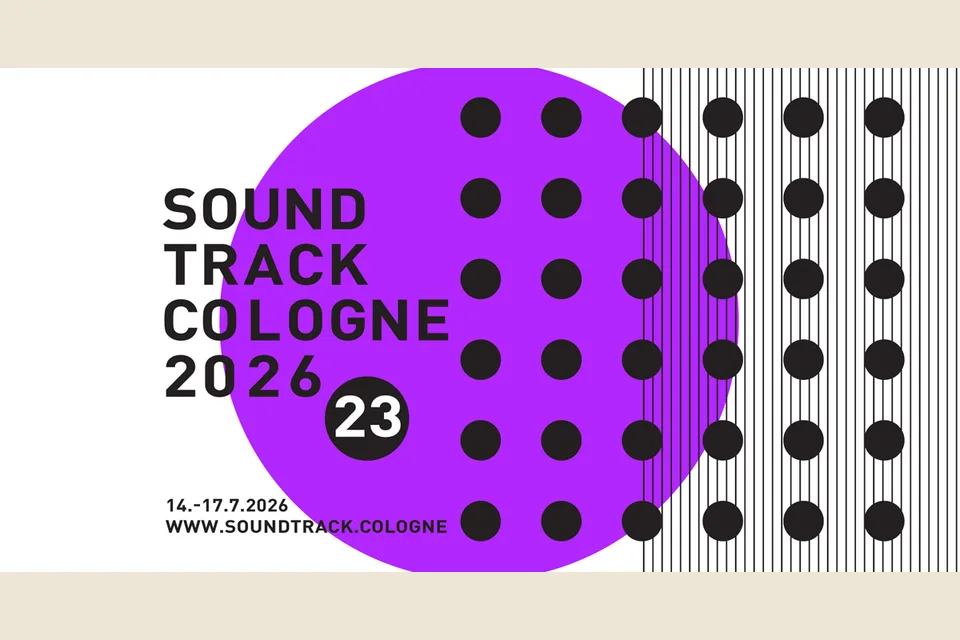
The Cologne programme put rights attribution, cultural diversity, teaching and open-source practice alongside product demonstrations.
AI.LOVE.JAZZ selected fifteen tracks for human performance during the Montreux Jazz Festival — a more interesting test than another playlist of model outputs.
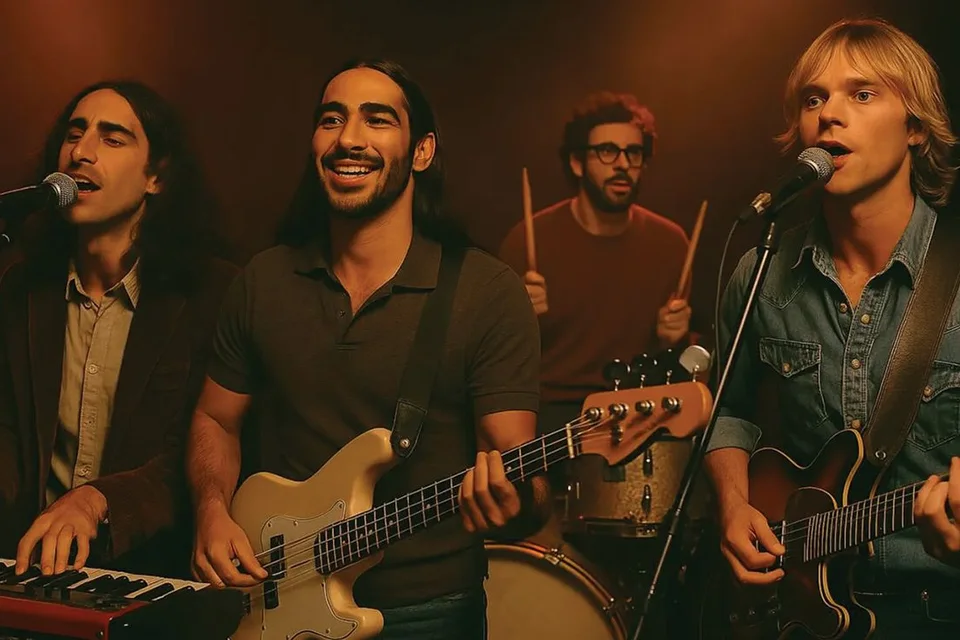
The Bootleg Velvet Sundown turns an AI-band controversy into a deliberately physical tribute act — and says its proceeds will support musicians.
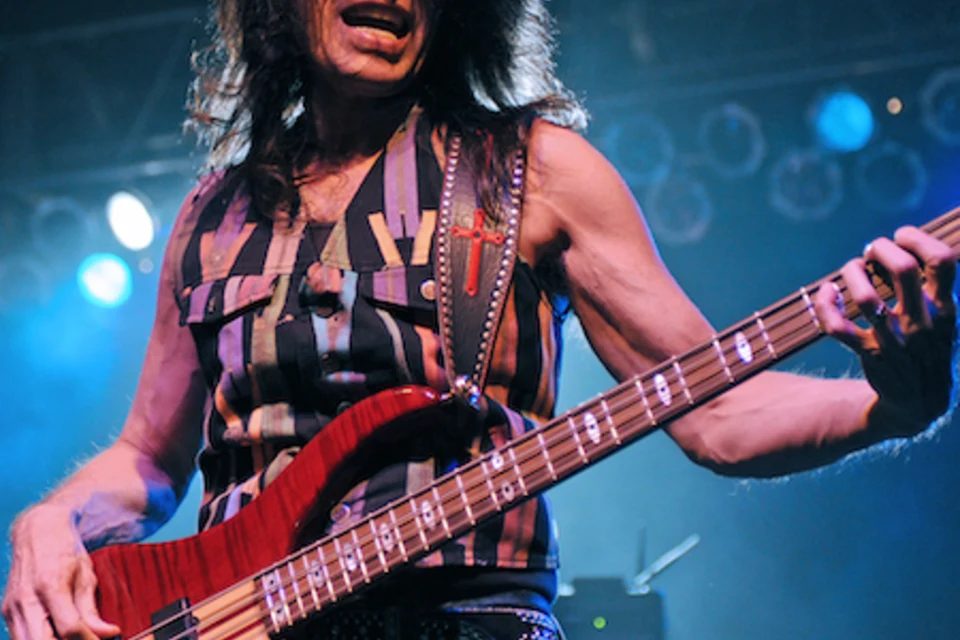
The bassist says he supplied demos and direction, then used Suno for vocals and instrumentation — a concrete example of an established musician adopting generation.
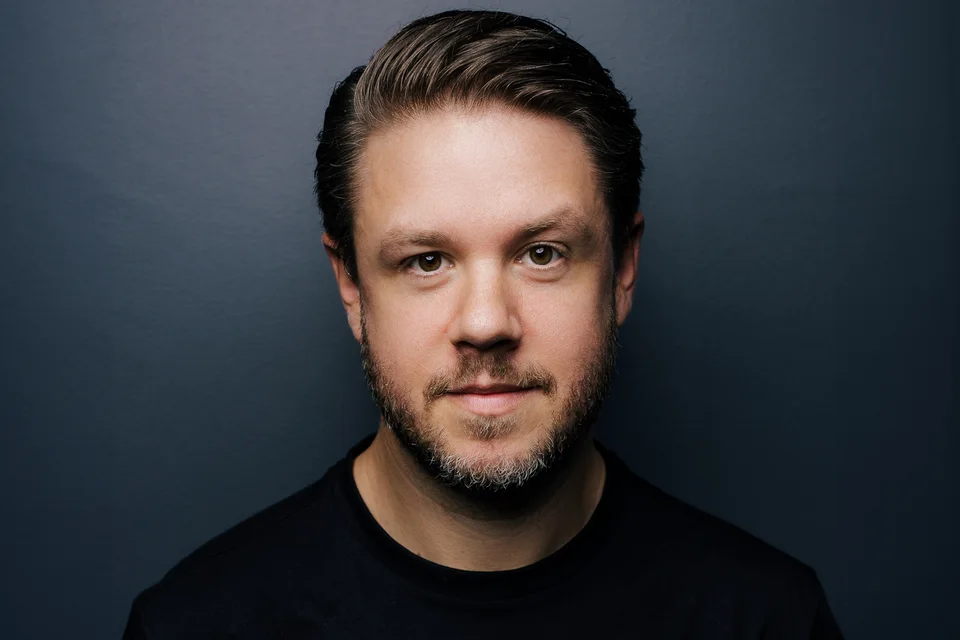
His examples range from rebuilding backing vocals to a planned duet between a singer and her five-year-old voice.

The Kappa FuturFestival performance used generative video to transform source footage in real time, rather than asking AI to replace the set.
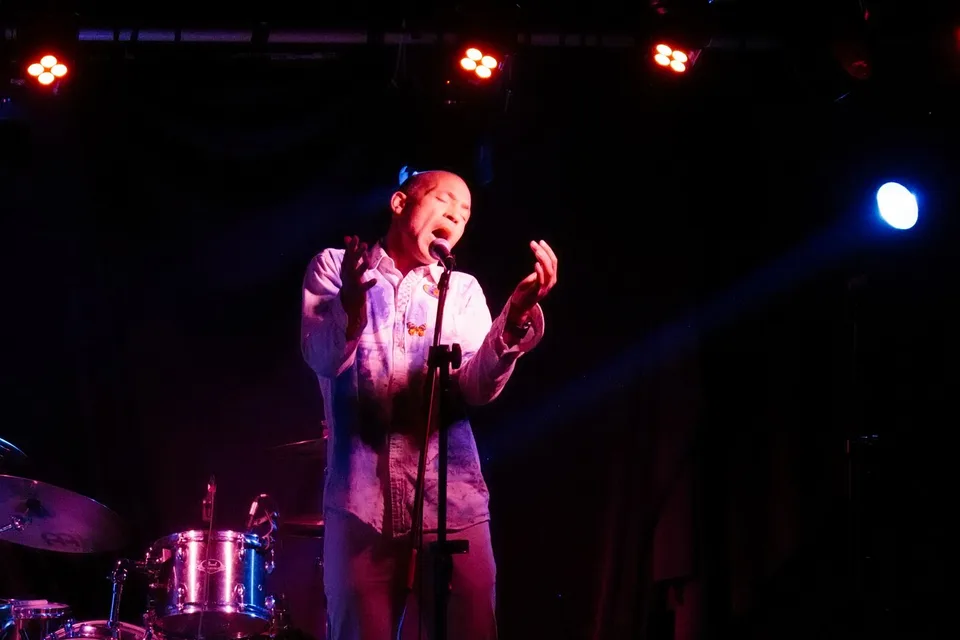
Afro Charles combined a human live singer with generated voices. The dispute exposed a practical disclosure gap for artists, bookers and audiences.